Scandinavian vs. Japandi: Discover Your Ideal Minimal Design Style
Compare two of the most popular minimal design styles and find your match.
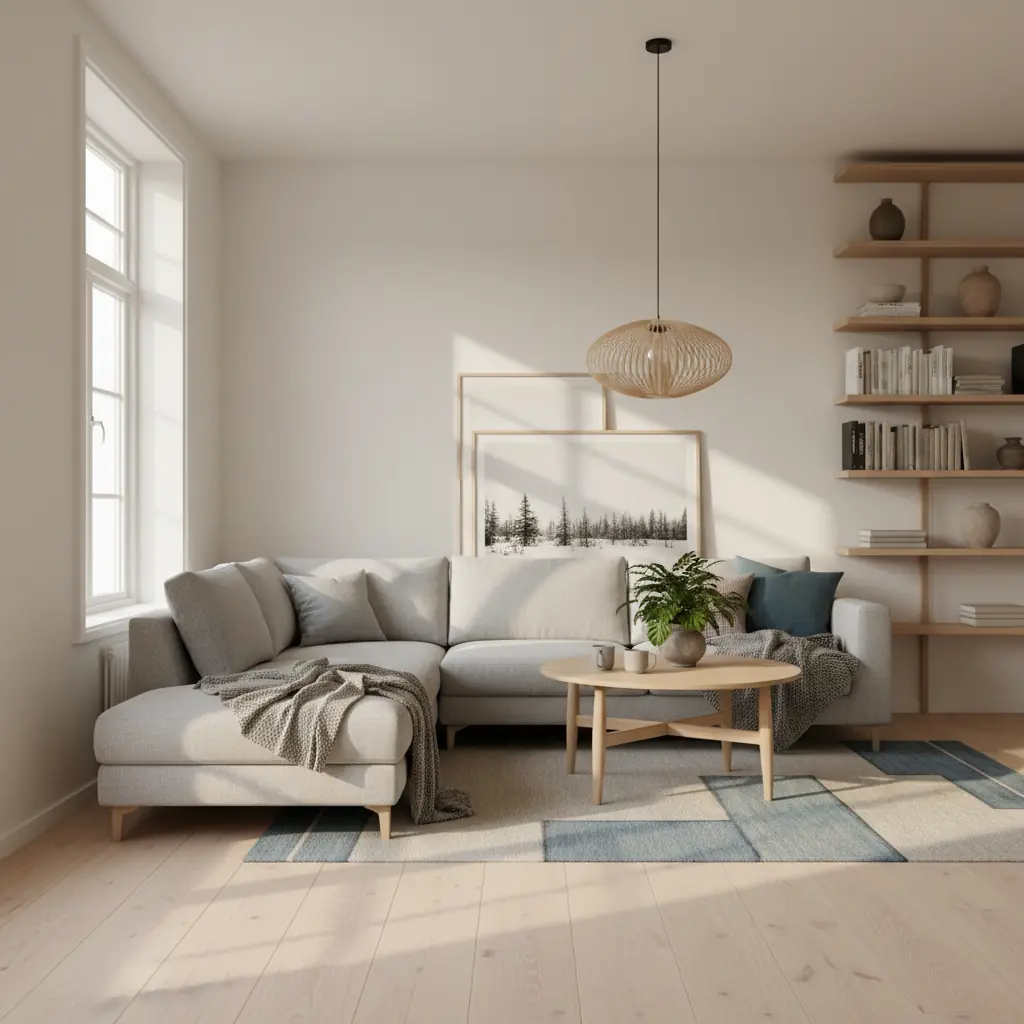
Two sides of the same minimalist coin: Scandinavian vs. Japandi
In the evolving landscape of interior design, few styles have captured the collective imagination quite like Scandinavian and Japandi. Both epitomize the modern desire for simplicity, functionality, and a deeper connection to nature and intentional living. They are more than just aesthetic choices; they represent a philosophy of life that values clarity, calm, and well-being.
At first glance, their similarities are striking: clean lines, uncluttered spaces, and an emphasis on natural materials. This shared commitment to minimalism often leads to confusion, making it challenging to discern which style truly aligns with your personal vision for a tranquil home. However, beneath this surface-level resemblance lie distinct differences in their underlying philosophies, color palettes, material selections, and overall atmospheric impact.
Understanding these nuanced distinctions is crucial. It’s not just about choosing a decor style; it’s about crafting an environment that genuinely resonates with your desired emotional landscape. Do you seek optimistic brightness and welcoming warmth, or a grounded serenity and profound introspection? Your choice between Scandinavian and Japandi will shape how your space feels, functions, and ultimately, how it supports your daily life.
Decoding the Hue: What are the color differences between Scandinavian and Japandi?
The most immediate and striking difference between Scandinavian and Japandi design lies in their approach to color and light. Both styles appreciate natural illumination, but they manipulate it in fundamentally different ways to achieve distinct moods.
### Scandinavian: The Brightness of the Nordic Sky
Scandinavian design is synonymous with light, airy spaces. Its palette is a direct response to the long, dark winters of the Nordic countries, aiming to maximize every ray of natural light. Think an optimistic blend of crisp whites, soft grays, and muted pastels like pale blues, mint greens, and dusty rose. These colors bounce light around the room, making spaces feel larger, more open, and invigorating.
Light wood tones, such as birch, ash, and pale oak, are foundational, contributing warmth without darkening the overall aesthetic. Textiles often introduce subtle patterns or delicate textures in similar light hues, reinforcing the sense of calm and expansive brightness. The overall impression is one of effortless cheerfulness, a clean canvas inviting positivity and comfort – a direct manifestation of the "hygge" concept.
### Japandi: The Depth of Earth and Shadow
Japandi, on the other hand, embraces a more grounded and contemplative color scheme. While still minimalist, it leans into deeper, richer, and often more monochromatic tones. Inspired by traditional Japanese aesthetics, it incorporates earthy neutrals: warm charcoals, rich browns, deep forest greens, muted terracotta, and sophisticated off-whites. These colors create a more intimate and serene atmosphere, encouraging introspection and quiet contemplation.
Contrast is intentionally used, but subtly. Darker wood tones like walnut, teak, or stained oak are prevalent, often paired with creamy whites or soft greys to define spaces without sharp disruptions. The inclusion of black as an accent color is common, used sparingly for depth and definition in furniture frames, art, or decorative objects. This deliberate use of shadow and depth is rooted in the Japanese philosophy of _yin and yang_, acknowledging that true beauty often emerges from the interplay of light and dark. It cultivates an atmosphere that feels deeply rooted, serene, and intentionally subdued.
What materials and textures define each minimal style?
Both Scandinavian and Japandi celebrate the beauty of natural materials, yet their choices and the way they showcase them diverge significantly, reflecting their unique cultural influences and philosophies. This difference in material selection and finish profoundly impacts the tactile and visual experience of a space.
### Scandinavian: Smoothness, Uniformity, and Functionality
Scandinavian design prioritizes functionality, durability, and accessibility, often manifesting in materials that are both robust and aesthetically clean.
- **Woods:** Light-colored woods are king. Birch, pine, ash, and light oak are favored for their pale hues and fine grains. These woods are typically treated to maintain a smooth, uniform finish, often lacquered, whitewashed, or lightly oiled to enhance their natural brightness. - **Textiles:** Softness and comfort are key. Natural fibers like wool, cotton, and linen are popular, used for throws, cushions, rugs, and upholstery. Textures are subtle – think chunky knits, crisp cottons, or soft felts. Patterns are usually simple geometric forms or plain, solid colors. - **Other Materials:** Glass, ceramics (often smooth, white, or light-colored), and sometimes polished metals (like brushed steel or chrome) are incorporated for their clean lines and reflective qualities, further contributing to the bright and airy feel.
The emphasis is on perfection in simplicity and the inherent beauty of unadorned, high-quality materials that are built to last and serve a practical purpose. This preference for natural materials is a significant draw for homeowners; a recent survey showed that **85% of homeowners prioritize natural materials in their interior design** for their perceived health and aesthetic benefits, a value central to Scandinavian design.
### Japandi: Embracing Wabi-Sabi and Raw Authenticity
Japandi design elevates the concept of natural materials by integrating the Japanese philosophy of _wabi-sabi_ – the appreciation of beauty in imperfection, transience, and natural processes. This translates into a preference for materials with character, depth, and a story.
- **Woods:** Darker, richer woods are preferred, such as walnut, teak, and often reclaimed or distressed oak. These woods may feature visible grain, knots, or even slight irregularities, celebrating their natural state. Finishes are typically matte or lightly oiled, allowing the raw texture to come through. - **Textiles:** Raw, textured, and often hand-loomed textiles are central. Linen, hemp, raw cotton, and jute are common, often in their natural, un-dyed states or deep, earthy tones. Expect to see slubs, uneven weaves, and a sense of artisanal craftsmanship. - **Other Materials:** Stone (especially rough-hewn or unpolished), concrete, bamboo, and hand-thrown ceramics with organic shapes and imperfect glazes are frequently used. The beauty lies in their tactile quality, their connection to the earth, and their unique imperfections that tell a story of creation and natural wear. Metals, if used, tend to be darker, like bronze or matte black.
This approach consciously moves away from mass-produced perfection, instead favoring unique, handcrafted pieces that convey a sense of history and soulful presence. Incorporating elements of biophilic design, which emphasizes connecting occupants to nature, is also a key feature of Japandi. You can explore this further in our [biophilic design guide](/blog/biophilic-design-guide).
What core philosophies drive Scandinavian and Japandi design?
Beyond aesthetics, the true heart of Scandinavian and Japandi lies in their guiding philosophies, which profoundly influence every design choice and the overall ambiance of a space.
### Scandinavian Philosophy: Hygge, Lagom, and Democratic Design
Scandinavian design is deeply rooted in principles that prioritize human well-being, community, and a balanced lifestyle.
- **Hygge:** This widely recognized Danish concept translates to a feeling of cozy contentment and well-being through enjoying the simple things in life. In design, this means creating warm, inviting, and comfortable spaces that foster connection and relaxation. Soft lighting, plush textiles, and comfortable seating are essential. - **Lagom:** A Swedish philosophy meaning "just the right amount" – not too much, not too little. This concept drives the minimalist aspect, encouraging conscious consumption and avoiding excess. Every item in a Scandinavian home is chosen for its purpose and beauty, contributing to an uncluttered, serene environment. - **Democratic Design:** A core tenet emphasizing beautiful, functional, and durable design that is accessible to everyone, not just the wealthy. This commitment to quality and longevity means pieces are built to last, often designed with clean lines and timeless appeal, reflecting a responsible approach to resources and consumerism.
The overall feeling in a Scandinavian home is one of optimistic calm, cheerful comfort, and practical elegance. It’s a space designed for living, for family, and for finding joy in the everyday.
### Japandi Philosophy: Wabi-Sabi, Mono no Aware, and Zen Principles
Japandi design draws heavily from ancient Japanese aesthetics and spiritual practices, particularly Zen Buddhism, cultivating a profound sense of tranquility and connection to the natural world.
- **Wabi-Sabi:** As mentioned, this is the cornerstone. It celebrates imperfection, transience, and the beauty of natural aging. It's about finding grace in cracks, appreciating the weathered patina of wood, and valuing handmade items with their inherent irregularities. It encourages letting go of the desire for flawless perfection and embracing the authentic character of objects and spaces. - **Mono no Aware:** This subtle Japanese concept speaks to the gentle melancholy and wistful appreciation for the transient nature of things. In design, it translates to an aesthetic that acknowledges the passage of time and the beauty of impermanence, often seen in the use of natural materials that age gracefully. - **Zen Principles:** The emphasis on minimalism, uncluttered spaces, and purposeful design is deeply influenced by Zen Buddhism. It aims to create environments that foster mindfulness, introspection, and a sense of peaceful order. Spaces are often designed with a strong visual balance and harmony, using negative space as a design element itself.
A Japandi home exudes a quiet solemnity, a profound sense of grounded calm, and an invitation for mindful presence. It is a space designed for reflection, for appreciating craftsmanship, and for finding beauty in simplicity and the natural cycle of life.
Furniture and Decor: Shaping Space and Function
The selection of furniture and decorative elements is where the practical application of each style's philosophy becomes most apparent, influencing both the visual appeal and the functionality of a room.
### Scandinavian Furniture: Form, Function, and Comfort
Scandinavian furniture is renowned for its clean lines, organic shapes, and unwavering commitment to functionality and comfort. Pieces are often versatile, lightweight, and designed for smaller spaces, reflecting a pragmatic approach to living.
- **Silhouettes:** Expect sleek, uncluttered forms with gently curved edges and tapered legs. Mid-century modern influences are strong, with iconic designs that prioritize ergonomics and user experience. - **Materials:** Light woods (ash, birch, pale oak) are predominant, often paired with simple upholstery in natural fibers like cotton or wool. Metals are usually polished or brushed, contributing to a clean aesthetic. - **Key Pieces:** Sofas are inviting and often low-slung, tables are minimalist, and chairs are ergonomically designed classics (think Eames, Aalto, Wegner). Storage solutions are integrated and discreet, designed to minimize clutter. - **Decor:** Decor is sparse and purposeful. Thoughtfully chosen ceramics, glass vases, soft throws, and simple artwork add warmth and personality without overwhelming the space. The emphasis is on quality over quantity.
### Japandi Furniture: Low Profile, Craftsmanship, and Essentialism
Japandi furniture shares the minimalist ethos but distinguishes itself with a greater emphasis on craftsmanship, robust forms, and a connection to the earth. Its aesthetic often leans towards lower profiles, fostering a sense of groundedness and calm.
- **Silhouettes:** While also clean-lined, Japandi furniture often features more robust forms, sometimes with sharper angles or heavier bases. Low-slung seating and beds are common, creating a closer connection to the floor and a sense of spaciousness above. - **Materials:** Darker, often reclaimed woods (walnut, teak, dark oak) are favored, highlighting their natural grain and texture. Textiles are often raw linen or hemp, adding a tactile, earthy feel. Stone or concrete elements might be incorporated into tables or benches. - **Key Pieces:** Furniture pieces are often substantial and built to last, with visible joinery and a handcrafted feel. Low-profile platform beds, solid wooden dining tables, and minimalist seating that prioritizes comfort through form rather than excessive padding are characteristic. Storage is often hidden or subtly integrated into furniture, maintaining visual serenity. - **Decor:** Decor is extremely selective and meaningful, often highlighting artisanal crafts. Hand-thrown pottery, delicate ceramic bowls, a single branch in a simple vase, or carefully selected natural fibers for throws. Each item is chosen for its intrinsic beauty and ability to evoke a quiet moment of appreciation, reflecting the aesthetic of [analog spaces and tech-free rooms](/blog/analog-spaces-tech-free-rooms).
When considering furniture, remember that furnishing a living room in a high-quality Japandi style might average **$8,000-$15,000**, reflecting the emphasis on handcrafted pieces and heirloom quality, while a comparable Scandinavian setup could range from **$6,000-$12,000**, highlighting its slightly more accessible and often mass-produced yet still high-quality design.
How does lighting differ in Scandinavian vs. Japandi design?
Lighting plays a crucial, yet distinct, role in shaping the atmosphere of both Scandinavian and Japandi interiors. It's not just about illumination but about crafting mood and accentuating design elements.
### Scandinavian Lighting: Maximizing and Diffusing Light
Given its origins in regions with limited daylight, Scandinavian design is adept at maximizing and diffusing light to create bright, cheerful, and uniformly lit spaces.
- **Natural Light:** Large windows, minimal window treatments (or light, sheer fabrics), and light-colored walls are all employed to flood rooms with natural light. - **Layered Artificial Lighting:** A hallmark of Scandinavian design is layered lighting. This includes: - **Ambient Light:** Often from ceiling fixtures, providing overall illumination. These fixtures are frequently design statements themselves, featuring organic shapes, natural materials, or minimalist forms. - **Task Lighting:** Floor lamps and table lamps provide focused light for reading or working, often with adjustable heads. - **Accent Lighting:** Smaller lamps or candles create pockets of warmth and coziness, contributing to the "hygge" feeling. - **Light Quality:** Light is typically warm, soft, and diffused to avoid harsh shadows and create an inviting glow. Lampshades are often made from natural materials or frosted glass to soften the light.
### Japandi Lighting: Purposeful Pools of Light and Shadow
Japandi lighting, influenced by traditional Japanese aesthetics, is more deliberate and sculptural, using light to highlight specific areas and create dramatic contrasts of light and shadow.
- **Natural Light:** While valued, natural light might be filtered through rice paper screens, bamboo blinds, or carefully placed architectural elements to create softer, more diffused light and interesting shadow patterns. - **Minimal Artificial Lighting:** Artificial lighting is generally more subdued and strategically placed. Instead of overall bright illumination, Japandi favors creating purposeful pools of light. - **Low-Level Lighting:** Floor lamps, table lamps, and traditional Japanese paper lanterns (Akari lamps are a classic example) are common, often casting a gentle, warm glow. - **Accentuation:** Lighting is used to highlight specific architectural features, a piece of art, or a textural wall, rather than broadly illuminating the entire room. - **Light Quality:** Light is often warmer and softer, but the interplay between light and shadow is crucial. Darker corners are not avoided; they are embraced as elements that contribute to the room's contemplative atmosphere. The focus is on creating a sense of quiet drama and peaceful retreat.
Which minimalist style is right for you? Practical considerations
Deciding between Scandinavian and Japandi isn't just about aesthetic preference; it's about aligning your living space with your lifestyle, emotional needs, and even the natural light conditions of your home.
### Choose Scandinavian if you desire:
- **An optimistic, bright, and airy atmosphere:** If you crave a home that feels uplifting, spacious, and full of natural light, Scandinavian design is your ideal match. It's perfect for counteracting smaller spaces or areas with limited natural light, as its palette actively brightens rooms. - **A family-friendly and welcoming vibe:** Scandinavian homes are inherently inviting and practical, designed for comfortable, everyday living. Its emphasis on durability and ease of maintenance makes it suitable for bustling households. - **A sense of cheerful coziness (Hygge):** If your definition of comfort involves soft textures, warm lighting, and a relaxed ambiance that encourages gathering and simple pleasures, Scandinavian will deliver. - **Versatility:** The clean lines and neutral palette of Scandinavian design make it highly adaptable. It pairs well with various accent colors and styles, allowing for easy updates over time.
This style works exceptionally well in living rooms designed for social interaction, bright kitchens that encourage culinary creativity, and children's rooms that benefit from an open, stimulating yet calm environment.
### Choose Japandi if you desire:
- **A deep sense of retreat and grounded tranquility:** If your primary goal is to create a sanctuary where you can truly unwind, meditate, and find inner peace, Japandi's contemplative atmosphere is unparalleled. - **An appreciation for craftsmanship and natural imperfection:** If you value unique, handcrafted items, celebrate the beauty of raw textures, and are drawn to objects with a story, Japandi will resonate deeply. - **A focus on mindful living and essentialism:** For those who prefer a highly curated space, where every item serves a purpose and contributes to a sense of serenity, Japandi's disciplined approach to minimalism is ideal. - **Dramatic contrast and sophisticated simplicity:** If you appreciate the interplay of light and shadow, the richness of darker tones, and a more refined, understated elegance, Japandi offers a compelling aesthetic.
Japandi excels in bedrooms designed for restful sleep and introspection, meditation rooms, serene home offices, or living spaces intended for quiet evenings and deep connection.
### Can you blend Scandinavian and Japandi? The Hybrid Approach
Absolutely! The beauty of these two styles is their shared minimalist foundation, making them excellent candidates for a hybrid "Scandipandi" approach. This fusion allows you to cherry-pick the best elements from each to create a truly unique space that caters precisely to your needs.
For instance, you might adopt the light, airy walls and overall bright ambiance of Scandinavian design but introduce Japandi elements like a dark, low-slung wooden coffee table, hand-thrown ceramic planters, or a textured raw linen throw. Conversely, a room with a Japandi-inspired earthy palette could be brightened with a few light wood accents, a plush Scandinavian rug, or a statement piece of modern Nordic lighting.
The key to a successful blend is to maintain balance and intention. Avoid overwhelming the space with too many competing elements. Instead, let one style be dominant while the other provides thoughtful accents. The overall goal remains minimalism, natural beauty, and intentional living, just tailored to your personal taste.
No matter which style or blend you're leaning towards, visualizing these changes in your actual space is invaluable. Tools like Habitas allow you to upload a photo of your room and generate design variants in both Scandinavian and Japandi styles within seconds. This rapid visualization, which takes mere moments compared to the **2-4 weeks** a traditional designer might take for conceptual renders, empowers you to confidently choose the aesthetic that truly feels like home. You can even experiment with different [AI-generated room designs to see how realistic they are](/blog/ai-generated-room-designs-realistic) before committing to any changes.
Ultimately, the best style is the one that brings you the most joy and serves your daily needs. Both Scandinavian and Japandi offer a path to a more serene and intentional home, each with its unique flavor. The decision is yours to make, guided by your intuition and the powerful visualization tools at your disposal.
Frequently Asked Questions
### What are the key differences between Scandinavian and Japandi aesthetics?
The core differences lie in their approach to color, materials, and overall mood. Scandinavian design favors light, bright, and airy spaces with a focus on whites, pale woods, and soft pastels, aiming for an optimistic and cozy feel (Hygge). Japandi, while also minimalist, uses a deeper, more grounded palette of earthy tones, darker woods, and celebrates natural imperfections (Wabi-Sabi), creating a contemplative and serene atmosphere with intentional use of shadow.
### Can I combine Scandinavian and Japandi styles in my home?
Yes, absolutely! Many designers advocate for a "Scandipandi" approach, blending elements from both styles. Their shared minimalist principles, emphasis on natural materials, and functionality make them highly compatible. You might start with a Scandinavian base (light walls, functional furniture) and introduce Japandi accents (darker wood pieces, textured ceramics, low-slung furniture) to add depth and warmth, creating a balanced and unique aesthetic.
### What are common materials used in Japandi design that differ from Scandinavian?
While both use natural materials, Japandi often incorporates darker, richer woods like walnut, teak, or reclaimed oak, often with matte or raw finishes that highlight natural grain and imperfections. It also favors highly textured textiles like raw linen or hemp, rough-hewn stone, concrete, and hand-thrown ceramics with organic, imperfect shapes, all celebrating the philosophy of _wabi-sabi_. Scandinavian, by contrast, prefers lighter woods (birch, pine, light oak) with smooth, uniform finishes and softer, often uniform textiles.
### How do Scandinavian and Japandi address clutter and organization?
Both styles are inherently minimalist and emphasize uncluttered spaces, but with slightly different nuances. Scandinavian design achieves this through highly functional furniture with integrated storage and a "less is more" approach that prioritizes essential, beautiful objects. Japandi takes this a step further, embracing a philosophy of essentialism where every item is deeply meaningful and carefully curated, often featuring hidden storage and a visual tranquility that extends to negative space, encouraging a profound sense of order and calm.
### Is one style more expensive to achieve than the other?
The cost can vary greatly depending on material quality and designer choices. Generally, both styles prioritize quality and craftsmanship. However, Japandi design, with its strong emphasis on handcrafted, artisanal pieces, reclaimed materials, and custom-built low-profile furniture, can sometimes lean towards a slightly higher investment, particularly for unique, one-of-a-kind items. Scandinavian design offers a broader range of accessible, high-quality, mass-produced pieces, which can sometimes make it more budget-friendly to achieve a cohesive look without sacrificing quality. For example, furnishing a living room in a high-quality Japandi style might average **$8,000-$15,000**, while a comparable Scandinavian setup could range from **$6,000-$12,000**.