Embrace Imperfection: Your Guide to Wabi-Sabi Home Design
Understanding wabi-sabi design philosophy and how to apply its principles of imperfection, natural aging, and honest materials to create deeply serene interiors.
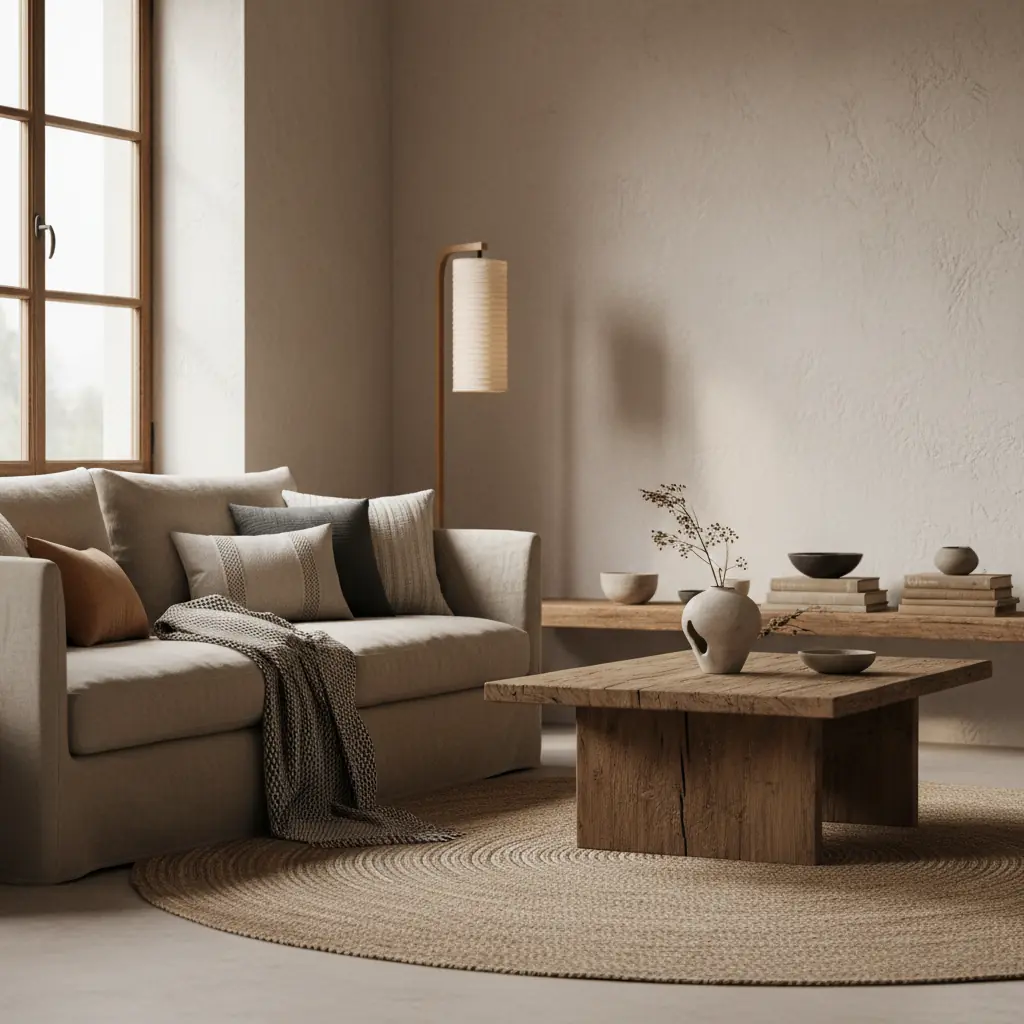
What is the core philosophy behind Wabi-Sabi design?
Wabi-sabi is more than just an aesthetic; it's a profound Japanese philosophy rooted in three core Buddhist concepts: _wabi_ (transience, rustic simplicity, quietude), _sabi_ (beauty that comes with age, wear, and natural progression), and the overarching understanding that nothing lasts, nothing is finished, and nothing is perfect. In the context of interior design, this translates into a deep appreciation for materials that age gracefully, surfaces that tell a story through wear, objects that bear the unique marks of their making, and spaces that feel intimately human rather than mass-produced.
This isn't merely a fleeting decorating trend; it’s a worldview consciously applied to our living environments. A wabi-sabi home doesn't strive for the polished, often sterile, perfection seen in a glossy magazine spread. Instead, it aspires to the quiet, unassuming beauty of a well-loved pottery cup, the comforting softness of a linen tablecloth softened by years of washing, or a wooden floor deeply ingrained with the stories of the family that walks upon it. Understanding the philosophical underpinnings is paramount before attempting to apply wabi-sabi principles, as true wabi-sabi cannot be bought or replicated instantly—it must be cultivated over time, embraced through mindful living, and seen in the honest character of objects and spaces. It asks us to slow down, observe, and find beauty in the fleeting, the flawed, and the authentic.
Wabi-Sabi vs. Minimalism: What's the Difference?
Wabi-sabi is frequently, and mistakenly, confused with minimalism, yet the two philosophies diverge significantly in their core tenets and aesthetic outcomes. Minimalism, in its essence, is about reduction: fewer objects, cleaner lines, an abundance of empty space, and a tendency towards precision, uniformity, and a cool, often stark, visual clarity. It aims for deliberate curation and removal to highlight essential forms.
Wabi-sabi, conversely, is not about having less for the sake of emptiness. It is about having objects that possess intrinsic honesty, that openly display their nature, and that evolve beautifully over time. While a wabi-sabi space might appear spare, it’s not due to a mandate for reduction but rather a preference for quality, authenticity, and pieces with soul.
Consider the following comparison: A minimalist room might feature a perfectly smooth, unblemished white wall, a machined steel table with flawless edges, and a single, geometrically perfect vase. A wabi-sabi room, on the other hand, might embrace a plaster wall with visible trowel marks and subtle tonal variations, a hand-hewn wood table displaying its natural knots and intricate grain, and an asymmetric ceramic bowl crafted by a local artisan, with an irregular glaze and slight wobbles. Both rooms might contain a similar number of objects, but the quality of attention, the tactile experience, and the underlying emotional connection are entirely different. Minimalism often _edits_ to achieve perfection; wabi-sabi _accepts_ and celebrates imperfection as an inherent part of beauty. This crucial distinction alters what you seek when selecting materials, furniture, and decorative objects. You aren't hunting for the most minimal option; you are searching for the most genuine and soulful one.
What are the essential materials for a Wabi-Sabi home?
The heart of wabi-sabi design lies in its reverence for natural, honest materials that openly reveal their process and improve with age. These aren't just elements; they are characters in the story of your home, developing a unique patina and deepening their beauty over time.
### Raw Ceramics and Pottery
Raw, unglazed ceramics are quintessential wabi-sabi. They showcase the pure texture of the clay, the subtle imprints of the maker's hands, and the organic variations that occur during firing. Each piece is unique, often bearing slight imperfections, asymmetrical forms, or an uneven finish that adds character. High-quality, artisan-made ceramics or natural linen furniture can represent a significant investment, with a hand-thrown ceramic vase costing anywhere from $50 to $500, but their lasting beauty and story are invaluable. These are objects meant to be used, not just admired, welcoming small chips or cracks as part of their evolving narrative.
### Unfinished or Patinated Wood
Wood is another cornerstone, particularly when it's unfinished, lightly oiled, or reclaimed. The goal is to let the wood's inherent beauty shine through—its grain, knots, and natural color variations. Over time, unfinished wood develops a rich patina; it darkens where hands frequently touch it and might lighten where sunlight consistently hits. Reclaimed wood, salvaged from old barns or structures, is particularly prized for its visible history, imperfections, and deep character. This approach aligns with sustainability principles, as reports indicate that up to 60% of household waste comes from discarded furniture and textiles, highlighting the value of choosing durable, timeless pieces that gain character rather than degrade.
### Natural Textiles
Natural fibers like linen, hemp, cotton, and wool are essential for their tactile qualities and how they age. Linen, in particular, is adored for its beautiful wrinkles and increasing softness with every wash. These textiles should be in their natural, unbleached, or minimally dyed states, allowing their raw texture and subtle color variations to speak for themselves. They invite touch and provide a sense of comfort and authenticity.
### Stone and Plaster
For surfaces like countertops, flooring, or walls, natural stone (such as soapstone, travertine, or unpolished marble) or lime wash plaster are ideal. Soapstone, for instance, is known to develop a magnificent patina over years of use, showing marks and subtle darkening that enhance its character rather than detract. Lime wash or mineral paints for walls create a soft, matte finish with natural tonal variations, avoiding the flat, uniform look of standard latex paints. These materials create a sense of groundedness and timelessness.
### Hand-Forged Metals
Metals, if used, should be humble and bear the marks of their creation. Hand-forged iron or aged brass, with their subtle irregularities and evolving finishes, are preferred over highly polished, machine-perfect chrome or stainless steel. The slight unevenness of a hammered surface or the evolving tarnish of brass adds to the authenticity.
The key across all these materials is durability, honesty, and the capacity to age gracefully. Imperfections are not defects to be hidden or replaced; they are evidence of a life being lived, an object being used, and a story unfolding.
Discovering the Wabi-Sabi Color Palette: Muted Earth Tones
The wabi-sabi color palette is entirely drawn from nature in its most subdued, weathered, and organic states. These are not colors selected from a bright paint fan deck; they are the hues that emerge when natural materials are left to be themselves. The overall effect is deeply calming, creating a visual quietude that allows textures, forms, and the subtle character of objects to take center stage. Studies show that incorporating natural elements and colors into living spaces can reduce stress levels by up to 15% and improve cognitive function, making wabi-sabi an ideal choice for creating a tranquil sanctuary.
Think of:
- **Warm Grays:** The color of river stones, concrete, or aged plaster. - **Soft Browns:** From dried earth, natural wood, and unbleached linen. - **Clay and Terracotta:** Earthenware tones, slightly desaturated. - **Stone and Sand:** Light, natural, sandy whites and muted beige. - **Dried Moss and Sage Green:** Subtle, desaturated greens found in nature. - **Charcoal and Muted Black:** The depth of aged metal or volcanic rock, used sparingly as accents. - **Unbleached Whites and Off-Whites:** Never stark or clinical, always with a warm, subtle undertone, often picking up ambient light beautifully.
Crucially, avoid anything bright, highly saturated, or overtly synthetic. This means no primary colors, no high-gloss finishes, and no stark, pure white that feels manufactured. Even the lightest tones in a wabi-sabi palette possess a natural warmth and slight variation, which contributes to the organic feel. If you are painting walls, seek out lime wash or mineral paint options. These traditional paints are celebrated for creating natural tonal variation and a beautiful, chalky matte finish that interacts with light in a soft, nuanced way, far removed from the flat uniformity of standard latex paints. With an AI-powered platform like Habitas, you can experiment with various textures and earth tones, visualizing how unglazed ceramics or natural linen would look in your actual space before making a purchase. Tools like an [AI color palette generator](/blog/ai-color-palette-generator) can help you explore these muted, natural combinations.
Applying Wabi-Sabi Principles, Room by Room
Integrating wabi-sabi into your home is about cultivating an atmosphere, not just decorating. Here's how to apply these principles throughout your living spaces:
### The Living Room: Comfort in Authenticity
In the living room, prioritize comfort and natural forms. Choose a sofa with natural linen slipcovers that embrace wrinkles gracefully, perhaps in an oatmeal or soft gray hue. A hand-carved wood coffee table with visible grain and subtle imperfections becomes a focal point, telling a story through its very existence. Instead of matching sets, use individual ceramic vessels—each collected over time, perhaps from different artisans—as primary decorative elements. A single, gracefully curved branch in an earthy vase can make a profound statement. Lighting should be warm, low, and diffused, utilizing linen or paper shades to cast a soft, ambient glow rather than harsh, direct light. Avoid synthetic fabrics, overly shiny surfaces, and excessive clutter. Remember, a recent survey showed that 78% of homeowners are seeking more calm and serenity in their living environments, a feeling perfectly encapsulated by wabi-sabi.
### The Bedroom: A Sanctuary of Simplicity
The wabi-sabi bedroom is a true sanctuary. The bed itself should be simple: a low-profile wood frame, ideally reclaimed or lightly finished, that grounds the space. Linen bedding in muted tones like oatmeal, soft gray, or unbleached white is essential for its tactile comfort and aged beauty. Minimize accessories; a single, sculptural branch in a ceramic vase on a nightstand speaks volumes more than a multitude of decorative objects. Natural light should be prioritized, perhaps softened by sheer linen curtains. Focus on the raw textures of a sheepskin rug on the floor or a woven wool throw on the bed. For more ideas on how to connect with nature inside, explore our [biophilic design guide](/blog/biophilic-design-guide).
### The Kitchen & Dining Area: Function Meets Form
In the kitchen, wabi-sabi celebrates the utility and beauty of everyday objects. Open shelving displays everyday ceramics, wooden utensils, and hand-blown glassware, allowing their forms and materials to be appreciated. Countertops in natural soapstone or reclaimed wood will develop a unique patina over time, each scratch and mark adding to its character. A large, hand-hewn dining table becomes the heart of the home, inviting gathering and showing the marks of countless meals shared. Avoid sleek, mass-produced cabinetry; opt for simple, unadorned wood or natural plaster finishes. The beauty here comes directly from the objects themselves—their honest form, material, and evidence of use—not from how they are meticulously arranged or hidden.
### The Bathroom: Earthy Retreat
For bathrooms, consider a natural stone vessel sink, a simple wooden stool for towels, and handmade ceramic soap dishes. Opt for unpolished tiles or lime-washed walls to maintain the muted, tactile aesthetic. Minimalist, yet authentic, storage keeps clutter at bay without resorting to overly sleek solutions. The principle remains consistent: every object should be honest about its material and purpose, and the overall space should evoke a sense of calm rather than being overly curated or ostentatious. Incorporating even a single [best plant for interior design](/blog/best-plants-for-interior-design) can elevate this natural feel.
Beyond Objects: Light, Space, and Connection
Wabi-sabi extends beyond material choices; it deeply considers the quality of light and the deliberate use of negative space. Natural light is paramount, ideally entering through unadorned windows or softened by simple, sheer linen. Shadows are not flaws but an integral part of the visual experience, adding depth and a sense of passage of time. Negative space isn't empty; it's considered and purposeful, allowing the few chosen objects to breathe and command attention. It fosters a sense of stillness and contemplation. This approach often leads to creating [analog spaces](/blog/analog-spaces-tech-free-rooms) where the focus is on presence and real-world textures.
Why Wabi-Sabi Design is More Relevant Than Ever in 2026
In a culture increasingly defined by digital perfection—filtered photos, AI-generated imagery, algorithmic curation, and the relentless pursuit of flawlessness—wabi-sabi offers a profound and necessary counterpoint. The imperfect, the handmade, and the authentically aged have become true luxuries precisely because they are rare and offer a grounding antidote to our hyper-digital lives. A hand-thrown mug in a world of machine-perfect products carries meaning that transcends its function; it embodies craftsmanship, history, and a human touch.
Wabi-sabi design also inherently aligns with burgeoning values of sustainability and conscious consumption. Choosing materials that age gracefully means replacing less, reducing waste, and lessening our environmental footprint. Valuing patina means we don't discard items merely because they show wear; instead, we cherish the stories those marks tell. Appreciating craft means supporting individual artisans and small businesses over mass production, fostering a deeper connection to the items we bring into our homes.
Furthermore, in an era of constant stimulation and overconsumption, the tranquility and meditative qualities of a wabi-sabi space offer a much-needed respite. It encourages us to find beauty in simplicity, to embrace the natural cycle of decay and renewal, and to cultivate a sense of gratitude for the present moment. While tools like Habitas can help you visualize how these principles translate to your specific rooms, using features like [AI-generated room designs realistic](/blog/ai-generated-room-designs-realistic), the deeper work of wabi-sabi is a personal practice—learning to see profound beauty where we were often taught to see flaws. Visualizing a wabi-sabi room concept with an AI tool like Habitas can take mere minutes, compared to the hours or even days required for traditional mood boards or designer consultations, making the journey to a more serene home surprisingly accessible.
Frequently Asked Questions
### Is wabi-sabi design expensive to implement?
While wabi-sabi emphasizes natural, high-quality, and often artisan-made materials, it doesn't necessarily have to be expensive. The philosophy values authenticity and the story of an object over its brand new price tag. You might invest more in a few key pieces, like a hand-carved wood table or a natural linen sofa, but balance this with affordable finds from flea markets, antique shops, or even by repurposing existing items. The focus is on quality and character, not quantity or luxury labels. Embracing DIY projects like lime-washing walls or creating your own ceramic pieces can also reduce costs while enhancing authenticity.
### Can wabi-sabi work in a modern or contemporary home?
Absolutely. Wabi-sabi is a philosophy, not a strict style. Its principles of natural materials, muted colors, and appreciation for imperfection can beautifully temper the sleekness of modern architecture. Introducing a reclaimed wood element, a rough-textured ceramic piece, or a linen textile can add warmth, soul, and a sense of grounding to a minimalist or contemporary space. The contrast between modern clean lines and wabi-sabi's organic forms can create a visually dynamic and deeply inviting environment. It's about finding harmony, not strictly adhering to one aesthetic.
### What is the best way to start decorating in a wabi-sabi style?
The best way to begin is by decluttering with intention, keeping only items that hold meaning or possess honest beauty. Then, focus on your material palette: swap out synthetic textiles for natural linen or wool, introduce a few handmade ceramic pieces, and look for furniture crafted from unfinished or reclaimed wood. Start with a neutral, earthy paint palette for your walls. Prioritize natural light and keep window treatments simple. Instead of buying many new items, focus on acquiring one or two truly authentic pieces that resonate with you, and allow the space to evolve organically. Remember, wabi-sabi is cultivated, not instantly created.
### How is wabi-sabi different from Japandi design?
While both styles draw from Japanese aesthetics and share common ground (natural materials, simplicity, muted palettes), Japandi is a fusion. It blends the rustic, imperfect warmth of wabi-sabi with the clean lines, functionality, and sometimes cooler minimalism of Scandinavian design. Japandi often has a more refined, polished feel than pure wabi-sabi, which leans further into the raw, unadorned, and visibly aged. Japandi might embrace sleek joinery and precise craftsmanship alongside natural textures, whereas wabi-sabi celebrates visible imperfections and organic forms more overtly.
### Does wabi-sabi mean my home has to look 'old' or distressed?