Decorar Apartamento com Orçamento Limitado: Seu Guia Completo para Inquilinos em 2026
Dicas práticas e ideais para inquilinos para decorar seu apartamento sem gastar muito — detalhamento de orçamento por cômodo, recomendações de lojas e truques de alto impacto.
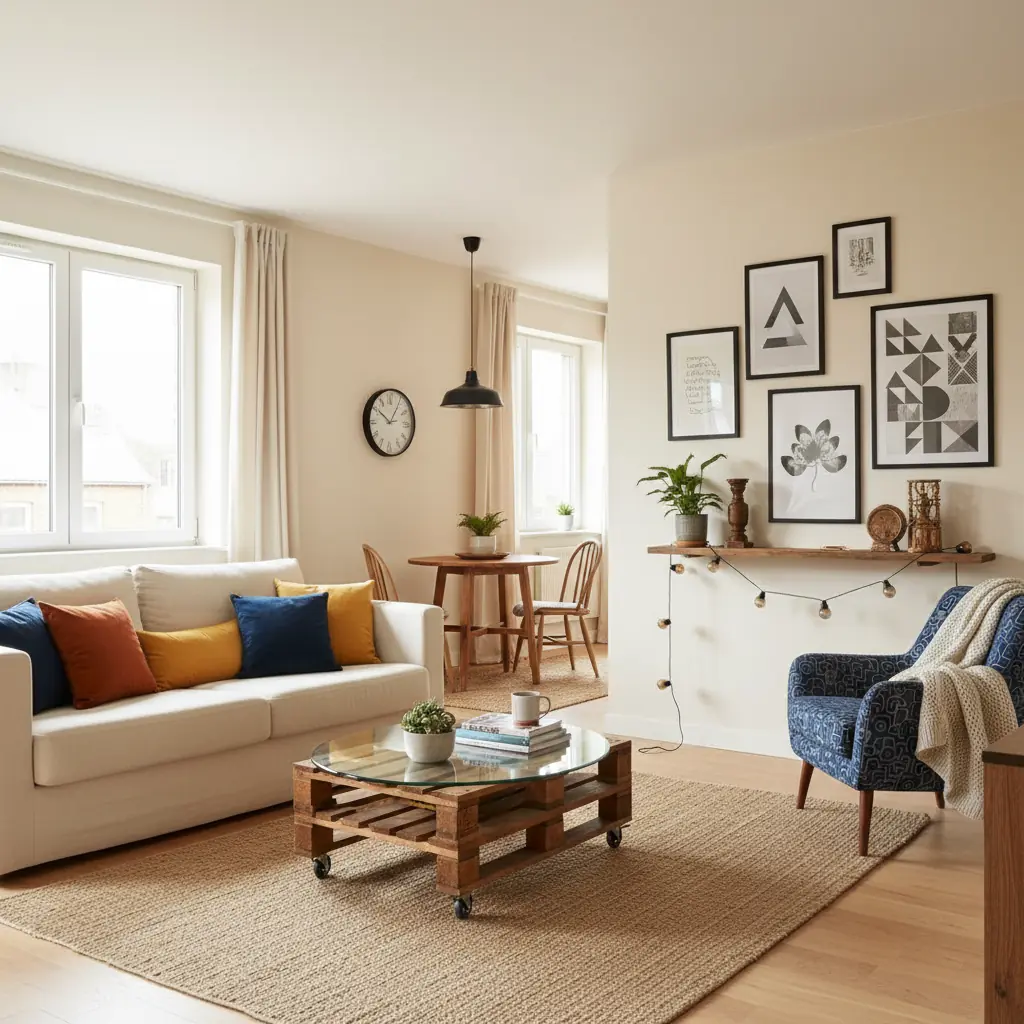
Como Decorar um Apartamento Alugado Sem Perder Seu Caução?
Antes de gastar um centavo, internalize esta verdade fundamental: cada mudança de design que você fizer em um apartamento alugado deve ser totalmente reversível sem comprometer seu caução (ou depósito de segurança). Essa restrição não é uma limitação; é um catalisador para a criatividade, impulsionando você a soluções inovadoras e impermanentes. Esqueça os dias de se resignar a um purgatório de paredes bege; com a abordagem certa e um pouco de engenhosidade, seu aluguel pode refletir seu estilo pessoal e manter o proprietário satisfeito.
Soluções amigáveis para inquilinos abundam em 2026. Pense em papel de parede removível, Command Strips de alta resistência (eles podem suportar um peso surpreendente!), adesivos de azulejo, varões de tensão versáteis e arranjos estratégicos de móveis que definem espaços sem acessórios permanentes. A beleza dessas opções é que podem ser desfeitas sem custo. Antes mesmo de pegar uma trena, documente minuciosamente a condição existente do seu apartamento com fotos e vídeos claros e com data. Isso fornece prova inegável do estado original e protege seu caução de deduções injustas. Impressionantes **30% das disputas de caução** surgem de desacordos sobre danos à propriedade, então seja proativo!
Em seguida, mude para o modo de observação. Observe quais paredes recebem bastante luz natural (perfeitas para uma obra de arte marcante ou espelhos), quais cantos parecem subutilizados (candidatos ideais para uma planta alta ou luminária de chão) e como o fluxo de pessoas acontece naturalmente pelo espaço. Um bom design, especialmente com orçamento limitado, começa com a compreensão do seu ambiente, não com compras por impulso.
Como Distribuir Seu Orçamento de Decoração de Apartamento Por Cômodo?
Se o seu orçamento total para decoração for de US$ 2.000 – um ponto de partida realista para um apartamento de um quarto bem equipado – aqui está uma alocação estratégica para alcançar o máximo impacto. As porcentagens abaixo refletem onde seu dinheiro provavelmente fará a maior diferença visual:
- **Sala de Estar: US$ 800 (40%)** Este é frequentemente o maior espaço, onde você passa a maior parte do tempo, recebe convidados e onde a primeira impressão da sua casa é formada. Invista em peças-chave que definem o conforto e o estilo do ambiente, como um tapete de qualidade, iluminação em camadas e almofadas confortáveis. - **Quarto: US$ 500 (25%)** Seu santuário merece conforto. Priorize roupas de cama excelentes (lençóis, edredom, travesseiros), iluminação suave e talvez uma cabeceira elegante que possa ser autônoma ou fixada com Command Strips. - **Cozinha/Jantar: US$ 400 (20%)** Pequenas e ponderadas mudanças aqui podem ter um impacto desproporcional na funcionalidade e na estética. Pense em revestimentos adesivos para backsplash, iluminação aprimorada e soluções inteligentes de armazenamento. - **Banheiro: US$ 200 (10%)** Concentre-se em acessórios e têxteis: uma nova cortina de chuveiro, tapete de banheiro, toalhas de mão e armazenamento inteligente. Isso eleva imediatamente o espaço. - **Entrada: US$ 100 (5%)** Frequentemente negligenciada, uma entrada bem definida, mesmo que pequena, cria uma primeira impressão acolhedora. Um simples cabideiro, um pequeno espelho e um capacho resistente podem transformar uma parede nua em uma zona de desembarque funcional e estilosa.
Se seu orçamento for mais apertado, digamos, US$ 500 no total, concentre-se exclusivamente na sala de estar e no quarto. Priorize o impacto por dólar em vez de completar cada cômodo. Por exemplo, um conjunto de almofadas coordenadas de US$ 150, uma luminária de chão moderna de US$ 50 e um conjunto de cortinas blackout de US$ 30 podem transformar uma sala de estar muito mais do que qualquer peça única de mobiliário barato. No quarto, roupas de cama novas e de alta qualidade (US$ 100-US$ 150) elevam instantaneamente toda a sensação do ambiente.
Antes de fazer qualquer compra, visualize suas escolhas. Carregue uma foto do seu espaço atual em uma ferramenta de IA como a Habitas. Experimente vários estilos de design, paletas de cores e arranjos de móveis. Essa abordagem ajuda você a identificar quais mudanças específicas (por exemplo, um tapete específico, uma luminária em particular ou uma nova cor de parede via papel de parede removível) criarão o maior impacto visual. Isso evita o erro de orçamento mais comum: comprar itens que parecem ótimos individualmente, mas não harmonizam, resultando em dinheiro desperdiçado. Você pode até explorar [soluções de arranjo de móveis com IA](/blog/ai-furniture-arrangement-tool) para testar layouts antes de se comprometer.
Onde Encontrar os Melhores Móveis e Decoração Acessíveis para Apartamentos?
Navegar pelo mundo da decoração de casa acessível em 2026 exige um olhar atento e compras estratégicas. Aqui está um resumo dos melhores recursos:
**Móveis e Decoração Novos:**
- **IKEA:** Continua sendo a campeã em móveis de apartamento acessíveis e bem projetados. Concentre-se em suas soluções de armazenamento modular (prateleiras KALLAX, estantes BILLY), iluminação versátil (luminárias de trabalho TERTIAL, luminárias de chão HEKTAR) e têxteis (cortinas, mantas, roupas de cama). Evite as cômodas mais baratas de aglomerado, se a durabilidade for uma preocupação, pois raramente sobrevivem a uma mudança. Explore os "IKEA hacks" online para personalizar peças padrão. - **Wayfair:** Conhecida por sua vasta seleção e vendas frequentes. Suas promoções "Way Day" (geralmente em abril e outubro) oferecem grandes descontos, frequentemente de 50-70% em peças de qualidade. Certifique-se de ler as avaliações e filtrar por fotos de clientes para avaliar a qualidade real do produto. - **Target (Threshold & Studio McGee):** Estas linhas consistentemente superam seu ponto de preço em decoração, móveis menores e acessórios. Elas se destacam por oferecer estéticas em alta a preços acessíveis. Suas coleções sazonais são particularmente fortes para renovar seu espaço sem um grande investimento. - **Amazon (Basics, Warehouse Deals):** Para itens essenciais como prateleiras básicas, iluminação e itens organizacionais, a Amazon Basics oferece soluções confiáveis e sem frescuras. As ofertas da Amazon Warehouse podem ser uma mina de ouro para itens com embalagem aberta ou levemente usados com descontos significativos.
**Achados de Segunda Mão e Vintage:**
- **Facebook Marketplace & Craigslist:** São recursos incomparáveis em áreas metropolitanas. Pessoas que se mudam de apartamentos frequentemente vendem móveis, obras de arte e decoração quase novos com 60-80% de desconto do preço de varejo. Para melhores resultados, pesquise por itens específicos (por exemplo, "cômoda modernista de meados do século", "poltrona de veludo") em vez de apenas navegar. Esteja preparado para retirar os itens rapidamente. - **Vendas de Garagem (Estate Sales):** Verifique EstateSales.net para anúncios locais. Estas são frequentemente armas secretas para encontrar móveis de destaque de alta qualidade, arte única e itens decorativos a preços de brechó. Chegue cedo para a melhor seleção. - **Habitat for Humanity ReStores:** Essas lojas sem fins lucrativos vendem materiais de construção, eletrodomésticos e móveis doados com grandes descontos. O estoque varia muito, mas pode incluir peças de madeira maciça perfeitas para um "glow-up" DIY. - **Brechós (Goodwill, Salvation Army):** Paciência é fundamental aqui, mas você pode encontrar joias escondidas como vasos de cerâmica, molduras vintage e têxteis únicos. Não tenha medo de pequenas imperfeições; um pouco de tinta ou limpador de tecido pode fazer uma grande diferença. **Mais de 60% da Geração Z e Millennials** relatam comprar móveis de segunda mão, refletindo uma tendência crescente em direção a uma decoração sustentável e econômica.
**Liquidação Online e Arte:**
- **Overstock & Houzz:** Semelhantes ao Wayfair, esses varejistas oferecem uma ampla seleção com vendas frequentes. Verifique suas seções de liquidação e ofertas relâmpago regularmente. - **Liquidação CB2 & West Elm:** Muitos varejistas de alto padrão vendem itens da estação passada ou devolvidos com 40-60% de desconto. A qualidade é idêntica à de seus itens de preço integral, apenas o ciclo da tendência avançou. É uma maneira fantástica de introduzir algumas peças de alta qualidade. - **Arte (Society6, Desenio, Etsy):** Para arte de parede acessível e impactante, essas plataformas oferecem impressões de qualidade por US$ 15-US$ 40. Emoldure-as de forma acessível com as molduras RIBBA da IKEA (abaixo de US$ 30) ou encontre molduras vintage em brechós. Você também pode usar um [gerador de paleta de cores com IA](/blog/ai-color-palette-generator) para garantir que suas escolhas de arte complementem perfeitamente o esquema do seu quarto.
Por Que a Iluminação é a Mudança de Decoração com Maior Impacto no Orçamento?
A maioria dos apartamentos alugados vem equipada com uma iluminação de teto abismal – luminárias de teto duras e planas (muitas vezes chamadas de "boob lights") que fazem cada cômodo parecer um escritório ou uma sala de cirurgia. A única mudança de orçamento mais impactante que você pode fazer é adicionar iluminação em camadas. Isso transforma instantaneamente o clima e a funcionalidade de qualquer espaço.
Por menos de US$ 150, você pode transformar completamente o ambiente de um cômodo:
- **Uma Luminária de Chão (US$ 40-US$ 80):** Proporciona luz ambiente, frequentemente difundindo para cima ou para fora. - **Um Abajur (US$ 25-US$ 50):** Oferece iluminação de tarefa e adiciona um brilho quente ao nível dos olhos. - **Um Conjunto de Lâmpadas LED Quentes (US$ 12):** Crucial para definir o tom certo.
A diferença imediata é surpreendente. Trocar todas as lâmpadas do seu apartamento por LEDs brancos quentes de 2700K (não as lâmpadas estéreis de 5000K "luz do dia") custa cerca de US$ 20 e proporciona uma transformação instantânea e calmante. Pesquisas indicam que **iluminação quente e regulável pode melhorar o humor em até 20%** e reduzir a fadiga ocular em comparação com a iluminação de teto agressiva.
Para um ambiente adicional, considere fitas de LED (US$ 15-US$ 25) colocadas atrás de uma TV, ao longo da parte de trás de uma estante ou sob os armários. Elas adicionam profundidade e um brilho moderno sem exigir nenhuma instalação. Luzes de corda estilo Edison (US$ 20-US$ 35) não são apenas para dormitórios ou pátios; penduradas em ganchos Command-strip, elas podem criar um efeito de dossel quente e convidativo em um quarto ou definir um canto de leitura aconchegante.
Se o seu contrato de aluguel permitir e você se sentir confortável com DIY básico, trocar as luminárias padrão do construtor pode ser incrivelmente recompensador. Uma luminária pendente simples e elegante (US$ 30-US$ 60) pode substituir uma luminária de teto embutida pouco atraente em minutos com apenas uma chave de fenda. Lembre-se de guardar a luminária original em um armário e trocá-la de volta quando você se mudar para manter seu depósito intacto. Você pode ver várias transformações de [design de interiores com IA antes e depois](/blog/ai-interior-design-before-and-after) que destacam o efeito dramático da iluminação aprimorada.
Papel de Parede Removível e Azulejos Adesivos São Realmente Amigáveis para Inquilinos?
Em 2026, o papel de parede removível evoluiu muito além de suas primeiras e muitas vezes decepcionantes iterações. Marcas como Tempaper, Chasing Paper e Spoonflower agora oferecem opções "peel-and-stick" (descasque e cole) que são virtualmente indistinguíveis do papel de parede tradicional em termos de textura e qualidade de design. São geralmente fáceis de aplicar e, crucialmente, descolam-se sem danificar as paredes ou deixar resíduos pegajosos.
Uma parede de destaque geralmente custa US$ 50-US$ 120, dependendo do padrão e do tamanho da parede. Concentre-se em criar uma parede de destaque por cômodo – geralmente atrás do sofá na sala de estar, na cabeceira do quarto ou em uma parede focal na área de jantar. Isso cria um elemento de design de alto impacto sem sobrecarregar o espaço ou seu orçamento. Considere explorar os [melhores estilos de design de interiores para 2026](/blog/best-interior-design-styles-2026) para encontrar padrões que se alinhem às tendências atuais.
Os azulejos adesivos para backsplash (US$ 30-US$ 80 para um backsplash de cozinha padrão) são o melhor amigo de um inquilino para cobrir paredes de gesso datadas ou nuas na cozinha ou no banheiro. Eles oferecem o visual de azulejo real sem o rejunte, a sujeira ou a permanência. Da mesma forma, os azulejos de chão adesivos podem cobrir efetivamente linóleo feio em um banheiro ou cozinha por US$ 50-US$ 150. Embora possam parecer incrivelmente profissionais, a instalação exige paciência e precisão para garantir linhas limpas e uma aparência perfeita. Para bancadas ou prateleiras, considere papel de contato adesivo de alta qualidade que imita mármore, madeira ou cores sólidas, atualizando instantaneamente as superfícies. Sempre teste uma pequena área discreta primeiro para garantir uma remoção limpa.
Quais Mudanças na Decoração Oferecem o Melhor Impacto Por Dólar?
Tendo guiado inúmeros moradores de apartamentos através de transformações, a hierarquia de impacto por dólar é cristalina. Esta estrutura ajuda a priorizar seus gastos para obter os resultados mais notáveis:
**Nível 1: Maior Impacto, Menor Custo** Essas mudanças alteram fundamentalmente a sensação de um cômodo com um investimento mínimo.
- **Mudanças na Iluminação:** A iluminação em camadas (luminárias de chão, abajures, lâmpadas LED quentes) cria um ambiente instantaneamente. - **Parede de Destaque:** Papel de parede removível ou uma cor de tinta ousada (se permitido e facilmente reversível) em uma parede adiciona profundidade e personalidade. - **Cortinas Novas:** Substitua persianas frágeis por cortinas estilosas e longas. Elas adicionam textura, controlam a luz e fazem as janelas parecerem maiores. - **Tapete de Área de Qualidade:** Um tapete ancora um espaço, adiciona calor, define zonas e introduz cor/padrão. É frequentemente o item mais impactante em uma sala de estar.
**Nível 2: Impacto Médio, Custo Moderado** Uma vez que o Nível 1 é abordado, esses itens adicionam conforto e personalização.
- **Almofadas Decorativas e Mantas:** São excelentes para introduzir cor, textura e conforto. Também são fáceis de trocar sazonalmente ou quando seu estilo evolui. - **Arte de Parede ou Gallery Wall:** A arte personalizada traz caráter. Misture impressões de alta qualidade com fotos pessoais ou peças de brechó para um visual eclético. Considere uma paleta coesa de [melhores cores de tinta 2026](/blog/best-paint-colors-2026) para unir uma "gallery wall". - **Plantas (Reais ou Falsas de Alta Qualidade):** Introduza vida e elementos naturais. Mesmo algumas plantas bem colocadas podem melhorar dramaticamente a estética de um cômodo. - **Roupas de Cama Novas:** Uma capa de edredom, lençóis e travesseiros novos elevam seu quarto a um verdadeiro santuário.
**Nível 3: Impacto Significativo, Custo Mais Elevado** Estes envolvem investimentos mais substanciais e são melhor realizados _depois_ que os Níveis 1 e 2 forem otimizados.
- **Substituição Estratégica de Móveis:** Em vez de um conjunto de sala totalmente novo, considere substituir uma peça desatualizada – talvez uma mesa de centro gasta por uma moderna, ou adicionar uma poltrona de destaque elegante. - **Prateleiras e Armazenamento:** Prateleiras abertas ou unidades de armazenamento elegantes (como KALLAX da IKEA) podem tanto organizar quanto exibir a decoração. - **Troca de Ferragens:** Substituir puxadores de armário ou maçanetas genéricas por opções mais estilosas pode atualizar uma cozinha ou banheiro sem compromisso permanente (apenas guarde os originais!).
O erro mais comum que decoradores com orçamento limitado cometem é pular direto para o Nível 3 – comprar um sofá ou estrutura de cama novo e caro – antes de abordar elementos fundamentais como iluminação ou textura. Um sofá de US$ 400 em um cômodo com iluminação em camadas quente, uma parede de destaque e têxteis coordenados sempre parecerá mais convidativo e caro do que um sofá de US$ 2.000 sob uma lâmpada de teto nua em uma caixa branca. Siga os níveis em ordem e pare quando estiver satisfeito. Você não precisa completar todos os níveis para ter um espaço que pareça pessoal, confortável e verdadeiramente como um lar. Lembre-se, **casas decoradas para venda, mesmo que decoradas pelo próprio morador, vendem 25% mais rápido em média**, um testemunho do poder do design cuidadoso na percepção.
Perguntas Frequentes
### Como posso decorar meu apartamento sem perder meu caução?
Concentre-se em mudanças reversíveis. Use Command Strips em vez de pregos, papel de parede ou azulejos adesivos removíveis, varões de tensão para cortinas e móveis autônomos. Evite alterações permanentes como pintar paredes (a menos que explicitamente permitido e você se comprometa a repintar para a cor original), fazer grandes furos ou remover acessórios sem a aprovação do proprietário. Sempre documente a condição do apartamento com fotos e vídeos antes de se mudar.
### Quais são as melhores lojas para decoração de apartamento acessível?
Para itens novos, IKEA, Target (especialmente suas linhas Threshold e Studio McGee) e Wayfair (durante as vendas) são as principais escolhas. Para tesouros de segunda mão, explore o Facebook Marketplace, Craigslist, vendas de garagem locais (EstateSales.net) e Habitat for Humanity ReStores. Online, verifique as ofertas da Amazon Warehouse e as seções de liquidação de varejistas de alto padrão como CB2 e West Elm para descontos.
### Quanto devo orçar para decorar um apartamento?
Um orçamento realista para um apartamento de um quarto pode variar de US$ 500 para mudanças essenciais de alto impacto a US$ 2.000 para uma reforma mais abrangente. Aloque os fundos estrategicamente: priorize a sala de estar (40% do orçamento) e o quarto (25%), depois cozinha/jantar (20%), banheiro (10%) e entrada (5%). Para orçamentos mais apertados, concentre-se inteiramente na sala de estar e no quarto para obter o máximo impacto por dólar.
### A IA pode me ajudar a decorar meu apartamento alugado com um orçamento limitado?
Sim, plataformas de IA como a Habitas são incrivelmente valiosas para decorar com orçamento limitado. Você pode carregar fotos do seu espaço real e experimentar vários estilos de design, layouts de móveis, paletas de cores e itens de decoração virtualmente antes de comprar qualquer coisa. Isso ajuda você a visualizar o impacto das mudanças, evita erros dispendiosos e permite otimizar seus gastos, focando em elementos que criam a maior transformação visual. Ferramentas de IA podem economizar um tempo e dinheiro significativos, com a visualização por IA levando **minutos em comparação com as 2-4 semanas** que um designer tradicional pode exigir para conceitos iniciais.
### Quais são algumas mudanças de decoração de alto impacto para inquilinos?
As mudanças de maior impacto para inquilinos incluem: aprimorar a iluminação (luminárias de chão, abajures, lâmpadas LED quentes), adicionar um tapete de área de qualidade, pendurar cortinas novas e aplicar papel de parede removível em uma parede de destaque. Esses elementos transformam dramaticamente o clima e a estética de um cômodo por um custo relativamente baixo, estabelecendo uma base sólida antes de considerar compras de móveis maiores.