design de interiores Art Deco: Glamour Moderno sem Exagero
Um guia para incorporar o design Art Deco — padrões geométricos, materiais ricos e simetria marcante — em interiores modernos sem cair em um tema exagerado dos anos 1920.
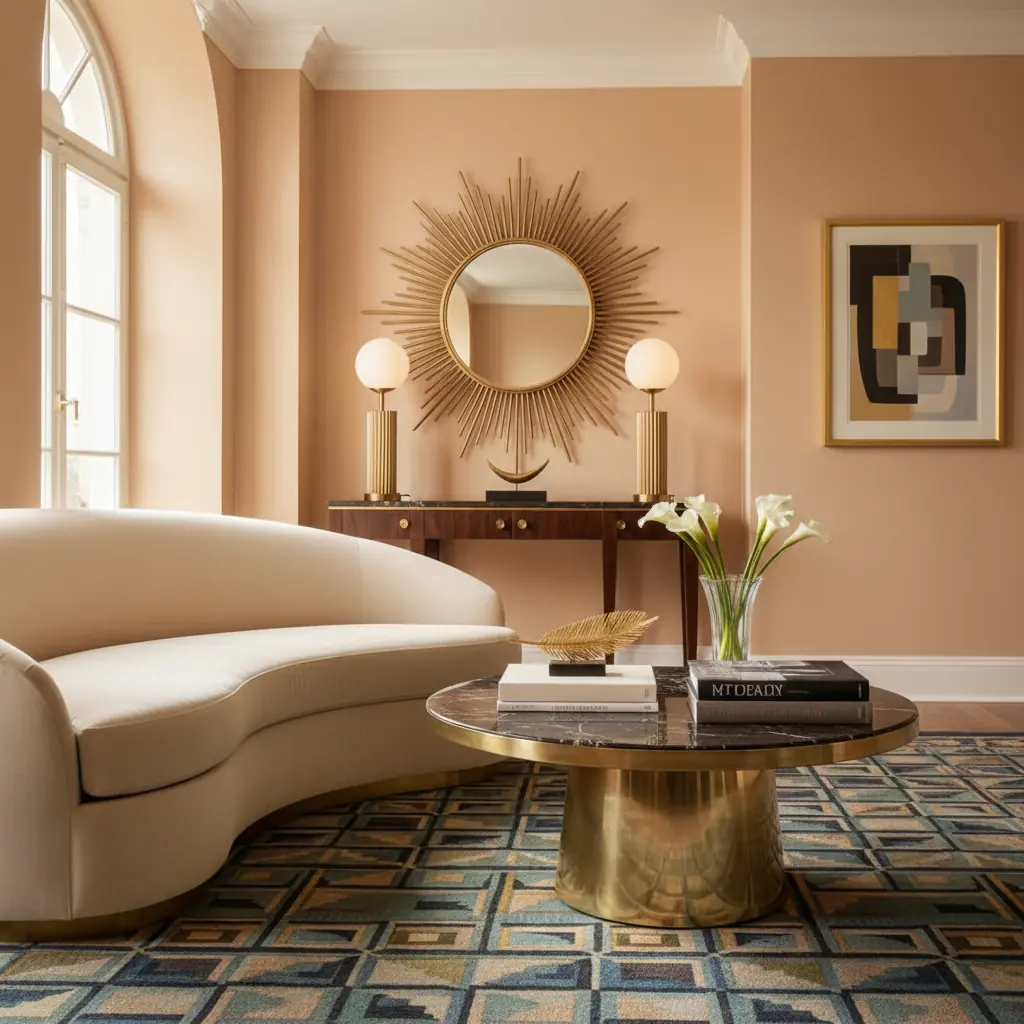
O Que Define o design de interiores Art Deco? Geometria, Riqueza e Simetria
O Art Deco surgiu na década de 1920, uma resposta deslumbrante à fluidez orgânica do Art Nouveau. Foi um estilo forjado em uma era de avanços tecnológicos sem precedentes, boom econômico e mudanças culturais, celebrando a modernidade, o luxo e as formas geométricas ousadas. Ao contrário das curvas intrincadas e inspiradas na natureza de seu predecessor, o Deco abraçou ângulos agudos, perfis escalonados, motivos de raio de sol (sunburst) e simetria rígida. Ele personificava a confiança — inegavelmente glamouroso, meticulosamente trabalhado e totalmente moderno para a sua época.
Em sua essência, o Art Deco é sobre drama sofisticado. Enquanto as tendências minimalistas frequentemente sussurram tranquilidade, o Deco faz uma declaração convincente. Seu apelo duradouro nos interiores contemporâneos reside em sua capacidade de injetar um senso de opulência e um design proposital que muitos estilos modernos, com sua ênfase em linhas limpas e utilidade, às vezes não possuem. A chave para uma integração bem-sucedida hoje é entender quais elementos Deco se traduzem perfeitamente para a vida do século XXI e quais podem parecer fora de lugar ou excessivamente temáticos. Um padrão geométrico estrategicamente posicionado, um acento de latão brilhante ou uma textura suntuosa de veludo pode elevar instantaneamente um ambiente, criando um ponto focal de glamour refinado. No entanto, tentar uma recriação em grande escala do "Gatsby" pode frequentemente falhar, transformando sofisticação em kitsch. A verdadeira arte do Art Deco moderno reside em sua aplicação sutil e curada.
A Paleta de Materiais Luxuosos: Quais São as Texturas Características do Art Deco?
Os interiores Art Deco são definidos por sua dependência de materiais que parecem intrinsecamente luxuosos, celebrando tanto a beleza natural quanto a precisão manufaturada da Era da Máquina. Esses materiais são escolhidos não apenas por seu apelo estético, mas por sua capacidade de interagir com a luz, adicionando camadas de refletividade e profundidade.
O **Mármore** se destaca como um pilar da estética Deco. O Calacatta Branco, com seus veios dramáticos em cinza ou dourado, é uma escolha clássica, frequentemente usado em lareiras, grandes aparadores e luxuosas paredes de banheiro. Para uma declaração mais ousada, o mármore verde-escuro Verde Guatemala ou o preto Nero Marquina proporciona um contraste marcante, especialmente quando combinado com detalhes metálicos. A superfície fria e lisa do mármore e seus padrões únicos trazem uma sensação de grandiosidade natural.
Os **Metais**, principalmente o latão, são indispensáveis. O Art Deco exige brilho, então o latão aparece em sua forma polida ou sem verniz, brilhante, evitando acabamentos escovados ou foscos. Este metal lustroso é encontrado em tudo, desde puxadores intrincados de armários e molduras de espelhos até luminárias marcantes e elegantes pés de mesa. Cromo e aço polido também aparecem, particularmente em estruturas de móveis e detalhes arquitetônicos, oferecendo uma alternativa mais fria e elegante ao latão.
O **Veludo** é o tecido quintessencial, incorporando calor e opulência. É frequentemente escolhido em tons joia ricos como verde esmeralda, azul safira, ameixa profunda ou vermelho rubi, embora veludos suaves cor champanhe ou carvão também possam fornecer uma base luxuosa. O veludo adorna sofás espaçosos, elegantes cadeiras de jantar e almofadas macias, sua pilha profunda absorvendo e refletindo a luz para criar uma textura dinâmica. Além do veludo, outros tecidos finos como seda, cetim e até couro polido contribuem para a sensação luxuosa.
A **Laca** adiciona um acabamento de alto brilho que é distintamente Deco. Superfícies em preto, azul marinho, verde floresta ou vermelho profundo atingem uma qualidade quase espelhada, refletindo a luz e adicionando uma profundidade incrível a armários, mesas laterais, carrinhos de bar e até paredes de destaque. Este acabamento elegante e reflexivo comunica instantaneamente luxo e um senso de artesanato meticuloso.
O **Espelho** é usado não apenas funcionalmente, mas como um elemento decorativo. Além dos espelhos de parede tradicionais, você o encontrará em incrustações de móveis, painéis de parede e molduras marcantes, frequentemente com detalhes chanfrados ou gravados. Sua capacidade de expandir um espaço e ampliar a luz o torna uma ferramenta poderosa para alcançar a grandiosidade característica do Deco.
**Madeiras Exóticas e Incrustações**: Madeiras escuras e altamente polidas, como ébano Macassar, jacarandá e nogueira, eram frequentemente usadas, muitas vezes combinadas com incrustações intrincadas de madeiras mais claras, madrepérola ou metal. Esses finos folheados eram aplicados em móveis, portas e painéis de parede, exibindo padrões geométricos e artesanato elaborado. A combinação desses materiais cria uma experiência multissensorial de textura, reflexão e riqueza inerente que define o interior Art Deco. Uma lareira de mármore personalizada, por exemplo, pode se tornar o coração luxuoso de uma sala de estar, custando frequentemente mais de US$ 5.000 a US$ 15.000, dependendo da pedra e da complexidade do design, um testemunho do compromisso do Deco com materiais de alta qualidade.
Uma Estratégia de Cores Disciplinada: Tons Joia em uma Base Neutra
Um dos erros mais comuns ao projetar espaços Art Deco é a tentação de exagerar nas cores em todo lugar. Fiel à sua natureza sofisticada, interiores Deco eficazes empregam uma estratégia de cores altamente disciplinada: uma base neutra cuidadosamente escolhida, pontuada por toques vibrantes e profundos em tons joia e metálicos brilhantes. Esse equilíbrio evita que o espaço se torne opressor ou pareça um drama de época.
A base tipicamente consiste em cremes quentes, cinzas suaves, pretos foscos ou até brancos nítidos. Esses neutros fornecem um pano de fundo calmo e elegante que permite que os elementos mais ricos realmente brilhem. Pense neles como a tela sobre a qual o drama se desenrola.
Para os detalhes, verde esmeralda, azul safira e dourado formam a tríade clássica do Deco, uma combinação que evoca instantaneamente a opulência da era. No entanto, a paleta é mais ampla e pode incluir roxo ametista, vermelho rubi, azul-petróleo profundo e até laranja queimado. A chave é selecionar um ou dois tons joia dominantes para manter a coesão.
A proporção é crítica para alcançar um visual equilibrado. Uma boa diretriz é mirar em aproximadamente 70% de neutro, 20% de um tom joia dominante e 10% de detalhes em ouro metálico ou latão. Por exemplo, uma sala de estar pode apresentar paredes cor marfim e um tapete cinza suave (70% neutro), um opulento sofá de veludo esmeralda (20% tom joia) e obras de arte emolduradas em latão com objetos decorativos dourados (10% metálico). Em um banheiro, isso pode se traduzir em paredes de mármore branco, azulejos de piso geométricos pretos e impressionantes acessórios dourados.
Essa contenção estratégica é o que eleva um interior Deco sofisticado de um espaço temático. Ela permite que cada elemento seja apreciado, criando profundidade e interesse visual sem sobrecarregar os sentidos. Ao planejar seu esquema de cores, ferramentas como o [Gerador de Paleta de Cores com IA](/blog/ai-color-palette-generator) da Habitas podem ajudá-lo a visualizar como diferentes tons joia e neutros interagem, garantindo que sua paleta escolhida se alinhe perfeitamente com a estética Deco que você almeja.
Peças de Mobiliário Essenciais e Estilos de Iluminação Art Deco
Certas formas de mobiliário são imediatamente reconhecíveis como sinônimos do Art Deco, atuando como poderosas âncoras que definem o estilo em qualquer ambiente. Você não precisa de todas as peças, mas incorporar um ou dois itens chave pode sinalizar instantaneamente a estética luxuosa.
**Formas de Mobiliário Característico:**
- **O Sofá de Veludo Curvo:** Frequentemente apresentando capitonê linear (channel tufting), um encosto arredondado ou braços em cascata (waterfall arms), esses sofás exalam conforto e glamour. Um sofá de veludo esmeralda ou safira, por exemplo, pode se tornar o ponto focal inegável de uma sala de estar inteira. Isso reflete uma [tendência mais ampla no design de móveis curvos](/blog/curved-furniture-design-trend) que continua a cativar. - **O Carrinho de Bar de Latão e Vidro:** Um símbolo da sofisticação dos anos 1920, esta peça é funcional e decorativa, perfeita para exibir copos e decanters elegantes. - **O Espelho Sunburst (Raio de Sol):** Um clássico motivo Deco, frequentemente com um grande espelho central cercado por segmentos que irradiam, criando um ponto focal dramático. - **Consoles e Mesas Laterais Caneladas ou Estriadas:** Móveis adornados com caneluras ou estrias verticais adicionam interesse textural e uma sensação clássica, porém elegante. - **Móveis com Borda em Cascata (Waterfall Edge):** Mesas, cômodas e aparadores onde a superfície superior se curva suavemente para formar as pernas, criando uma linha contínua e fluida. - **Conjuntos de Jantar em Cromo ou Laca:** Mesas de jantar frequentemente apresentam tampos de madeira escura ou laca de alto brilho com bases ousadas ou bases cromadas, combinadas com cadeiras estofadas.
**Iluminação Art Deco:** A iluminação é mais do que apenas iluminação no design Deco; é uma parte integrante da decoração, criando o ambiente e destacando superfícies reflexivas. A iluminação Art Deco favorece luminárias que são precisas, intencionais e frequentemente grandiosas.
- **Lustres de Cristal:** Procure por formas geométricas, designs em camadas ou silhuetas escalonadas, frequentemente combinando cristal com latão ou cromo. - **Arandelas de Parede:** Vidro fosco ou canelado combinado com braços de latão polido ou cromo, emitindo um brilho suave e difuso. - **Pendentes:** Frequentemente apresentando vidro escalonado ou em camadas, às vezes com detalhes metálicos, adicionando elegância vertical. - **Torchieres:** Luminárias de chão verticais que direcionam a luz para cima, proporcionando iluminação ambiente e acentuando a altura do teto.
Evite qualquer coisa abertamente rústica, industrial ou orgânica em sua forma; a iluminação Deco deve parecer meticulosamente projetada e sofisticada. A interação entre a luz ambiente emitida por essas luminárias e as superfícies reflexivas (latão, espelho, laca) é o que confere aos espaços Art Deco seu calor característico, brilho e uma sensação de luxo inigualável. Investir em luminárias de qualidade pode elevar significativamente um espaço inspirado no Art Deco; um lustre marcante pode facilmente variar de US$ 800 a US$ 5.000, enfatizando sua importância como elemento de design.
Como Adicionar Toques Art Deco Sem um Compromisso Total
Nem toda casa precisa, ou deveria, ser um museu Art Deco completo. O estilo é incrivelmente impactante quando introduzido através de peças de destaque específicas e bem escolhidas, em vez de aplicado em larga escala. Essa abordagem permite uma estética moderna e integrada que se baseia no glamour do Deco sem parecer opressora ou excessivamente temática.
**Comece com os Ferragens:** Uma mudança sutil, porém altamente eficaz, é a atualização dos puxadores de seus armários ou maçanetas. Trocar os ferragens padrão por puxadores geométricos de latão elegantes, ou maçanetas com design escalonado ou linear, adiciona instantaneamente um toque de elegância Deco a cozinhas, banheiros ou armários embutidos.
**Introduza Espelhos Marcantes:** Um espelho com moldura em forma de raio de sol (sunburst), escalonada ou altamente geométrica é um toque Deco quintessencial. Coloque-o em uma entrada, acima de um aparador, ou como um ponto focal em uma sala de estar. Sua qualidade reflexiva também aumentará a sensação de luz e espaço.
**Selecione Uma ou Duas Peças de Mobiliário de Veludo:** Você não precisa de um conjunto completo de sala de estar de veludo. Uma única poltrona de veludo em um tom joia, um conjunto de cadeiras de jantar, ou mesmo um pufe com capitonê linear (channel-tufted) pode introduzir a textura luxuosa e a paleta de cores. Isso mantém o visual fresco e evita que pareça pesado.
**Incorpore Padrões Geométricos com Cuidado:** Os padrões geométricos do Art Deco são icônicos, mas são melhor utilizados em doses controladas. Considere um papel de parede inspirado no Deco em uma única parede de destaque, um tapete geométrico marcante para ancorar uma área de estar, ou azulejos estampados em uma entrada ou lavabo. Esses elementos proporcionam interesse visual sem dominar todo o espaço. Mesmo trocar as capas de almofadas por aquelas com uma estampa Art Deco pode fazer a diferença.
**Adicione Detalhes Canelados ou Estriados:** Um abajur canelado, uma porta de armário de vidro estriado ou até mesmo um simples vaso canelado podem trazer um detalhe arquitetônico sofisticado sinônimo da era.
**Acessórios com Propósito:** Mudanças simples, como adicionar uma bandeja de mármore e latão a uma mesa de centro, incorporar um carrinho de bar vintage com detalhes em cromo polido, ou selecionar objetos decorativos com perfis escalonados ou motivos de raio de sol (sunburst) podem alterar a estética de um ambiente. Procure por luminárias esculturais, relógios elaborados ou utensílios de bar elegantes.
**Destaque Obras de Arte Inspiradas no Art Deco:** Escolha impressões abstratas geométricas, figuras estilizadas que remetem à era, ou pôsteres vintage emoldurados que evocam o glamour das décadas de 1920 e 1930. A obra de arte certa pode unificar um ambiente e reforçar o estilo escolhido.
A beleza de uma plataforma como a Habitas é sua capacidade de permitir que você visualize essas mudanças antes de se comprometer. Você pode [gerar redesenhos fotorrealistas](/blog/ai-generated-room-designs-realistic) de seus ambientes reais, permitindo testar como uma nova parede de destaque Deco, um sofá de veludo curvo ou um conjunto de arandelas de latão ficaria em seu espaço. Isso reduz erros custosos e ajuda você a refinar sua visão com confiança. Proprietários de casas que usam plataformas de design de interiores com IA como a Habitas relatam economizar em média de 30 a 50 horas no planejamento do design em comparação com métodos tradicionais, agilizando significativamente o processo de design.
Detalhes Arquitetônicos: Além do Mobiliário
Embora o mobiliário e a decoração sejam cruciais, o impacto do Art Deco frequentemente se estendia à própria estrutura dos edifícios. A incorporação de detalhes arquitetônicos, mesmo que sutilmente, pode imbuir uma casa com o autêntico caráter Deco.
**Revestimentos de Lareira:** Um revestimento de lareira dramático em mármore preto, ou um que apresente perfis escalonados e detalhes geométricos esculpidos, pode se tornar um ponto focal instantâneo. A própria lareira pode ser simples e elegante ou adornada com caneluras mais elaboradas.
**Portais e Molduras:** Procure oportunidades para introduzir arcos escalonados ou aplicar molduras com um padrão limpo, linear ou sutilmente geométrico. Estes podem definir zonas dentro de um espaço de plano aberto ou elevar um portal simples.
**Pisos:** O Terrazzo, com sua mistura composta de mármore, quartzo, granito ou lascas de vidro, era uma escolha popular, frequentemente aplicado em padrões geométricos ousados. Alternativamente, azulejos em xadrez preto e branco altamente polidos, ou padrões de parquet mais intrincados, podem fornecer uma base Deco marcante, especialmente em entradas ou banheiros.
**Armários Embutidos:** Prateleiras ou armários integrados com acabamentos de laca de alto brilho, detalhes cromados ou painéis canelados podem proporcionar tanto armazenamento quanto uma forte declaração de design. Esses elementos personalizados são onde a ênfase do Deco na precisão e no artesanato realmente brilha.
**Janelas e Portas:** Considere substituir o vidro padrão por vidro canelado ou estriado em portas internas ou frentes de armários para difundir a luz e adicionar textura. Vitrais com padrões geométricos também podem fornecer um toque deslumbrante e apropriado para a era, embora seja um empreendimento mais significativo.
Curadoria de Arte e Acessórios: Os Toques Finais
Os acessórios e a arte que você escolhe são a camada final que dá vida a um espaço Art Deco, enfatizando seu glamour inerente e atenção aos detalhes.
**Espelhos Decorativos como Arte:** Além dos espelhos funcionais, considere peças onde a própria moldura é uma obra de arte – raios de sol elaborados (sunbursts), formas geométricas em camadas, ou espelhos com detalhes de vidro gravado ou chanfrado. Colocá-los estrategicamente pode amplificar a luz e adicionar interesse visual dinâmico.
**Esculturas e Estatuetas:** O Art Deco abraçou figuras humanas estilizadas, animais (frequentemente gazelas ou panteras) e formas abstratas. Procure por esculturas de bronze ou cromo, muitas vezes elegantes e aerodinâmicas, para colocar em aparadores, estantes ou pedestais. Relógios, também, eram frequentemente projetados como elementos esculturais.
**Vasos e Floreiras:** Opte por vasos com linhas geométricas fortes, detalhes metálicos, ou feitos de vidro polido ou cerâmica em cores profundas e saturadas. Embora o Deco não seja abertamente biofílico, a colocação estratégica de uma planta alta e dramática em uma elegante floreira metálica pode adicionar vida e verticalidade.
**Utensílios de Bar e Essenciais para Entretenimento:** Os anos 1920 eram sinônimo de entretenimento sofisticado. Carrinhos de bar em cromo polido ou latão, decanters de cristal, elegantes coqueteleiras e copos com padrões gravados ou bordas douradas são essenciais para completar o visual Deco.
**Obras de Arte e Pôsteres:** Procure por arte abstrata geométrica, retratos altamente estilizados ou reproduções de pôsteres de viagem icônicos do Art Deco (por exemplo, da Riviera Francesa ou Nova Iorque) para adornar suas paredes. Essas peças frequentemente apresentam cores vibrantes e linhas fortes que complementam a estética geral. A disposição da arte também importa; simetria e equilíbrio são fundamentais no Deco, muitas vezes apresentando peças combinando flanqueando um espelho central ou lareira.
Integrando o Art Deco com Estilos Modernos: A Arte da Fusão
O maior desafio e oportunidade no design Art Deco contemporâneo é a integração harmoniosa de seus elementos ousados com estéticas modernas ou minimalistas existentes. O objetivo é elevar, não sobrecarregar.
**O Deco "Menos é Mais":** Em vez de recriar um ambiente de época, selecione algumas peças Deco de alto impacto e permita que elas respirem em um ambiente contemporâneo mais neutro. Um único sofá de veludo com capitonê linear em uma sala de estar moderna e elegante se torna um ponto focal luxuoso, em vez de apenas mais uma peça de mobiliário.
**Misture e Combine Materiais:** Combine um aparador de latão polido com um piso de concreto e obras de arte minimalistas. O contraste do metal Deco elegante com texturas modernas e brutas cria uma tensão dinâmica muito atraente. Considere o apelo duradouro de estilos como o [moderno de meados do século](https://habitas.com/blog/best-interior-design-styles-2026) que também defendem linhas limpas, mas usam materiais naturais.
**A Cor como Ponte:** Use os tons joia característicos do Art Deco como cores de destaque dentro de uma paleta moderna amplamente neutra. Uma sala de jantar contemporânea com mobiliário minimalista poderia apresentar cadeiras de jantar estofadas em veludo esmeralda, unindo o glamour Deco sem parecer deslocado. Essa abordagem ressoa com as preferências contemporâneas por um design flexível e adaptável.
**Iluminação como Declaração:** Em um ambiente de outra forma simples, um lustre de cristal geométrico ou um par de elegantes arandelas de latão pode introduzir o drama e a ambiência refinada do Deco sem sobrecarregar o espaço.
**Abrace a Simetria com Simplicidade Moderna:** Embora o Deco adore simetria, aplicá-la rigidamente em uma casa totalmente moderna pode parecer muito formal. Em vez disso, busque composições equilibradas. Por exemplo, dois abajures inspirados no Deco flanqueando um aparador minimalista podem alcançar equilíbrio sem serem abertamente simétricos em todos os elementos.
Integrar elementos clássicos do Art Deco em uma casa contemporânea exige um olhar perspicaz e um foco na curadoria. Ao incorporar seletivamente seus materiais, formas e paleta de cores característicos, você pode alcançar um espaço que é ao mesmo tempo glamouroso e inegavelmente atual. Estudos mostram que um interior bem projetado pode aumentar o valor percebido de uma casa em até 15-20%, tornando escolhas de design ponderadas como essas um investimento valioso.
Inspiração Art Deco Cômodo a Cômodo
Vamos explorar como o Art Deco pode infundir glamour em áreas específicas de sua casa.
**Sala de Estar:** Faça do sofá sua peça central. Um sofá de veludo curvo em um tom joia rico como safira ou rubi instantaneamente define o clima Deco. Complemente-o com uma mesa de centro de latão polido e vidro, talvez com um perfil escalonado. Um grande espelho sunburst (raio de sol) acima de um aparador laqueado pode fornecer um ponto focal dramático. Adicione almofadas geométricas e um tapete luxuoso com um padrão Art Deco sutil. A iluminação deve ser em camadas, combinando um lustre geométrico com luminárias de chão com cúpulas de vidro fosco.
**Sala de Jantar:** Opte por uma mesa de jantar com tampo de madeira escura (como nogueira ou ébano) ou acabamento em laca de alto brilho, potencialmente com uma base dramática em pedestal. Combine-a com cadeiras de jantar estofadas em veludo ou um couro de alta qualidade, talvez com um encosto sutilmente curvado ou detalhes em latão. Um lustre de cristal ou latão em camadas acima da mesa adicionará uma sensação de ocasião inigualável. Considere um bufê espelhado ou laqueado para servir e armazenar, adornado com utensílios de bar elegantes.
**Quarto:** Crie um refúgio luxuoso com uma cabeceira grandiosa. Esta pode ser de veludo com capitonê linear, um design de painel espelhado ou uma com intrincada incrustação de madeira. Mesas laterais com detalhes em latão, gavetas caneladas ou uma borda em cascata adicionam elegância. Use lençóis de alta contagem de fios, almofadas de seda e uma manta de veludo macia para o máximo conforto e opulência. A iluminação deve ser suave e ambiente; pense em arandelas de parede com vidro fosco ou elegantes luminárias de cabeceira com bases geométricas. Uma pequena penteadeira espelhada pode completar o visual.
**Banheiro:** O mármore é seu melhor amigo aqui. Use-o generosamente em bancadas de vaidade, paredes de chuveiro ou como um dramático revestimento de piso. Combine mármore branco com azulejos de destaque geométricos pretos para um contraste clássico. Ferragens douradas ou cromadas polidas são essenciais, de torneiras a chuveiros e toalheiros. Um espelho grande e ornamentado com uma borda chanfrada ou uma moldura geométrica fará uma declaração. Considere vidro estriado para telas de chuveiro ou portas de armário.
**Hall de Entrada:** Crie uma grandiosa primeira impressão com um elegante aparador laqueado ou uma pequena mesa com tampo de mármore. Acima dela, pendure um marcante espelho sunburst (raio de sol). Um tapete geométrico ousado pode definir o espaço, e um pendente marcante ou um par de elegantes arandelas de parede proporcionarão um brilho acolhedor e convidativo. Este espaço é perfeito para um único e impactante detalhe Deco.
Perguntas Frequentes
### Quais são as características centrais do design de interiores Art Deco?
O design de interiores Art Deco é caracterizado por sua celebração da modernidade, luxo e formas geométricas ousadas. Elementos chave incluem ângulos agudos, perfis escalonados, motivos de raio de sol (sunburst) e forte simetria. Ele se baseia fortemente em materiais ricos e reflexivos como latão polido, mármore, veludo, laca e espelhos. A paleta de cores tipicamente apresenta uma base neutra pontuada por vibrantes tons joia, como esmeralda, safira e rubi, frequentemente acentuados com ouro ou cromo.
### Como posso incorporar elementos Art Deco em uma casa moderna sem que ela pareça datada?
Para integrar o Art Deco perfeitamente em uma casa moderna, concentre-se na curadoria em vez da recriação. Escolha algumas peças Art Deco de alto impacto, como um sofá de veludo com capitonê linear, um espelho sunburst (raio de sol) ou um carrinho de bar de latão e vidro. Use padrões geométricos em doses controladas, como em uma parede de destaque ou um tapete. Empregue a rica paleta de materiais do Art Deco através de atualizações de ferragens (puxadores de latão), iluminação marcante e têxteis luxuosos como veludo em poltronas ou almofadas. A chave é misturar esses elementos com sua estética moderna existente, permitindo que eles proporcionem um contraste sofisticado.
### Quais são os esquemas de cores típicos no design Art Deco?
O Art Deco tipicamente utiliza uma estratégia de cores disciplinada: uma base neutra (creme quente, cinza suave ou preto fosco) acentuada por tons joia ousados e metálicos. Tons joia clássicos incluem verde esmeralda, azul safira, vermelho rubi, roxo ametista e azul-petróleo profundo. Ouro e latão polido são os principais detalhes metálicos. A proporção ideal é frequentemente em torno de 70% neutro, 20% de um tom joia dominante e 10% de metálico para garantir sofisticação sem sobrecarregar o espaço.
### Quais materiais são comumente usados em interiores Art Deco?
Os materiais característicos dos interiores Art Deco enfatizam o luxo e a refletividade. Isso inclui metais polidos como latão, cromo e aço; pedras luxuosas como mármore (especialmente Calacatta branco ou Nero Marquina preto); superfícies laqueadas de alto brilho em preto, azul-marinho ou verde-escuro; e têxteis ricos como veludo, seda e cetim. Superfícies espelhadas, muitas vezes chanfradas ou gravadas, e madeiras exóticas como ébano Macassar também são parte integrante do estilo.
### O Art Deco ainda é um estilo de design de interiores popular em 2026?
Sim, o Art Deco continua sendo um estilo de design de interiores altamente influente e popular em 2026. Seu apelo atemporal reside em seu glamour inerente, sofisticação e toque dramático, que oferecem um contraste revigorante às tendências mais minimalistas. As interpretações modernas focam na integração cuidadosa de elementos Deco chave, misturando-os com estilos contemporâneos para criar espaços que são luxuosos e atuais, demonstrando sua relevância e adaptabilidade duradouras.