Dominando Paredes Pretas de Destaque: Profundidade, Drama e Estilo Atemporal
Descubra o poder das paredes pretas de destaque! Conheça as melhores tintas, posicionamento ideal e dicas de combinação para móveis e arte para criar espaços sofisticados.
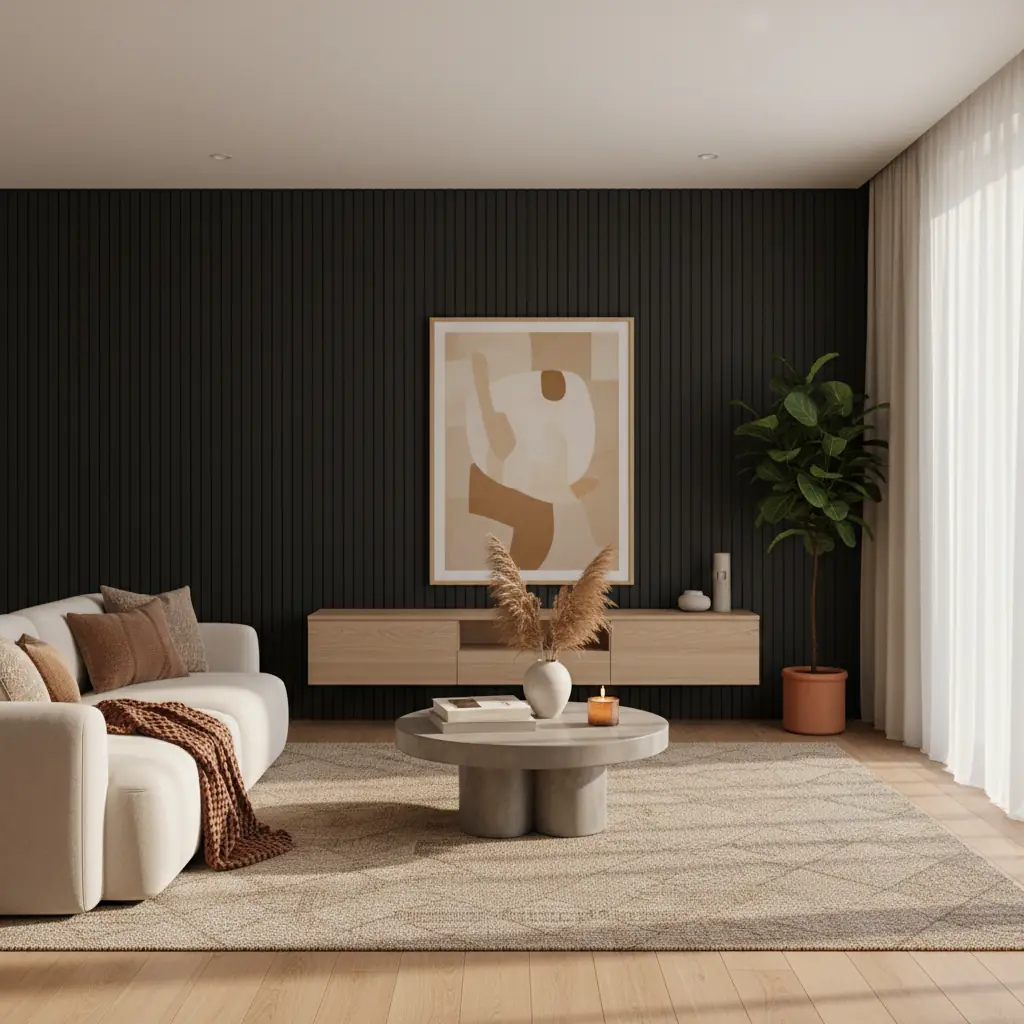
Por Que Paredes Pretas de Destaque Funcionam Tão Bem? Profundidade, Drama e o Efeito Galeria
No universo do design de interiores, poucas escolhas são tão polarizadoras – ou tão profundamente poderosas – quanto uma parede preta de destaque. É uma afirmação, um sussurro de sofisticação e um rugido de confiança, tudo ao mesmo tempo. Embora a ideia possa inicialmente evocar imagens de espaços cavernosos e opressores, a realidade é que uma parede preta de destaque bem aplicada é uma das ferramentas mais eficazes para criar profundidade dramática, realçar bens preciosos e injetar um estilo inegável em qualquer ambiente. Isso não é apenas uma tendência passageira; é uma estratégia de design atemporal empregada por especialistas há décadas, de galerias de arte a boutiques de luxo. Com a abordagem certa, uma parede preta pode transformar um cômodo comum em um santuário memorável, provando que escolhas audaciosas frequentemente resultam nos desfechos mais gratificantes. De fato, estudos mostram que casas com design bem pensado, mesmo com elementos ousados, podem ter um aumento significativo na atratividade; por exemplo, **73% dos compradores de imóveis relatam que o staging estratégico e elementos de design distintos os ajudam a visualizar o potencial de uma propriedade** e aumentam o interesse, tornando uma parede preta de destaque uma escolha surpreendentemente prática para aumentar o valor percebido.
Uma parede preta recua visualmente, conduzindo o olhar para além de sua superfície e fazendo o ambiente parecer mais profundo e expansivo do que suas dimensões físicas sugerem. Essa engenhosa ilusão de ótica é precisamente o motivo pelo qual museus e galerias há muito tempo preferem fundos pretos; ela cria um ponto focal natural que atrai o olhar e faz com que tudo o que é colocado contra ela — seja arte, estantes esculturais ou uma peça de mobiliário marcante — se destaque com contraste realçado e importância visual. É o derradeiro "efeito galeria", permitindo que suas peças curadas realmente brilhem.
Além de sua magia espacial, o preto também fotografa excepcionalmente bem, uma qualidade cada vez mais relevante em nosso mundo impulsionado visualmente. A rica profundidade de uma parede preta cria um belo jogo de luz — as sombras tornam-se elementos esculturais, as fontes de luz tornam-se mais dramáticas, e o ambiente geral ganha uma qualidade cinematográfica. Em uma era onde fotografamos e fazemos videochamadas de nossas casas constantemente, essa qualidade fotogênica não é apenas um bônus; é uma consideração cada vez mais prática que eleva a presença de sua casa, tanto online quanto offline.
O efeito psicológico de uma parede preta de destaque é de audácia e confiança inegáveis. Um cômodo com uma parede preta comunica que o proprietário faz escolhas de design deliberadas, abraça a sofisticação e não tem medo de compromisso. É o equivalente no design de interiores a um terno preto perfeitamente ajustado ou a um clássico 'pretinho básico' — marcante, sofisticado e permanentemente na moda. Essa versatilidade permite que o preto se integre perfeitamente a diversas estéticas de design, do minimalista e industrial ao boêmio e maximalista, sempre ancorando o espaço com um ar de intenção refinada.
Escolhendo a Tinta Preta Perfeita: Fosca, Acetinada e Nuances de Subtom
Nem todos os pretos são criados iguais, e as sutis diferenças tornam-se flagrantemente óbvias em uma grande superfície de parede. As nuances de subtom, saturação de pigmento e acabamento podem alterar drasticamente como uma parede preta se sente em sua casa.
Para um preto verdadeiro e profundo, sem subtom discernível, a **Benjamin Moore Black Beauty (2128-10)** se destaca como um dos pretos mais puros de sua coleção, entregando drama puro. Se você busca um preto mais frio, a **Benjamin Moore Jet Black (2120-10)** tem um leve subtom azulado, tornando-a uma excelente parceira para metais de tons frios como cromo, prata ou níquel polido, e perfeita para espaços contemporâneos. Para um preto mais suave e habitável que se inclina para o carvão sem perder seu impacto, a **Benjamin Moore Onyx (2133-10)** oferece uma qualidade quente, quase um preto desbotado, que parece menos austero e mais convidativo.
No espectro da Sherwin-Williams, a **Sherwin-Williams Tricorn Black (SW 6258)** é o preto mais puro e consistentemente classificado como o preto mais popular da América para aplicações tanto interiores quanto exteriores. É um preto confiável e sem surpresas que se comporta lindamente em quase qualquer condição de iluminação. Para aqueles que desejam o efeito de parede preta de destaque com um pouco menos de intensidade, a **Sherwin-Williams Iron Ore (SW 7069)** é um carvão muito escuro que parece preto na parede, mas contém cinza suficiente para parecer sutilmente mais suave e orgânico, especialmente complementando tons de madeira natural e paletas terrosas. Lembre-se, ao selecionar a tinta, consultar recursos como o [Gerador de Paleta de Cores com IA](/blog/ai-color-palette-generator) da Habitas pode ajudar você a explorar como esses pretos interagem com seus móveis e condições de iluminação existentes. Você também pode explorar mais tendências e recomendações gerais em nosso guia sobre as [Melhores Cores de Tinta para 2026](/blog/best-paint-colors-2026).
Além da tonalidade específica, o **acabamento é tão criticamente importante quanto a própria cor**.
- **Preto fosco** é inequivocamente o acabamento mais dramático e lisonjeiro. Ele absorve a luz uniformemente, criando uma profundidade aveludada que é genuinamente deslumbrante e luxuosa. No entanto, os acabamentos foscos são notórios por mostrar cada arranhão, impressão digital e imperfeição, tornando-os menos ideais para áreas de alto tráfego. - **Acetinado** é frequentemente o compromisso prático. Possui brilho suficiente para resistir a marcas e ser limpo facilmente, ao mesmo tempo em que mantém uma aparência rica, escura e sofisticada. Oferece uma refletividade sutil que realça a profundidade sem ser abertamente brilhante. - **Casca de ovo (Eggshell)** fica entre o fosco e o acetinado, oferecendo um pouco mais de durabilidade que o fosco com um brilho muito baixo, sendo muitas vezes uma boa escolha para paredes que precisam resistir a algum desgaste, mas onde se deseja um visual suave. - **Evite o preto de alto brilho** em grandes superfícies de parede. Embora marcante em pequenas doses ou em guarnições, o alto brilho amplifica cada imperfeição da parede, cria reflexos distrativos e raramente fica bem fora de um espaço profissionalmente preparado e acabado, onde a execução impecável é garantida.
Independentemente da tonalidade e do acabamento escolhidos, a **preparação adequada da parede é fundamental para uma parede preta de destaque impecável**. Certifique-se de que sua parede esteja limpa, lisa e livre de poeira ou gordura. Tape quaisquer buracos ou rachaduras, lixe levemente e, em seguida, aplique um primer de alta qualidade. Um primer tingido de cinza pode frequentemente fornecer uma base melhor para a tinta preta, ajudando a alcançar a verdadeira saturação da cor e exigindo menos demãos da própria tinta preta. Pintar uma única parede de destaque geralmente custa entre **$100-$300 para materiais DIY, ou $300-$700 para aplicação profissional**, tornando-a uma das transformações mais econômicas no design de interiores em comparação com reformas maiores.
Qual Parede Você Deve Pintar de Preto? Posicionamento Estratégico para Máximo Impacto
A eficácia de uma parede preta de destaque depende significativamente de seu posicionamento. A regra geral é pintar a parede para onde seu olho naturalmente se dirige ao entrar no cômodo. Essa escolha estratégica faz com que a parede preta pareça intencional, servindo como um ponto focal ancorado em vez de um mero salpico aleatório de cor.
Aqui está um resumo por cômodo:
- **Quartos**: A parede da cabeceira é quase sempre a escolha ideal. Você fica de costas para ela enquanto na cama, evitando que pareça opressora, e ela cria um pano de fundo dramático e luxuoso que emoldura lindamente a cama, os criados-mudos e qualquer arte selecionada. - **Salas de Estar**: A parede atrás do sofá principal ou a parede onde fica a televisão são excelentes candidatas, pois ambas são pontos focais naturais. Se você tem uma lareira, a parede que a contém também pode ser uma escolha poderosa, enfatizando sua presença arquitetônica. Ao planejar seu layout, considere usar ferramentas como uma [ferramenta de arranjo de móveis com IA](/blog/ai-furniture-arrangement-tool) para visualizar como a parede preta interage com suas peças-chave. - **Salas de Jantar**: A parede mais longa do cômodo, ou a parede mais visível de uma cozinha ou área de estar adjacente, pode criar um pano de fundo melancólico e sofisticado, perfeito para refeições íntimas e entretenimento. - **Home Offices/Estúdios**: A parede atrás de sua mesa faz uma declaração forte, adicionando seriedade e foco ao seu espaço de trabalho. Também pode minimizar distrações, permitindo que outros elementos recuem. - **Entradas/Corredores**: Embora muitas vezes pequenos, uma parede preta de destaque em uma entrada pode criar uma primeira impressão incrivelmente dramática, definindo imediatamente um tom sofisticado para o resto de sua casa. Combine-a com uma mesa console contrastante e um grande espelho para expandir a percepção de espaço.
**Paredes a geralmente evitar:**
- **Paredes com muitas janelas**: Uma parede preta com janelas recortadas pode quebrar o drama e muitas vezes parece estranha, especialmente durante o dia, quando a luz da janela cria um contraste forte e prejudica a profundidade uniforme do preto. - **Paredes com muitas portas ou interrupções arquitetônicas**: Semelhante às janelas, muitas interrupções na superfície da parede (como várias portas ou grandes embutidos) podem diminuir o impacto singular de um destaque preto e fazer com que pareça desconjuntado. - **Duas paredes adjacentes**: A menos que você esteja conscientemente buscando um cômodo totalmente imerso em cor (que é uma técnica diferente, veja nosso guia sobre a [técnica de imersão de cor](/blog/color-drenching-technique)), pintar duas paredes adjacentes de preto pode fazer o ambiente parecer inacabado ou desnecessariamente segmentado. Uma parede preta é uma declaração poderosa; mais de uma requer uma estratégia de design muito deliberada e coesa.
Como Combinar Paredes Pretas com Móveis, Arte e Acessórios para um Visual Coeso
A verdadeira magia de uma parede preta de destaque se revela quando ela é cuidadosamente combinada com elementos complementares. Não se trata apenas de pintar uma parede; trata-se de criar uma narrativa coesa.
**Móveis**: A chave aqui é o contraste. Móveis de cores claras contra uma parede preta criam instantaneamente aquele efeito de galeria de alto contraste que torna essa combinação tão marcante. Um sofá branco nítido ou bege cremoso, uma mesa de jantar de carvalho claro natural, um sofá secional cinza elegante ou uma estrutura de cama de madeira natural se destacarão dramaticamente. Esse contraste é o ponto principal de uma parede preta de destaque – se você colocar móveis escuros contra ela, perderá grande parte do efeito pretendido. Reserve a parede preta para exibir suas peças de mobiliário mais claras, mais interessantes ou mais esculturais. Considere materiais como linho, couro claro ou bouclé para estofados, ou madeiras quentes como bordo, freixo ou bambu para móveis de armazenamento.
**Arte**: A arte fica extraordinária contra paredes pretas, mas a apresentação realmente importa.
- **Molduras**: Escolha molduras que criem uma borda clara entre a arte e a parede. Molduras finas brancas, molduras de madeira natural (bétula, bordo, carvalho claro) ou molduras luxuosas douradas/latão funcionam lindamente para destacar a arte da superfície escura. Evite arte sem moldura ou molduras pretas, que podem fazer a arte se misturar ou se perder contra a parede. - **Tema**: Fotografia (especialmente em preto e branco ou cores vibrantes), arte abstrata e impressões minimalistas são particularmente impactantes. - **Paredes de Galeria**: Várias peças agrupadas em um arranjo de parede de galeria são excepcionalmente eficazes contra o preto porque a parede atua como um pano de fundo escuro e unificado, permitindo que a coleção seja lida como uma única declaração coesa, muito parecida com o cenário de um museu.
**Acessórios**: Estes são os toques finais que dão vida ao espaço.
- **Plantas Verdes**: Plantas verdes são a arma secreta absoluta para paredes pretas de destaque. O contraste entre o verde vibrante e o preto profundo é elétrico, natural e calmante – pense em um solo rico e escuro nutrindo um crescimento exuberante. Plantas de grande porte como uma figueira-lira, monstera, espada-de-são-jorge ou oliveira em vasos brancos, terracota ou até metálicos criam um dos momentos de design de interiores mais simples e eficazes possíveis. Para mais ideias sobre como incorporar vegetação, confira nosso guia sobre as [melhores plantas para design de interiores](/blog/best-plants-for-interior-design). - **Metais**: Acessórios de latão e dourados completam o quadro, adicionando calor e um toque de luxo. Um abajur de chão de latão, molduras douradas, um vaso de planta de cobre ou um espelho dourado adicionam instantaneamente um calor metálico que eleva o preto e evita que pareça austero. Prata e cromo podem funcionar em espaços mais frios e contemporâneos, realçando uma estética nítida. - **Têxteis**: Introduza têxteis macios e convidativos como mantas de tricô grosso, almofadas de veludo ou um tapete texturizado em cores contrastantes ou fibras naturais (lã, juta) para adicionar calor e interesse tátil.
Medos Comuns Desmistificados: Por Que uma Parede Preta de Destaque Não É o Que Você Pensa
É natural sentir-se apreensivo com uma escolha de design tão audaciosa. Vamos abordar as preocupações mais comuns que impedem os proprietários de abraçar o poder do preto. Uma pesquisa recente da indústria indicou que **'paredes de destaque' ou escolhas de cores ousadas aumentaram a satisfação do proprietário em 15%** ao redesenhar um espaço, sugerindo que superar esses medos frequentemente leva a um maior prazer em sua casa.
### Medo número um: "Isso fará meu quarto parecer menor."
**Realidade**: Este é um dos maiores equívocos. Uma única parede preta de destaque pode, na verdade, fazer um cômodo parecer _mais profundo_ porque ela recua visualmente. Seu olho a percebe como um vazio, atraindo seu olhar para trás e criando uma ilusão de mais espaço. O cômodo só parece menor se você pintar TODAS as paredes de preto em um cômodo pequeno com luz natural limitada. Uma única parede de destaque, especialmente quando contrastada com paredes circundantes mais claras, tem o efeito oposto, adicionando profundidade e interesse arquitetônico sem sacrificar o tamanho percebido.
### Medo número dois: "É muito escuro."
**Realidade**: Uma parede preta de destaque em um cômodo bem iluminado não é inerentemente escura — é dramática. Com luz natural adequada entrando pelas janelas e iluminação artificial bem planejada (luminárias de chão, arandelas, lustres) refletindo nas paredes, teto e piso restantes brancos ou de cores claras, o brilho geral do cômodo é pouco afetado. A parede preta absorve a luz em uma superfície, criando um ponto focal, enquanto o restante do cômodo a reflete normalmente. O efeito final é profundidade, contraste e sofisticação, não uma escuridão opressora. A iluminação eficaz é fundamental para tornar qualquer cômodo, especialmente um com elementos escuros, convidativo.
### Medo número três: "Vou me cansar disso."
**Realidade**: Esta é talvez a preocupação mais legítima, mas a história do design sugere o contrário. Ao contrário de cores da moda que podem rapidamente envelhecer um cômodo (pense em tons específicos de verde sálvia ou rosa milênio que vieram e se foram), o preto está permanentemente na moda. É uma cor fundamental e clássica que transcende tendências. É muito mais provável que você se canse de uma cor de tendência passageira do que da sofisticação atemporal do preto. E se você decidir por uma mudança, cobrir o preto não é a tarefa monumental que você pode imaginar. Geralmente, requer um primer de boa qualidade (um primer tingido de cinza faz maravilhas) e duas demãos da sua nova cor escolhida — um projeto de fim de semana, não uma grande reforma. Com ferramentas avançadas como o [Habitas](/blog/ai-interior-design-how-it-works), você pode visualizar exatamente como uma parede preta de destaque transformaria seu espaço, em sua iluminação específica e com seus móveis existentes, muito antes de pegar um pincel. Essa capacidade de 'experimentar antes de comprar' é inestimável, eliminando grande parte das suposições e do medo associados a decisões de design ousadas. De fato, **plataformas de visualização de IA como a Habitas podem ajudar você a explorar opções de design em meros minutos, em comparação com as 2 a 4 semanas que levaria com um design de interiores tradicional**, economizando tempo e potenciais erros dispendiosos. Você pode até gerar [designs de ambientes realistas com IA](/blog/ai-generated-room-designs-realistic) para ver sua visão ganhar vida instantaneamente.
### Medo número quatro: "Vai parecer muito frio ou masculino."
**Realidade**: Embora o preto possa ser inerentemente frio e austero, seu calor e ambiente estão inteiramente sob seu controle. A chave é o equilíbrio através da textura, materiais e iluminação. Combine sua parede preta com tons de madeira quentes (como carvalho ou nogueira), têxteis macios (veludo, cashmere, tricôs grossos) e iluminação convidativa com lâmpadas de temperatura quente. Introduza elementos naturais como rattan, juta e muitas plantas vivas. Esses elementos suavizam o preto, infundem o espaço com calor e criam uma atmosfera sofisticada e convidativa que é tudo menos fria ou excessivamente masculina. Trata-se de criar harmonia entre forças opostas.
---
Perguntas Frequentes
### Como preparo minha parede para tinta preta para garantir o melhor acabamento?
A preparação adequada é crucial para uma parede preta de destaque impecável. Comece limpando a parede completamente para remover qualquer poeira, sujeira ou gordura. Use uma solução de água e sabão neutro, depois enxágue e deixe secar completamente. Em seguida, tape quaisquer buracos ou rachaduras com massa corrida, lixe-os até ficarem lisos quando secos, e suavize quaisquer bordas ásperas. Finalmente, aplique um primer de alta qualidade. Um primer tingido de cinza é frequentemente recomendado, pois fornece uma excelente base para a tinta preta, ajudando a alcançar a verdadeira saturação da cor e potencialmente reduzindo o número de demãos de tinta preta necessárias para um acabamento uniforme.
### Que cores complementam uma parede preta de destaque de forma mais eficaz?
O preto é um neutro versátil, permitindo que combine lindamente com uma ampla gama de cores. Para sofisticação clássica, combine-o com brancos nítidos, cremes quentes ou cinzas suaves. Para um contraste vibrante, introduza toques ousados de cor como verde esmeralda, amarelo mostarda intenso, azul-petróleo profundo ou terracota vibrante através de arte, almofadas ou objetos decorativos. Metais como latão, ouro e cobre adicionam calor e luxo, enquanto tons de madeira natural (do bordo claro ao nogueira escuro) fornecem textura orgânica e um equilíbrio terroso. Plantas verdes exuberantes também oferecem um contraste natural deslumbrante.
### Uma parede preta de destaque pode realmente fazer um cômodo pequeno parecer maior?
Sim, uma parede preta de destaque pode, estrategicamente, fazer um cômodo pequeno parecer maior, e não menor. Isso se deve a um truque visual: o preto absorve a luz e cria uma sensação de recessão, fazendo com que a parede pareça estar mais distante do que realmente está. Quando uma parede recua, ela dá a ilusão de maior profundidade no ambiente. Esse efeito é maximizado quando a parede preta é contrastada com paredes mais claras, um teto claro e um piso claro, evitando que o cômodo pareça totalmente fechado. Trata-se de criar profundidade e drama, não de eliminar a luz por completo.
### Como mantenho uma parede preta de destaque fosca limpa e livre de marcas?
Acabamentos pretos foscos são conhecidos por mostrar imperfeições mais facilmente do que os acetinados ou casca de ovo. Para manter sua parede preta fosca limpa, evite produtos de limpeza abrasivos ou esfregar. Para poeira, use um pano de microfibra macio e seco. Para manchas ou marcas leves, limpe suavemente com um pano de microfibra limpo e úmido (apenas água) ou uma solução de sabão muito suave e não abrasivo, e depois seque delicadamente. É melhor lidar com as marcas assim que elas aparecem para evitar que se fixem. Considere usar uma fórmula de tinta fosca lavável, se disponível, pois elas oferecem durabilidade aprimorada sem sacrificar o acabamento aveludado.
### Uma parede preta de destaque é uma escolha de design atemporal ou apenas uma tendência?
Uma parede preta de destaque é uma escolha de design atemporal, não apenas uma tendência passageira. O preto é uma cor fundamental na arte, moda e design de interiores que manteve seu apelo clássico ao longo dos séculos. Sua capacidade de criar drama, realçar outros elementos e fornecer um pano de fundo sofisticado garante sua longevidade. Embora aplicações ou combinações específicas possam evoluir com os estilos atuais, o poder fundamental do preto permanece constante. É semelhante a uma peça de mobiliário clássica ou uma característica arquitetônica duradoura – sempre relevante, sempre chique e sempre capaz de elevar um espaço quando usada com consideração.