Transformação DIY de Ambiente por Menos de US$ 500: Um Guia Passo a Passo para Mudanças de Alto Impacto
Um guia prático passo a passo para transformar qualquer ambiente por menos de US$ 500 com técnicas DIY e compras inteligentes.
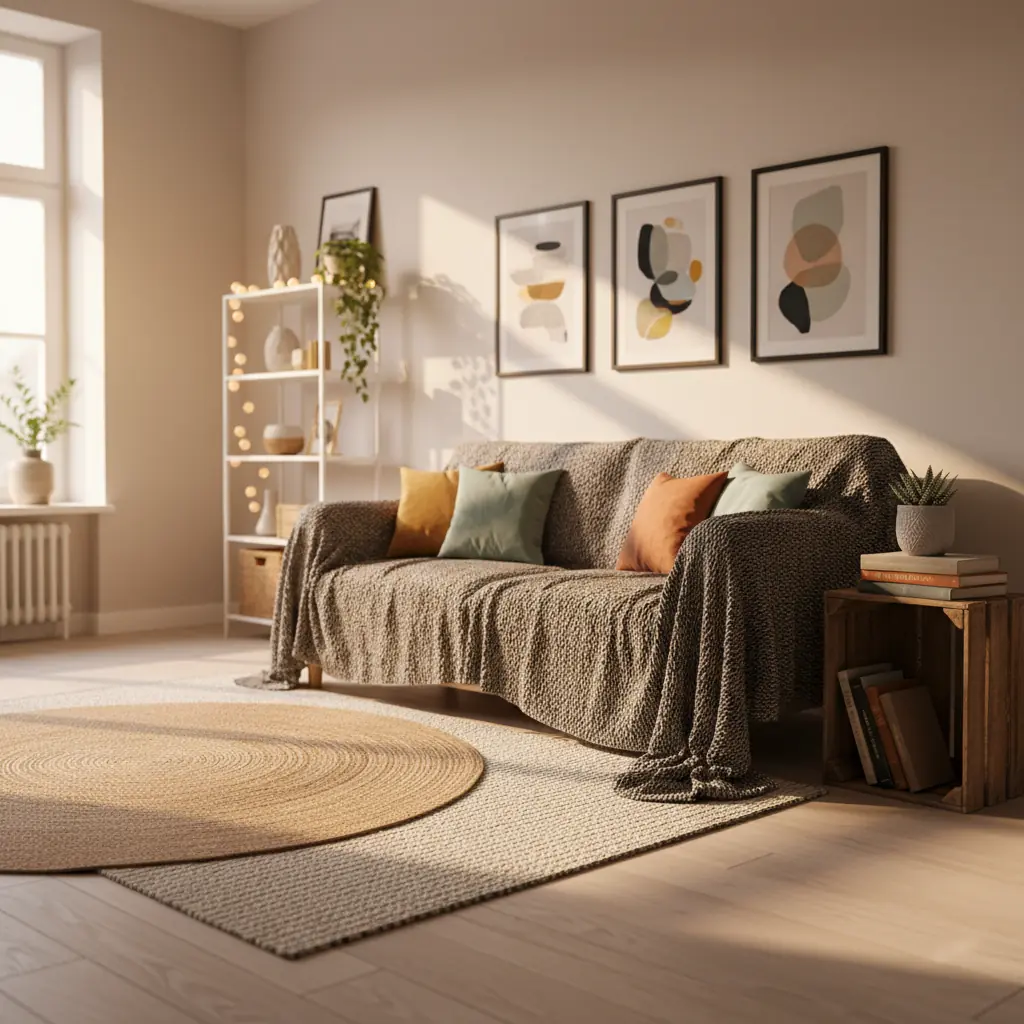
O desafio dos US$ 500: Por que as restrições geram um design de interiores criativo
No mundo do design de interiores, um orçamento generoso pode certamente abrir portas, mas um orçamento apertado? É aí que a verdadeira criatividade, engenhosidade e pensamento estratégico brilham. Em vez de simplesmente comprar o seu caminho para um ambiente melhor, uma restrição de menos de US$ 500 força você a avaliar criticamente cada decisão, focando em mudanças de alto impacto que não arruínam o orçamento.
O segredo para um espaço com um belo design não está em móveis caros ou acabamentos de luxo. Está na coerência, na intenção e numa estética bem pensada. Isso significa uma paleta de cores clara, arranjo inteligente de móveis, iluminação em camadas e a sensação de que cada item no ambiente foi cuidadosamente selecionado, e não apenas acumulado. Essa abordagem não apenas economiza dinheiro, mas também leva a um espaço mais personalizado e autêntico.
Este guia abrangente irá acompanhá-lo por seis passos de alto impacto que, quando combinados, podem transformar profundamente um ambiente por menos de US$ 500. Você não precisa implementar cada um dos passos – mesmo priorizando dois ou três com base nas maiores necessidades do seu ambiente, você obterá uma diferença notável e satisfatória. Abrace o desafio; os resultados podem surpreendê-lo.
Passo 1: Organize e reorganize – A base de qualquer transformação (Grátis)
Antes de gastar um único dólar, a transformação mais poderosa que você pode empreender é completamente gratuita: organizar e reorganizar. Não se trata apenas de arrumação; trata-se de remover a poluição visual e otimizar a funcionalidade.
**O Processo de Organização:** Comece removendo tudo do ambiente que não serve a um propósito claro ou não lhe traz satisfação genuína. Adote uma mentalidade implacável. Aquela pilha de revistas que você não toca há meses? A tigela decorativa que você nunca gostou de verdade? A mesa lateral que se tornou um ímã para a bagunça? Embale-os. Tente viver sem esses itens por duas semanas. Se você não sentir falta deles, é um sinal claro para doá-los, vendê-los ou descartá-los. Estudos mostram que um ambiente organizado pode reduzir o estresse em até 40% e melhorar o foco, provando que a clareza em seu espaço frequentemente leva à clareza mental. Para uma abordagem metódica, considere o "método das quatro caixas": rotule as caixas 'Manter', 'Doar', 'Lixo' e 'Mover', e organize rapidamente os itens.
**Reorganização Estratégica:** Uma vez que a bagunça se foi, é hora de brincar com seus móveis existentes. Não tenha medo de experimentar.
- **Afaste os móveis das paredes:** Isso cria uma sensação de leveza e amplitude, especialmente em ambientes menores. - **Crie zonas:** Use peças maiores como sofás, tapetes ou estantes para definir áreas distintas dentro de um espaço de plano aberto – um canto de leitura, uma área de conversação ou um espaço de trabalho. - **Incline os móveis:** Em vez de linhas retas e rígidas, tente inclinar uma cadeira a 45 graus em relação a um sofá para criar um canto de conversa mais convidativo e dinâmico. - **Considere o fluxo de tráfego:** Garanta que há espaço suficiente para se movimentar confortavelmente pelo ambiente sem esbarrar nos móveis.
Tire fotos de cada arranjo que experimentar; comparar imagens frequentemente revela qual disposição funciona melhor. O layout ideal raramente é o mais óbvio. Este passo inicial – remover distrações visuais e otimizar a pegada dos seus móveis – frequentemente cria a transformação mais dramática, e totalmente gratuita. Não custa nada além de uma tarde do seu tempo. Se precisar de ajuda para visualizar novos arranjos, ferramentas como o [ferramenta de arranjo de móveis com IA da Habitas](/blog/ai-furniture-arrangement-tool) podem ajudá-lo a simular rapidamente diferentes layouts sem esforço.
Passo 2: Eleve seu espaço com uma parede de destaque (US$ 50 a US$ 100)
Enquanto pintar um cômodo inteiro pode ser um projeto de vários dias, custando de US$ 200 a US$ 400 em tinta e materiais, pintar apenas uma parede de destaque oferece um impacto visual incrível por uma fração do tempo e custo. Leva cerca de três horas e geralmente custa de US$ 50 a US$ 100 por um galão de tinta (US$ 35-US$ 60), um rolo e bandeja (US$ 10-US$ 15), fita crepe (US$ 8-US$ 12) e uma lona de proteção (US$ 5-US$ 10).
**Escolhendo Sua Parede de Destaque:** Selecione a parede que naturalmente atrai o olhar – geralmente é a parede atrás do seu sofá, a parede da cabeceira em um quarto, ou a primeira parede que você vê ao entrar no cômodo. Esse posicionamento estratégico garante o máximo impacto.
**Seleção de Cores para Drama:** Seja ousado! Opte por tons mais escuros ou ricos do que você consideraria inicialmente. Um verde sálvia profundo, um terracota quente, um azul marinho sofisticado e melancólico, ou um cinza chumbo rico criará profundidade dramática e ancorará o ambiente. Paredes de destaque mais claras tendem a se misturar e parecerem indecisas, perdendo seu poder de "destaque". Considere as cores existentes em seus móveis e têxteis para garantir que a cor de destaque escolhida complemente, e não choque, com sua paleta atual. Para mais ideias, explore nosso guia sobre [paredes de destaque pretas](/blog/black-accent-walls) que mostra como uma cor escura pode realmente elevar um espaço.
**Visualize Antes de se Comprometer:** Um dos maiores obstáculos na pintura é o medo de se comprometer. É aqui que a tecnologia de IA realmente brilha. Use Habitas para testar várias cores de parede em uma foto real _do seu_ ambiente antes de comprar uma única lata de tinta. Ver seu espaço com uma parede de destaque verde floresta versus um tom de argila quente, ou até mesmo experimentar uma [técnica de "color drenching"](/blog/color-drenching-technique), elimina as incertezas na seleção de cores. Isso evita a sensação comum e frustrante de abrir uma lata de tinta e perceber que é a tonalidade errada, economizando tempo e dinheiro.
Passo 3: Atualize sua iluminação – A criadora de atmosfera (US$ 50 a US$ 150)
Uma iluminação inadequada pode fazer com que até os ambientes com o design mais bonito pareçam sem graça, frios ou pouco convidativos. Por outro lado, uma boa iluminação pode elevar ambientes modestos, tornando-os acolhedores, convidativos e intencionalmente projetados. A "regra dos três" é fundamental: todo ambiente precisa de pelo menos três fontes de luz em alturas variadas para criar profundidade e eliminar sombras. Estas incluem:
- **Iluminação Superior/Ambiente:** Iluminação geral, frequentemente de um plafon. - **Iluminação de Tarefas:** Luz focada para atividades específicas, como leitura (luminárias de mesa, luminárias de chão). - **Iluminação de Destaque:** Realça características ou cria atmosfera (luminárias para quadros, velas, pequenos uplights).
Se seu ambiente atualmente depende de uma única luminária de teto, é hora de adicionar camadas. Adicione uma luminária de chão (US$ 30-US$ 80 em lojas econômicas como IKEA, Target ou um brechó) e uma luminária de mesa (US$ 20-US$ 50). Ao escolher luminárias, considere seu estilo – uma luminária tripé moderna, uma base de cerâmica clássica ou uma luminária de metal estilo industrial podem contribuir significativamente para a estética do seu ambiente.
**O Poder dos LEDs Quentes:** Substitua todas as lâmpadas existentes por lâmpadas LED quentes (cerca de 2700K). Essa temperatura de cor imita o brilho aconchegante das lâmpadas incandescentes, criando uma atmosfera instantaneamente mais convidativa. Temperaturas mais frias (4000K+) tendem a parecer duras e com aspecto de escritório. Lâmpadas inteligentes (US$ 10-US$ 15 cada) são um excelente investimento, permitindo ajustar o brilho e a temperatura da cor ao longo do dia via aplicativo ou comando de voz, sem exigir nenhuma fiação complexa. A iluminação adequada pode aumentar a produtividade em 15% e melhorar significativamente o humor, transformando a forma como você vivencia sua casa.
Passo 4: Adicione têxteis em camadas – Textura, cor e conforto instantâneos (US$ 50 a US$ 100)
Têxteis – almofadas, cobertores e cortinas – são, sem dúvida, a maneira mais rápida e impactante de injetar cor, padrão e textura em um ambiente. Eles suavizam as arestas, absorvem o som e elevam instantaneamente o fator de conforto.
**O Poder das Almofadas:** Um conjunto de duas a quatro capas de almofadas novas (US$ 20-US$ 50 na Amazon, H&M Home ou Etsy) em uma paleta de cores coordenadas pode instantaneamente renovar um sofá ou cama cansado. Não tenha medo de misturar padrões (apenas mantenha a escala e a paleta de cores consistentes) e texturas (veludo, linho, tricô). Considere as cores dominantes da sua parede de destaque ou de uma peça de arte e escolha almofadas que complementem ou proporcionem um contraste sofisticado.
**A Manta Aconchegante:** Uma manta leve artisticamente jogada sobre o braço de um sofá ou no canto de uma cama adiciona um toque convidativo de calor e interesse visual por US$ 20-US$ 30. Procure por texturas como tricôs grossos, pele sintética ou tecidos de algodão macios. Este pequeno detalhe transmite conforto e cuidado.
**A Magia das Cortinas:** Se suas janelas possuem persianas básicas ou nenhum tratamento, cortinas baratas (US$ 25-US$ 50 por painel da IKEA ou Target) podem mudar drasticamente a sensação de um ambiente.
- **Instale Alto e Largo:** Instale varões de cortina perto do teto (apenas alguns centímetros abaixo) e estenda-os para além da moldura da janela em 15-30 centímetros de cada lado. Isso faz com que as janelas pareçam maiores e os tetos mais altos. - **Até o Chão:** Sempre escolha cortinas que apenas toquem levemente o chão ou formem uma pequena poça. Qualquer coisa mais curta parece inacabada. - **Escolha do Tecido:** Cortinas transparentes permitem a entrada de luz natural enquanto adicionam privacidade, enquanto cortinas de linho ou algodão mais pesadas oferecem mais isolamento e uma sensação luxuosa. Para ideias sobre como harmonizar suas escolhas de têxteis com o ambiente geral, considere explorar vários [esquemas de cores para salas de estar](/blog/color-schemes-for-living-rooms).
Esta é uma das mudanças de maior impacto e menor custo que você pode fazer para criar um visual polido e de "design".
Passo 5: Descubra personalidade: Achados em brechós e marketplaces (US$ 50 a US$ 100)
Para criar um espaço verdadeiramente único e com alma que evite a estética de "showroom de catálogo", procure além do varejo tradicional. Facebook Marketplace, vendas de imóveis locais, lojas de consignação e brechós são minas de ouro inestimáveis para peças cheias de personalidade por uma fração do custo original. Móveis de segunda mão podem oferecer até 70% de economia em comparação com a compra de novos, ao mesmo tempo em que contribuem para um estilo de vida sustentável.
**O Que Procurar:**
- **Espelhos Vintage:** Um belo espelho (US$ 20-US$ 50) com uma moldura ornamentada pode refletir a luz, expandir um espaço e atuar como um ponto focal. - **Móveis de Madeira Maciça:** Procure mesas laterais bem construídas (US$ 15-US$ 40), pequenos baús ou aparadores. Uma boa estrutura é fundamental, mesmo que o acabamento esteja datado. - **Arte e Molduras:** Arte emoldurada (US$ 10-US$ 30) pode adicionar personalidade. Não tenha medo de reenquadrar impressões ou simplesmente usar molduras interessantes para sua própria arte ou fotos. - **Cerâmicas e Vasos Únicos:** Vasos de cerâmica distintos (US$ 5-US$ 15), tigelas ou esculturas adicionam textura e um toque artesanal. - **Aparadores de Livro e Objetos Decorativos:** Esses pequenos detalhes dão ao ambiente uma sensação de curadoria e de ser vivido.
**Potencial de Transformação DIY:** Não descarte um item por causa de seu acabamento atual. Parte da alegria de comprar em brechós é o processo criativo de transformação:
- **Pintura:** Uma camada de preto fosco ou uma tinta spray vibrante (US$ 8) pode modernizar uma luminária de latão antiga ou uma moldura de madeira básica. - **Ferragens:** Trocar puxadores e maçanetas antigos de uma cômoda ou armário por ferragens novas e elegantes pode renovar completamente seu visual. - **Lixar e Tingir:** Uma mesa de madeira desgastada pode ser lixada e tingida novamente ou simplesmente selada para revelar sua beleza natural.
Esses achados únicos e reaproveitados adicionam camadas de história e individualidade que itens novos e produzidos em massa simplesmente não conseguem replicar.
Passo 6: Os toques finais: Plantas e acessórios (US$ 30 a US$ 50)
Com os elementos maiores no lugar, é hora da camada final vital: plantas e acessórios curados. Esses pequenos toques dão vida e personalidade a um ambiente, sinalizando intencionalidade – a diferença entre um ambiente que foi meramente decorado e um que foi verdadeiramente projetado.
**Trazendo o Verde:** As plantas são essenciais. Elas adicionam textura orgânica, cor vibrante e uma sensação de vitalidade que nenhum outro acessório pode replicar. Procure por duas a três plantas de tamanhos variados para criar interesse visual e movimento:
- **Planta de Chão Grande:** Uma Pothos, Espada-de-São-Jorge ou Zamioculcas resistente (US$ 15-US$ 25) adiciona verticalidade e drama. Essas variedades são incrivelmente tolerantes ao descuido, tornando-as perfeitas para quem não tem um "dedo verde" natural. - **Planta de Prateleira Média:** Uma pequena samambaia, outra Pothos caindo de uma prateleira, ou um arranjo de suculentas (US$ 8-US$ 15) adiciona vida ao nível dos olhos. - **Planta Pequena de Mesa/Peitoril:** Uma pequena suculenta, cacto ou erva (US$ 5-US$ 10) adiciona um toque fresco a um espaço de trabalho pessoal ou a um peitoril iluminado. Para orientações mais detalhadas sobre a integração de plantas, consulte nosso guia completo sobre as [melhores plantas para design de interiores](/blog/best-plants-for-interior-design).
**Acessórios Selecionados:** São os pequenos elementos que refletem sua personalidade e completam a história do ambiente:
- **Velas Perfumadas:** Uma vela de alta qualidade (US$ 10-US$ 15) não apenas adiciona um elemento decorativo, mas também introduz uma experiência sensorial, tornando o ambiente mais convidativo. - **Bandejas Decorativas:** Use uma bandeja elegante (US$ 10-US$ 20) para organizar controles remotos, porta-copos e outros pequenos itens em uma mesa de centro ou mesa de cabeceira. Isso cria instantaneamente um visual organizado e intencional. - **Livros de Mesa de Centro:** Uma pilha de livros de mesa de centro visualmente atraentes (US$ 5-US$ 15 de sebos ou de sua própria coleção) relacionados aos seus interesses adiciona personalidade e um toque de sofisticação. - **Fotos Pessoais/Arte:** Integre algumas fotos emolduradas ou pequenas peças de arte que ressoem com você. Esses detalhes íntimos fazem de uma casa um lar.
Dê um passo para trás, tire uma foto e compare-a com uma foto de antes de iniciar seu projeto. A transformação alcançada através desses seis passos estratégicos – todos dentro de um orçamento combinado de US$ 280 a US$ 500 – é consistentemente dramática. A estrutura do ambiente permanece a mesma, mas sua sensação, funcionalidade e estética são inteiramente novas. Abraçar esses princípios de design com orçamento limitado irá capacitá-lo a criar um espaço bonito, personalizado e confortável que realmente reflete você, provando que um bom design é acessível a todos.
Perguntas Frequentes
### É realmente possível transformar um ambiente por menos de US$ 500?
Sim, absolutamente! Embora US$ 500 possa parecer um orçamento apertado para uma transformação completa de um ambiente, é totalmente possível focar em mudanças de alto impacto e baixo custo. A chave é o gasto estratégico em essenciais como tinta, iluminação e têxteis, combinado com atividades gratuitas ou de baixo custo, como organizar, reorganizar móveis existentes e encontrar itens únicos em brechós ou marketplaces. Este guia demonstra como o foco nesses elementos pode criar uma diferença dramática sem um alto custo.
### Como posso fazer meu ambiente pequeno parecer maior com um orçamento limitado?
Para fazer um ambiente pequeno parecer maior com um orçamento limitado, comece organizando rigorosamente para maximizar o espaço no chão e minimizar a poluição visual. Opte por cores de tinta claras e neutras nas paredes, ou use uma parede de destaque estratégica para criar profundidade. Instale cortinas altas e largas para direcionar o olhar para cima. Use espelhos para refletir a luz e criar a ilusão de mais espaço. Escolha móveis com perfis finos ou pernas expostas e garanta múltiplas fontes de luz para iluminar cada canto, eliminando sombras que podem fazer um ambiente parecer apertado.
### Quais são as melhorias mais impactantes e econômicas para uma sala de estar?
Para uma sala de estar, as melhorias mais impactantes e econômicas incluem pintar uma parede de destaque (para uma mudança dramática), atualizar a iluminação (adicionando luminárias de chão e de mesa para ambiente) e adicionar novas camadas de têxteis (almofadas, mantas e cortinas para cor e textura). Além disso, organizar e reorganizar seus móveis existentes pode melhorar significativamente o fluxo e o apelo visual sem nenhum custo. A incorporação de elementos decorativos de brechós e algumas plantas também adiciona personalidade e frescor.
### Como escolho um esquema de cores para a transformação de um ambiente com orçamento limitado?
Comece identificando uma inspiração de cor, como uma peça de arte favorita, uma almofada estampada ou até mesmo uma foto. Em seguida, escolha uma cor neutra principal para a maioria das paredes para fornecer uma base calmante. Selecione uma cor de destaque (ou duas) para sua parede de destaque e têxteis que complementem o neutro ou ofereçam um contraste agradável. Use uma roda de cores para entender as relações entre as cores (por exemplo, cores análogas para harmonia, cores complementares para energia). Não se esqueça de testar amostras de tinta na iluminação real do seu ambiente antes de se comprometer, e considere ferramentas como a Habitas para visualizar sua paleta escolhida.
### Quais são os erros comuns a evitar em uma transformação de ambiente DIY?
Erros comuns incluem comprar itens novos sem primeiro organizar e avaliar as peças existentes, escolher cores de tinta na loja sem testá-las na iluminação do seu ambiente, negligenciar a importância da iluminação em camadas e ignorar os tratamentos de janela. Outro erro é tentar fazer muitas coisas ao mesmo tempo sem um plano claro, o que leva a um visual inacabado ou inconsistente. Também é fácil cair na armadilha de comprar acessórios baratos e produzidos em massa que carecem de personalidade, em vez de procurar achados únicos em brechós. Priorize seus passos e faça escolhas intencionais.