Investimentos Inteligentes em Móveis: 10 Peças Que Elevam Qualquer Ambiente
Um guia completo sobre as 10 peças de mobiliário que realmente valem a pena investir para qualidade duradoura, conforto e estilo atemporal — com faixas de preço detalhadas, indicadores de qualidade essenciais e conselhos de especialistas sobre onde economizar.
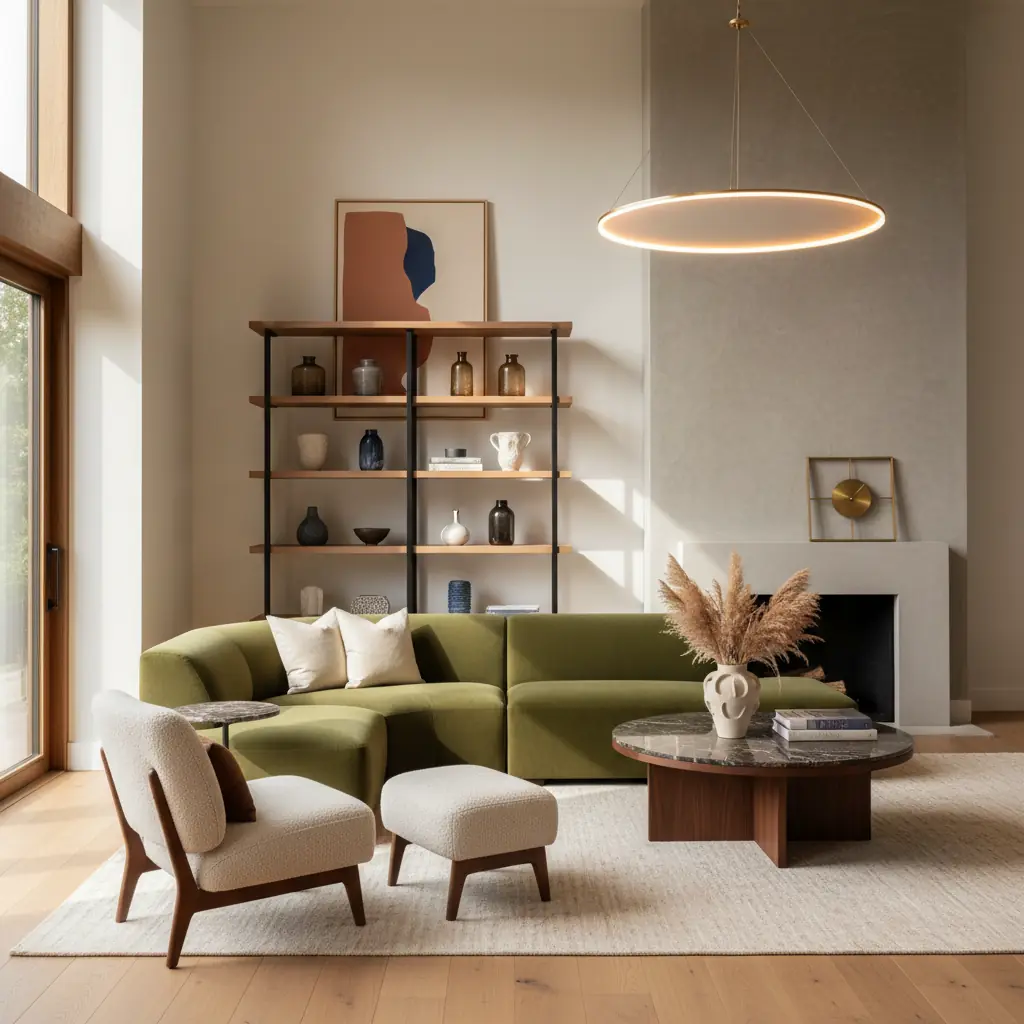
Por Que o Investimento Estratégico em Móveis Supera um Conjunto Combinando Completo?
O maior erro que as pessoas cometem ao comprar móveis é adquirir um conjunto completo e combinando de uma única loja a um preço intermediário. Essa abordagem geralmente resulta em um ambiente repleto de peças medíocres que envelhecem ao mesmo ritmo, sem individualidade e parecendo mais uma página de catálogo do que um lar vivido e curado. A estratégia mais inteligente e sustentável é investir em algumas peças-chave — os itens que você usa todos os dias ou que definem visualmente o ambiente de forma significativa — e economizar agressivamente em todo o resto.
Uma peça de investimento não é apenas um móvel caro; é uma compra estratégica onde a diferença de preço entre o barato e a qualidade se correlaciona diretamente com o conforto diário, a durabilidade ou o profundo impacto visual. Considere a métrica "custo por uso": um sofá de US$ 2.000 que você usa por 4 horas diárias durante dez anos pode custar menos por hora de uso do que um sofá de US$ 500 que cede em dois anos e precisa ser substituído precocemente. Concentre seu orçamento onde a qualidade se traduz em benefícios tangíveis e cotidianos e em valor de longo prazo. Essa abordagem curada não apenas cria um espaço mais único e personalizado, mas também apoia um estilo de vida mais sustentável, reduzindo o consumo e o desperdício associados aos 'fast furniture'. Na verdade, estudos mostram que investir em móveis de qualidade pode prolongar a vida útil do seu mobiliário em média de 5 a 10 anos, reduzindo significativamente sua pegada ambiental.
1. O Que Faz de um Sofá o Maior Investimento Âncora de um Ambiente?
Um sofá de qualidade é a peça central de qualquer sala de estar, projetado para durar de 10 a 15 anos ou até mais com os devidos cuidados. Em contraste, um sofá de construção barata pode começar a ceder, ranger e mostrar desgaste significativo em apenas 2 a 3 anos, tornando-o uma compra frustrante e, em última análise, mais cara. A faixa de investimento de US$ 1.500 a US$ 3.500 geralmente garante um sofá construído para durar.
**O que procurar:**
- **Estrutura:** Insista em uma estrutura de madeira maciça seca em estufa (por exemplo, maple, carvalho, bétula). A secagem em estufa remove a umidade, evitando empenamentos e rachaduras. Procure estruturas unidas com encaixes de espiga e mortise, cavilhas duplas ou blocos de canto colados e parafusados. Evite sofás com estruturas primárias de compensado, aglomerado ou metal — estes tendem a se deteriorar rapidamente. - **Almofadas:** Espuma de alta resiliência (HR) com densidade de 1.8+ lb/ft3 é ideal para almofadas de assento, frequentemente envolta em Dacron ou plumas para maior maciez. Essa combinação oferece excelente suporte e previne o afundamento prematuro. As almofadas do encosto podem usar uma espuma mais macia ou uma mistura de penas/plumas. - **Estofamento:** Tecidos de performance (como Sunbrella, Crypton, ou várias microfibras) oferecem resistência a manchas, desbotamento e desgaste, tornando-os perfeitos para residências ativas. Couro top-grain ou full-grain é outra excelente opção durável que envelhece lindamente. Evite couro bonded (um material fabricado que descasca) e tecidos delicados como linho para peças de alto tráfego. - **Sistema de Molas:** Procure um sistema de molas de 8 vias atadas à mão (o padrão ouro) ou molas sinuosas robustas (em forma de S). Estes fornecem suporte durável que não cederá.
**Marcas que valem a pena examinar nesta faixa:** Article, Interior Define, Burrow e Joybird para estilos modernos; Ethan Allen e Arhaus para estéticas mais tradicionais ou transicionais. Sempre que possível, teste os sofás pessoalmente. O apoio lombar e a profundidade do assento são preferências muito pessoais que as fotos não conseguem transmitir. Escolha uma cor neutra (cinza carvão, azul marinho, cinza quente, camelo) para uma longevidade atemporal, permitindo que você atualize facilmente a personalidade do seu ambiente com [ai color palette generator](/blog/ai-color-palette-generator) e almofadas que podem ser trocadas sazonalmente.
2. Por Que um Colchão de Alta Qualidade é Crucial para o Bem-Estar
Você passa aproximadamente um terço da sua vida no colchão, tornando-o, sem dúvida, a compra com o maior ROI em toda a sua casa. A faixa de investimento de US$ 800 a US$ 2.000 garante materiais de qualidade e uma construção projetada para um sono reparador e durabilidade a longo prazo.
**O que procurar:**
- **Materiais:** Látex natural oferece durabilidade, responsividade e respirabilidade excepcionais. Molas ensacadas individualmente proporcionam suporte direcionado e minimizam a transferência de movimento. Espumas certificadas (como CertiPUR-US) garantem que estão livres de produtos químicos nocivos. - **Garantia:** Uma garantia significativa (mais de 10 anos) é um forte indicador da confiança do fabricante em seu produto. - **Período de Teste:** Muitas marcas respeitáveis oferecem generosos períodos de teste em casa (por exemplo, 100 noites), permitindo que você realmente teste se o colchão é ideal para você.
Marcas como Casper, Saatva, WinkBed e Avocado consistentemente se destacam nesta faixa pela sua combinação de conforto, suporte e durabilidade. Não economize aqui — o sono consistente e de qualidade afeta literalmente todos os outros aspectos da sua saúde física e mental. Estudos mostraram que a má qualidade do sono pode diminuir a produtividade em até 30%, tornando um colchão de qualidade um investimento direto no seu desempenho e bem-estar diários.
3. Como Escolher uma Mesa de Jantar Que Dure Gerações
Uma mesa de jantar sólida não é apenas um lugar para comer; muitas vezes é o centro social da sua casa, recebendo refeições em família, celebrações e até sessões de trabalho. Investir de US$ 600 a US$ 2.000 garante uma peça que pode suportar o uso diário e permanecer bonita por décadas.
**O que procurar:**
- **Material:** Madeira maciça (carvalho, nogueira, maple, cerejeira) é o padrão ouro. Essas madeiras são densas, duráveis e podem ser restauradas várias vezes. Madeira engenheirada de qualidade com um folheado de madeira maciça espesso é uma boa alternativa, oferecendo estabilidade e a aparência da madeira maciça sem o custo mais elevado. - **Construção:** A mesa deve parecer pesada e estável. Examine as juntas — pernas robustas fixadas com parafusos ou juntas sólidas de espiga e mortise indicam qualidade. Oscilação é um sinal claro de má construção ou juntas fracas. - **Acabamento:** Um acabamento durável e multicamadas protegerá a madeira de derramamentos e arranhões. Acabamentos foscos ou semi-brilho tendem a ser mais tolerantes ao desgaste diário. - **Evite:** Mesas com núcleo de MDF (medium-density fiberboard) e uma fina camada de folheado. Estas são altamente suscetíveis a lascar, descascar e danos por água, muitas vezes deteriorando-se rapidamente com o uso regular.
West Elm, Article e Poly & Bark oferecem boas opções de médio alcance que equilibram estilo e durabilidade. Se o seu orçamento for apertado, considere o valor atemporal de uma mesa de madeira maciça vintage de um mercado de segunda mão por US$ 200-US$ 400. Estas muitas vezes possuem um acabamento superior às mesas novas abaixo de US$ 500 e carregam um caráter único.
4. Por Que uma Cadeira de Escritório Ergonômica é Essencial para Produtividade e Saúde
Se você trabalha em home office, mesmo que seja em regime parcial, uma cadeira de escritório de qualidade (US$ 400-US$ 800) não é uma indulgência, mas uma necessidade que se paga em dor nas costas evitada, postura melhorada e aumento do foco. Sentar-se por muito tempo em uma cadeira sem suporte pode levar a dores crônicas, que impactam a produtividade e a qualidade de vida geral.
**O que procurar:**
- **Ajustabilidade:** As principais características incluem suporte lombar ajustável (para se adequar à curva natural da sua coluna), ajuste de profundidade do assento (para garantir suporte adequado às pernas), ajuste de altura e largura dos braços, e tensão/trava de inclinação. - **Ergonomia:** A cadeira deve apoiar a curva S natural da sua coluna e permitir que seus pés fiquem planos no chão com os joelhos em um ângulo de 90 graus. - **Materiais:** Malha respirável ou estofamento de tecido de qualidade evita o acúmulo de calor e oferece conforto durante longas horas. Rodízios de alta qualidade e uma base estável também são cruciais.
As cadeiras Herman Miller Aeron, Steelcase Leap e Humanscale Freedom são amplamente consideradas os padrões ouro para design ergonômico. Embora novas, elas possam ser caras, você pode frequentemente comprá-las recondicionadas de revendedores confiáveis como BTOD ou Crandall Office com 40-60% de desconto no varejo, tornando-as um fantástico investimento de valor. Uma cadeira de escritório barata, sem dúvida, custará mais em visitas ao quiroprático em dois anos do que o investimento em uma cadeira verdadeiramente de suporte.
5. Como a Iluminação de Destaque Transforma a Atmosfera de um Ambiente
A iluminação é, sem dúvida, o investimento mais transformador em relação ao seu custo. Uma luminária pendente marcante (US$ 150-US$ 500) sobre uma mesa de jantar, ou um abajur de chão escultural (US$ 100-US$ 300) em uma sala de estar, eleva instantaneamente um espaço de genérico a intencional, adicionando profundidade, calor e um ponto focal.
**O que procurar:**
- **Impacto do design:** Escolha uma luminária com uma forma, material ou acabamento único que complemente o seu estilo interior. Deve ser uma peça de arte por si só. - **Qualidade da Luz:** Considere o tipo de lâmpada (LED para eficiência e longevidade), temperatura de cor (branco quente para aconchego, branco frio para áreas de trabalho) e compatibilidade com dimmer. - **Escala:** Certifique-se de que o tamanho da luminária é apropriado para o ambiente e para o mobiliário que ela ilumina. Uma luminária pendente grande demais pode ser uma declaração dramática, mas pequena demais pode se perder.
Marcas como Schoolhouse, Cedar & Moss e a coleção mid-century da West Elm oferecem designs duradouros que resistem ao teste do tempo. Em vez de distribuir seu orçamento de forma rasa entre três luminárias medíocres, invista em uma peça de destaque verdadeiramente impactante por ambiente. Utilize uma ferramenta de IA como Habitas para testar como diferentes posicionamentos de iluminação e estilos de luminárias afetam o humor e a funcionalidade de um ambiente antes de comprar, poupando você de adivinhações custosas e garantindo que sua visão se concretize sem problemas.
6. O Valor Duradouro de um Tapete de Área de Qualidade
Um tapete de área de qualidade (US$ 300-US$ 800 para um 8x10) faz mais do que apenas decorar; ele ancora móveis, adiciona calor, abafa o som e define zonas distintas em plantas abertas. É um pilar tátil e visual de um ambiente bem projetado.
**O que procurar:**
- **Material:** Tapetes de lã são o padrão ouro — são incrivelmente duráveis, naturalmente resistentes a manchas, retardadores de chama e luxuosos sob os pés. Juta e sisal oferecem textura natural para estilos específicos, mas podem ser menos macios. Misturas sintéticas de performance podem ser uma boa escolha para casas com alto tráfego ou com animais de estimação. - **Construção:** Tapetes feitos à mão são os mais duráveis e valiosos, durando gerações. Tapetes tufados à mão ou feitos à máquina são mais acessíveis, mas têm vida útil variável. Verifique a densidade do pelo e um forro resistente. - **Tamanho:** O tapete deve ser grande o suficiente para acomodar pelo menos as duas pernas dianteiras de todas as peças de mobiliário primárias (por exemplo, um sofá e poltronas em uma sala de estar) para ancorar adequadamente o espaço.
Rugs USA, Loloi e Ruggable (para excelente lavabilidade em ambientes de alto tráfego ou casas com animais de estimação) valem a pena explorar. Evite tapetes finos de poliéster ou polipropileno de baixo pelo que formam bolinhas, achatam e mostram desgaste em um ano, tornando-se uma monstruosidade em vez de um recurso. Estima-se que 60% dos consumidores se arrependem de comprar um tapete barato devido à sua rápida deterioração e incapacidade de resistir ao uso diário.
7. Escolhendo uma Cama Que Define o Estilo do Seu Quarto
Uma cama (US$ 400-US$ 1.200) é mais do que apenas uma estrutura de suporte para seu colchão; ela define o tom estético de todo o seu quarto. Uma estrutura bem escolhida eleva o espaço e proporciona uma sensação de permanência e estilo.
**O que procurar:**
- **Material e Construção:** Estruturas de madeira maciça ou metal de qualidade duram décadas, resistem a rangidos e oferecem suporte robusto. Procure por juntas robustas e uma base sólida para seu colchão. - **Durabilidade:** Evite camas com ripas frágeis que se movem ou plataformas com painéis finos de MDF que podem quebrar ou ceder com o tempo, comprometendo a integridade do seu colchão e a qualidade do seu sono. - **Estilo:** Considere como o estilo da estrutura (por exemplo, estofada, plataforma, trenó, dossel) complementa a estética desejada para o seu quarto. A cama é geralmente a maior peça de mobiliário e a primeira coisa que você vê no quarto, então sua presença visual importa desproporcionalmente. - **Armazenamento:** Algumas camas oferecem soluções de armazenamento integradas, o que pode ser um recurso valioso para quartos menores, mantendo o espaço livre de bagunça.
Ao planejar um [bedroom redesign cost breakdown](/blog/bedroom-redesign-cost-breakdown), lembre-se de que a estrutura da cama é um elemento fundamental que impacta tanto a estética quanto o conforto.
8. Por Que uma Estante Robusta é Tanto Armazenamento Quanto Uma Obra de Arte
Para estantes (US$ 200-US$ 600), opte por designs de madeira maciça ou estrutura de aço em vez de aglomerado ou laminado fino. Uma estante bem estilizada funciona tanto como armazenamento essencial quanto como uma instalação de arte pessoal, tornando-a uma das poucas peças funcionais que também serve como ponto focal em um ambiente.
**O que procurar:**
- **Resistência do Material:** Livros são pesados! As prateleiras precisam ser robustas o suficiente para evitar o afundamento com o tempo. Madeira maciça (pinho, carvalho) ou aço espesso revestido a pó são excelentes escolhas. - **Estabilidade:** Uma base larga e estável e possíveis opções de ancoragem na parede são cruciais, especialmente para unidades altas. - **design:** Considere prateleiras abertas para um visual minimalista, ou unidades com gavetas/armários integrados para armazenamento oculto. O estilo da estante deve estar alinhado com a estética geral da sua casa. - **Ajustabilidade:** Prateleiras ajustáveis oferecem versatilidade para exibir itens de várias alturas, desde livros de arte grandes até pequenos objetos decorativos.
Esta é uma oportunidade para expressar seus interesses e adicionar personalidade, exibindo sua coleção de livros, lembranças de viagem e objetos queridos.
9. A Poltrona de Destaque: Um Momento de design Que Eleva o Seu Espaço
Uma poltrona de destaque (US$ 300-US$ 800) adiciona um momento de design único que um conjunto de sofá combinando e coeso simplesmente não consegue alcançar. É uma oportunidade de introduzir interesse visual, um toque de cor ou uma silhueta intrigante, criando um interior mais rico e pensado.
**O que procurar:**
- **design e Forma:** Procure por formas interessantes, designs de pernas únicos ou uma combinação inesperada de materiais. É aqui que você pode realmente expressar mais personalidade — uma cor ousada ou uma silhueta distintiva na poltrona contrasta lindamente com um sofá neutro. - **Estofamento de Qualidade:** Assim como em um sofá, priorize tecidos ou couros duráveis e atraentes que resistirão ao uso ocasional. - **Construção Sólida:** Pressione os braços, verifique as pernas — a estrutura deve parecer sólida e estável, indicando boa manufatura. - **Conforto:** Embora possa não ser seu local principal de descanso, uma poltrona de destaque ainda deve ser confortável o suficiente para ler ou conversar.
Uma poltrona de destaque pode ser uma ferramenta poderosa para [awkward room shape solutions](/blog/awkward-room-shape-solutions) ao atrair o olhar e proporcionar uma zona funcional adicional.
10. Uma Cômoda de Qualidade: Além do Simples Armazenamento
Uma cômoda de qualidade (US$ 400-US$ 1.000) em madeira maciça substitui a onipresente IKEA MALM que todo mundo tem e instantaneamente confere ao seu quarto uma sensação adulta e acabada. É uma peça que combina armazenamento significativo com apelo estético.
**O que procurar:**
- **Material:** Madeira maciça (por exemplo, pinho, carvalho, mogno) é superior, oferecendo durabilidade e a capacidade de ser restaurada, se desejado. Compensado folheado pode ser um bom compromisso se o folheado for espesso e o núcleo for estável. - **Construção da Gaveta:** Procure por juntas tipo rabo de andorinha ou encaixes de dado nas caixas das gavetas, que são muito mais fortes e duráveis do que grampos simples ou cola. As gavetas devem deslizar suavemente em corrediças metálicas de extensão total. - **Ferragens:** Ferragens de qualidade (puxadores, alças) não apenas melhoram a estética, mas também resistem ao uso diário sem quebrar ou manchar. - **Acabamento:** Um acabamento durável e uniforme protege a madeira e resiste a arranhões.
### E Onde Economizar, em Vez Disso
Economizar agressivamente em itens não essenciais ou menos usados permite liberar orçamento para suas peças de investimento cruciais. Veja onde você pode cortar custos de forma inteligente sem comprometer seu design geral:
- **Mesas Laterais e Mesas de Centro:** Estas suportam pouco peso e sofrem desgaste mínimo em comparação com um sofá ou mesa de jantar. Achados de segunda mão, peças recicladas ou até mesmo opções estilosas da IKEA são perfeitamente adequadas aqui. Sua função é principalmente de suporte, não fundamental. - **Acessórios Decorativos:** Pense em mantas, pequenos vasos, porta-retratos e miudezas. Target, H&M Home, bazares de segunda mão e até lojas de R$1,99 oferecem opções elegantes e econômicas que podem ser trocadas frequentemente para renovar sua decoração. - **Almofadas Decorativas:** São excelentes para adicionar cor sazonal, textura e personalidade. Em vez de almofadas de grife caras, compre capas de varejistas acessíveis (por exemplo, Etsy, Amazon, H&M Home) e reutilize os enchimentos. Você pode trocá-las sazonalmente por US$ 50-US$ 100, alterando drasticamente o clima de um ambiente. - **Cortinas:** Embora boas cortinas possam elevar um ambiente, cortinas sob medida são uma despesa enorme. As cortinas de linho ou algodão da IKEA, a US$ 30-US$ 50 o par, muitas vezes parecem incrivelmente chiques e caras quando penduradas corretamente, bem altas e largas. Opções prontas de lugares como Wayfair ou Amazon também oferecem ótimo valor. - **Qualquer coisa em Quarto de Criança:** Crianças crescem, e seus gostos mudam rapidamente. Invista em itens básicos robustos e versáteis (como uma cômoda simples que pode ser adaptada para um quarto de adulto), mas economize em decoração da moda, mesas de brincar e outros itens que eles vão superar ou deixar de usar em poucos anos. - **Arte de Parede:** Arte original pode ser cara. Em vez disso, explore arte imprimível do Etsy, downloads digitais, pôsteres emoldurados ou crie suas próprias peças DIY. Lojas de segunda mão também são tesouros para arte emoldurada única.
Ao alocar estrategicamente seu orçamento, você cria um lar que é ao mesmo tempo bonito e funcional, repleto de peças que trazem alegria e conforto duradouros. Antes de fazer qualquer compra significativa, lembre-se que usar uma ferramenta de IA como Habitas para visualizar como uma peça ficará em seu ambiente específico leva apenas alguns minutos e pode evitar uma compra cara da qual você se arrependeria. Este simples passo pode economizar inúmeras horas e milhares de dólares em devoluções ou redesigns.
Perguntas Frequentes
### Como identificar móveis de qualidade se não sou um especialista?
Além das verificações específicas de material e construção, uma boa regra geral é confiar nos seus sentidos.
1. **Sinta o Peso:** Peças de qualidade são geralmente pesadas. Pegue ou tente mover um móvel; se parecer surpreendentemente leve ou frágil, é provável que seja feito com materiais de menor qualidade, como aglomerado. 2. **Examine o Acabamento:** Procure um acabamento uniforme e liso, sem gotejamentos, bolhas ou áreas ásperas. Na madeira, o veio deve ser visível e consistente. 3. **Verifique as Juntas:** Para peças de madeira, procure por juntas tradicionais como rabo de andorinha (para gavetas), encaixes de espiga e mortise, ou cavilhas. Evite grampos, pregos visíveis ou excesso de cola. 4. **Teste a Estabilidade:** Empurre, puxe e sente-se na peça. Ela deve parecer sólida, sem oscilações ou rangidos. As almofadas devem retornar rapidamente. 5. **Pesquise Marcas:** Familiarize-se com marcas conhecidas pela qualidade em sua faixa de preço. Avaliações online e fóruns de design de interiores podem ser recursos úteis.
### Qual a vida útil média de móveis de investimento de qualidade comparada às alternativas baratas?
A vida útil varia significativamente por peça e material. Um sofá de investimento de qualidade, feito com estrutura de madeira maciça seca em estufa e espuma de alta resiliência, pode durar de 10 a 15 anos, possivelmente mais. Um sofá barato, muitas vezes feito com compensado ou aglomerado e espuma de baixa densidade, pode durar apenas de 2 a 4 anos antes de apresentar afundamento significativo ou problemas estruturais. Da mesma forma, uma mesa de jantar de madeira maciça pode durar gerações, enquanto uma mesa de folheado sobre MDF pode mostrar desgaste severo ou danos em 5 anos. A diferença de custo inicial é frequentemente amortizada ao longo de um período muito mais longo, resultando em um "custo por ano" menor para peças de investimento.
### Ferramentas com IA, como o Habitas, realmente podem me ajudar a tomar melhores decisões de investimento em móveis?
Com certeza. Ferramentas de IA como Habitas são inestimáveis para visualizar como potenciais peças de investimento ficarão e se encaixarão em seu espaço existente _antes_ de você se comprometer com uma compra. Você pode carregar uma foto do seu ambiente e experimentar diferentes estilos, tamanhos e cores de móveis, vendo renderizações realistas. Essa capacidade reduz significativamente o risco de cometer erros caros devido a julgamentos equivocados de escala, cor ou impacto estético geral. Essencialmente, ela fornece uma consulta de design virtual em minutos, potencialmente economizando milhares em devoluções, taxas de reabastecimento ou custos de design profissional. Descubra mais sobre como isso funciona explorando [ai interior design how it works](/blog/ai-interior-design-how-it-works).
### Vale a pena investir em móveis de qualidade se eu moro de aluguel ou planejo me mudar frequentemente?
Mesmo que você alugue ou preveja se mudar, investir em móveis de qualidade pode ser uma decisão inteligente. Peças de alta qualidade são construídas para suportar melhor a desmontagem e remontagem do que móveis baratos, que frequentemente se degradam a cada mudança. Elas também mantêm seu valor melhor, o que significa que você pode muitas vezes revendê-las por uma parcela significativa do preço original se seu estilo mudar ou se você realmente precisar diminuir o tamanho. Além disso, investir em algumas peças-chave que você realmente ama pode fazer com que qualquer espaço temporário se sinta mais como "casa", melhorando seu conforto e bem-estar diários, independentemente da sua situação de moradia. Considere peças que são versáteis e podem se adaptar a diferentes layouts e estilos de ambiente, como um sofá atemporal ou uma mesa de jantar clássica.
### Quais são os erros comuns que as pessoas cometem ao tentar comprar móveis de investimento?
Um erro comum é confundir "caro" com "qualidade". Nem todo móvel com preço alto é feito para durar. Outro erro é negligenciar a pesquisa dos detalhes de construção (estrutura, juntas, estofamento para peças estofadas; tipo de madeira e acabamento para móveis de caixa). As pessoas muitas vezes priorizam a estética em detrimento do conforto ou da durabilidade, o que leva a peças bonitas, mas em última análise, impraticáveis. Por fim, não medir o espaço com precisão ou não visualizar a peça dentro de sua casa (onde o Habitas é útil!) pode levar a tamanhos inadequados e proporções desajustadas, transformando um investimento em uma compra lamentável. Ao focar em indicadores fundamentais de qualidade e utilizar ferramentas de visualização, você pode evitar essas armadilhas comuns.