Dominando o design de sala de estar Japandi: seu guia especializado para espaços serenos
Descubra os segredos de uma sala de estar Japandi que equilibra perfeitamente o zen japonês e o calor nórdico. Conheça móveis, materiais, cores e estilo para um lar sereno e intencional.
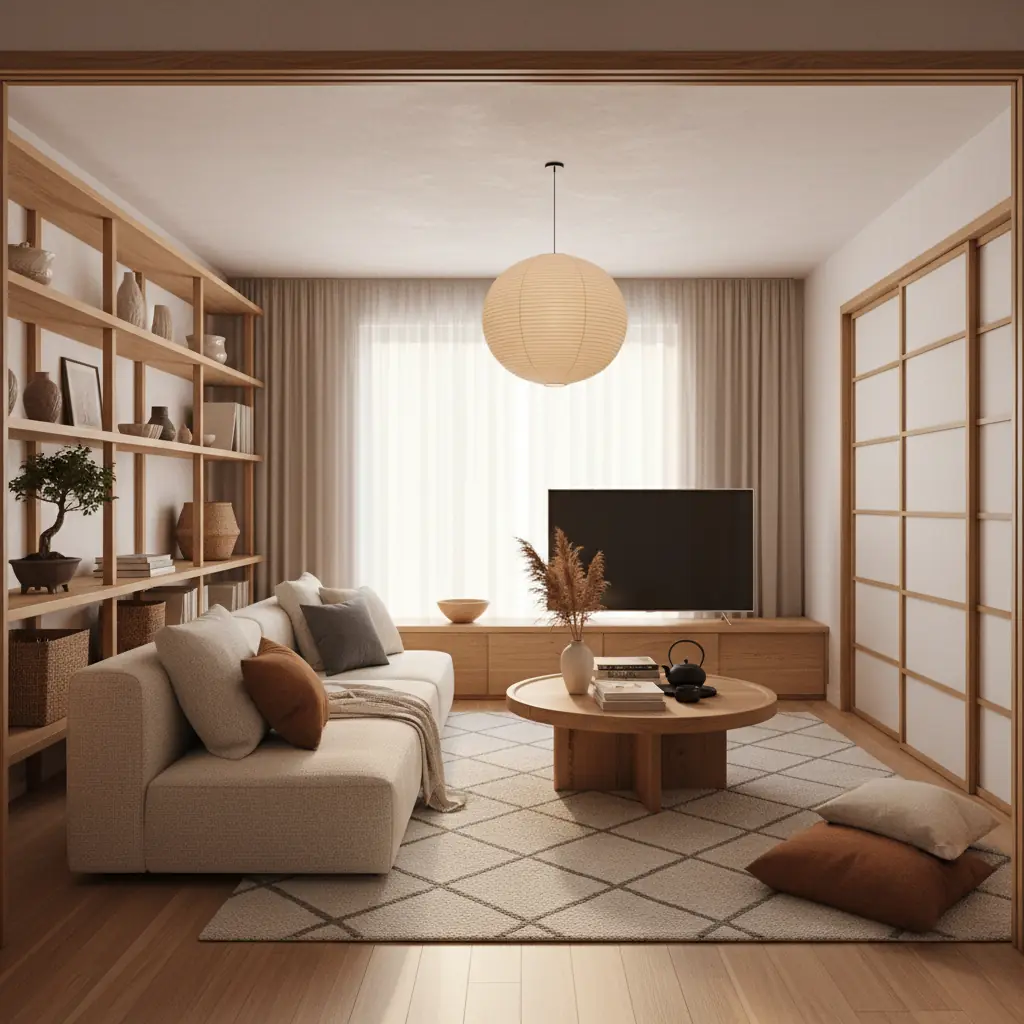
Japandi não é uma tendência — é uma filosofia para uma vida intencional
Em um mundo cada vez mais abarrotado, o apelo pela simplicidade e harmonia ressoa profundamente. Japandi, uma fusão ponderada da estética japonesa com os princípios do design Scandinavian, oferece exatamente isso. É mais do que apenas uma tendência passageira; é uma filosofia de design profunda enraizada na sabedoria cultural. Tanto o wabi-sabi japonês, que preza a beleza na imperfeição, quanto o hygge Scandinavian, que celebra o aconchego e o bem-estar, chegaram independentemente a conclusões profundas: menos é mais, a natureza é a designer definitiva, e uma vida intencional cultiva os espaços mais belos e acolhedores.
Uma sala de estar Japandi, portanto, transcende a mera decoração. É um santuário criado com propósito, onde cada objeto é conscientemente escolhido por sua utilidade, beleza e ressonância emocional. Igualmente importante, cada espaço vazio é um elemento deliberado do design, contribuindo para uma sensação de paz e abertura. Não se trata de regras rígidas, mas de cultivar um ambiente que apoie a calma, a reflexão e a conexão.
### As raízes filosóficas: Wabi-Sabi encontra Hygge
Para realmente entender o Japandi, devemos aprofundar suas filosofias fundamentais. Wabi-sabi, uma antiga visão de mundo japonesa, abraça a transitoriedade e a imperfeição. Encontra beleza nos processos naturais de envelhecimento, nas texturas irregulares de objetos feitos à mão e na dignidade silenciosa da decadência. Encoraja-nos a apreciar o desgastado, o imperfeito e o efêmero – um vaso rachado, um tecido desbotado ou o grão cru da madeira. Essa perspectiva fomenta a humildade e a contentamento com o que é.
Hygge, por outro lado, é um conceito dinamarquês e norueguês que descreve uma qualidade de aconchego e convívio confortável que gera uma sensação de contentamento ou bem-estar. Trata-se de criar uma atmosfera de calor, seja através de iluminação suave, têxteis macios ou o simples ato de compartilhar uma refeição com entes queridos. É uma experiência sensorial focada no conforto, alegria e uma sensação de segurança.
Quando essas duas filosofias se entrelaçam, surge uma sinergia poderosa. A reverência do wabi-sabi pela imperfeição natural fundamenta o calor do hygge na autenticidade, impedindo que se torne excessivamente polido ou superficial. Hygge, por sua vez, suaviza a austeridade do wabi-sabi com um aconchego convidativo, garantindo que o espaço minimalista permaneça acolhedor e habitável. A sala de estar Japandi torna-se um lugar onde a beleza é encontrada na honesta simplicidade dos materiais e no abraço confortável de um espaço bem-amado.
Qual é a paleta de cores ideal para uma sala de estar Japandi?
A paleta de cores Japandi é um exercício magistral de equilíbrio, existindo no espaço sereno entre claro e escuro. Diferente da sensação predominantemente clara e arejada frequentemente associada ao design puramente Scandinavian, ou dos tons às vezes mais escuros e melancólicos dos interiores tradicionais japoneses, o Japandi integra habilmente ambos. A abordagem se concentra em uma base neutra quente, enriquecida por toques escuros intencionais que ancoram o espaço e adicionam profundidade.
Imagine os tons suaves e reconfortantes de aveia ou branco quente adornando suas paredes, criando uma tela de tranquilidade. Contra isso, introduza elementos como um sofá grafite, uma poltrona em verde floresta profundo ou móveis de nogueira escura. Esses elementos mais escuros não são para dominar, mas para fornecer âncoras visuais e contraste sofisticado.
O princípio fundamental é que a paleta deve ser sempre suave e orgânica. Cores brilhantes, saturadas ou tons primários estão notavelmente ausentes. Cada matiz deve evocar elementos encontrados na natureza: o cinza suave de pedras de rio, o calor terroso do barro, a resiliência profunda do carvão, a sutil vibração do musgo ou a extensão clareada pelo sol da areia. Essa contenção natural garante um ambiente perpetuamente calmo e coeso. Habitas oferece um incrível [gerador de paleta de cores AI](/blog/ai-color-palette-generator) que pode ajudá-lo a experimentar essas combinações orgânicas diretamente nas fotos do seu cômodo, garantindo resultados harmoniosos.
### Camadas de neutros para profundidade
Alcançar profundidade em um espaço Japandi neutro envolve camadas cuidadosas. Comece com a cor primária da sua parede – um branco suave, um bege discreto ou um greige sutil. Em seguida, introduza têxteis com texturas variadas, mas em famílias de cores semelhantes. Uma cortina de linho creme pode complementar um tapete de lã off-white, enquanto uma manta de aveia tátil jogada sobre um sofá adiciona outra camada sutil. Essa estratificação monocromática, rica em textura, evita que o ambiente pareça plano ou estéril.
### Acentuações escuras estratégicas
Os toques escuros são cruciais para definir o espaço e adicionar sofisticação. Pense além do preto; grafite profundo, marrom expresso, verde oliva escuro ou até um índigo opaco podem servir a esse propósito lindamente. Esses toques podem se manifestar de várias maneiras:
- **Móveis:** Uma mesa de centro baixa de madeira escura ou um sofá estofado em um tecido escuro e texturizado. - **Arte e Decoração:** Arte minimalista emoldurada com linhas escuras, um vaso de cerâmica preta ou tigelas de madeira escura. - **Detalhes Arquitetônicos:** Caixilhos de janelas escuros, uma única parede de destaque em um tom terroso profundo (se o cômodo for grande o suficiente para suportar), ou vigas de madeira escura expostas.
A chave é a intencionalidade – cada elemento escuro deve parecer proposital, agindo como uma âncora visual sem sobrecarregar a sensação geral de calma.
Que tipo de mobiliário define uma sala de estar Japandi?
A seleção de móveis é, sem dúvida, um dos aspectos mais marcantes de uma sala de estar Japandi. O princípio orientador é claro: o perfil baixo é essencial. Inspirando-se fortemente nas casas tradicionais japonesas, onde a interação frequentemente ocorre mais próxima do chão, o Japandi traduz isso em móveis que ficam mais baixos do que as peças ocidentais típicas.
Imagine-se afundando em um sofá baixo que convida ao relaxamento, cercado por almofadas de chão que incentivam reuniões informais, e uma mesa de centro que fica mais próxima da altura dos joelhos do que da altura do quadril. Essa baixura deliberada não é apenas uma escolha estética; ela sutilmente muda sua perspectiva, fazendo o cômodo parecer mais expansivo, aterrado e inerentemente zen. Quanto mais perto da terra você se senta, mais conectado e calmo o espaço se sente.
Além da altura, a forma dos móveis é igualmente crucial. Escolha peças com curvas orgânicas em vez de ângulos agudos e abruptos. Bordas arredondadas em mesas, apoios de braço suavemente curvados em cadeiras e superfícies de madeira com grão natural são primordiais. Cada peça deve evocar uma sensação de ter sido moldada pela natureza – talvez desgastada suavemente pela água ou esculpida pelo vento – em vez de ter sido produzida em massa com precisão rígida. Materiais como freixo, carvalho claro ou nogueira escura, muitas vezes com acabamento fosco ou a óleo natural, são preferidos por sua beleza honesta e qualidade tátil. Estudos mostram que a incorporação de elementos naturais como madeira no design de interiores pode aumentar o bem-estar dos ocupantes em até 15%.
### Peças de mobiliário chave e suas características:
- **Sofás e Assentos:** Procure sofás modulares de perfil baixo com assentos profundos e linhas limpas. O estofamento deve ser feito em tecidos naturais e táteis como linho, algodão ou lã em cores suaves. Almofadas de chão e pufes adicionam opções flexíveis de assentos, enfatizando o conceito de viver no nível do chão. - **Mesas de Centro:** Opte por mesas baixas e resistentes, muitas vezes feitas de madeira maciça (nogueira, carvalho) ou até mesmo pedra natural. Elas podem apresentar cantos arredondados ou uma forma orgânica irregular. Considere mesas de centro em conjunto para versatilidade, mantendo uma pegada minimalista. - **Armazenamento:** O Japandi abraça o armazenamento oculto para manter um ambiente livre de desordem. Pense em aparadores elegantes, estantes minimalistas (usadas com moderação) e armários embutidos que se misturam perfeitamente com as paredes. O objetivo é manter os itens do dia a dia fora da vista, honrando o princípio do espaço negativo. - **Poltronas de Destaque:** Uma poltrona lindamente trabalhada em madeira curvada ou com um encosto simples de vime pode ser um elemento escultural. Certifique-se de que ela se alinhe com a estética de perfil baixo e curva orgânica. - **Camas (se aplicável):** Embora este artigo se concentre em salas de estar, o princípio do perfil baixo se estende a outras áreas. Camas de plataforma são um elemento Japandi essencial, reforçando a sensação de aterramento.
Ao selecionar móveis, considere o princípio da qualidade em detrimento da quantidade. Uma peça bem feita e durável que envelhecerá graciosamente alinha-se perfeitamente com o wabi-sabi. Ferramentas como a [ferramenta de arranjo de móveis AI da Habitas](/blog/ai-furniture-arrangement-tool) podem ajudá-lo a visualizar como diferentes peças de perfil baixo se encaixarão e fluirão no espaço real da sua sala de estar antes de fazer qualquer compra.
A arte do espaço vazio: Abraçando Ma
Ma (間) é o conceito japonês de espaço negativo, e é a força superlativa do Japandi. Não se trata meramente de vazio; trata-se da presença consciente e deliberada do espaço, onde a ausência de objetos é tão cuidadosamente projetada quanto os próprios objetos. Em uma sala de estar Japandi, 'Ma' é o parceiro silencioso, permitindo que todo o resto respire e brilhe verdadeiramente.
É aqui que muitas pessoas lutam intuitivamente com o design Japandi. O instinto de preencher cada parede, cada canto, cada superfície está profundamente enraizado em muitas tradições de decoração. No entanto, no Japandi, esse instinto deve ser conscientemente resistido. Deixe paredes parcialmente nuas. Permita amplo espaço entre as peças de mobiliário. O vazio em si torna-se um elemento ativo, criando pausas visuais que incentivam a contemplação e a calma.
Considere um exemplo simples: uma prateleira com três objetos lindamente escolhidos e cinco lugares vazios é profundamente mais Japandi do que uma prateleira abarrotada com quinze itens "curados". O espaço vazio ao redor de cada objeto amplifica sua presença, permitindo que sua forma, textura e história sejam plenamente apreciadas. Essa contenção deliberada cultiva uma sensação de tranquilidade e clareza, transformando um cômodo de uma coleção de coisas em uma experiência harmoniosa. É um exercício de edição consciente, onde menos se torna verdadeiramente mais impactante.
### Praticando Ma em sua sala de estar:
- **Livre-se da desordem implacavelmente:** Antes de mais nada, remova todos os itens desnecessários. Se um item não serve a um propósito claro ou não evoca um forte senso de beleza/alegria, ele não pertence ali. - **Posicionamento Estratégico:** Não empurre os móveis contra todas as paredes. Permita que as peças flutuem ou tenham espaços deliberados entre elas. Isso define caminhos de circulação e cria espaço para respirar. - **Arte de Parede:** Em vez de uma parede de galeria, escolha uma ou duas peças de arte impactantes que tenham bastante espaço em branco ao redor. Arte abstrata ou estampas inspiradas na natureza com cores suaves funcionam bem. - **Superfícies:** Mantenha mesas de centro e mesas laterais minimamente adornadas. Um vaso cuidadosamente escolhido, um livro ou uma única vela geralmente é suficiente. - **Caminhos Visuais:** Considere como seu olho viaja pelo cômodo. `Ma` ajuda a criar caminhos visuais claros e desobstruídos que levam a pontos focais, em vez de encontrar desordem visual a cada passo.
Por que materiais artesanais e naturais são essenciais no Japandi?
Na filosofia Japandi, a autenticidade e a conexão com a natureza são primordiais. Isso é lindamente expresso através da adoção de materiais artesanais e naturais em detrimento de suas contrapartes artificiais e produzidas em massa. A decoração produzida em massa, muitas vezes carente de alma ou caráter único, parece fundamentalmente errada em um contexto Japandi. Em vez disso, o foco se desloca para itens que carregam o toque das mãos humanas e a essência da terra.
Peças de cerâmica artesanais, com suas sutis imperfeições e esmaltes únicos, contam uma história. Vasos feitos à mão podem ter uma borda ligeiramente irregular ou uma impressão digital – estes não são falhas, mas marcadores de sua criação singular, ressoando com a apreciação do wabi-sabi pela imperfeição. Têxteis tecidos de fibras naturais como linho, lã, juta ou cânhamo oferecem texturas ricas e táteis que convidam ao toque e adicionam calor sem sobrecarregar o campo visual. Velas artesanais, feitas de ceras naturais, trazem um brilho sutil e reconfortante e, muitas vezes, um aroma natural.
Cada objeto deve parecer que alguém o fez – porque, idealmente, alguém fez. Isso infunde o espaço com um senso de história, artesanato e um luxo tranquilo que fala de qualidade e cuidado. A escolha de itens feitos à mão também se alinha com uma abordagem mais sustentável e consciente do consumo, conectando-nos aos criadores e aos materiais de uma maneira mais profunda. Mais de 60% dos consumidores globalmente priorizam o design sustentável e os materiais naturais ao tomar decisões de mobiliário doméstico, refletindo essa crescente apreciação pelo consumo consciente.
### Materiais e Texturas: Uma Sinfonia da Natureza
Além do aspecto artesanal, os próprios materiais fundamentais são essenciais. Japandi celebra uma apreciação honesta por texturas e acabamentos naturais.
- **Madeira:** Esta é a espinha dorsal do Japandi. Do freixo claro e bétula (influência Scandinavian) à nogueira e carvalho mais escuros (influência japonesa), a madeira é usada para móveis, pisos e detalhes decorativos. Procure por acabamentos foscos ou a óleo natural que permitam que o grão brilhe verdadeiramente, celebrando a beleza inerente do material. - **Pedra:** Pedras suaves como travertino, ardósia ou concreto polido podem ser incorporadas através de tampos de mesa de centro, tigelas decorativas ou até mesmo revestimentos de lareira. Sua presença fresca e aterradora equilibra o calor da madeira. - **Cerâmica:** Cerâmicas não esmaltadas ou com esmalte fosco em tons terrosos são perfeitas para vasos, cachepôs e louças. Sua sensação crua e orgânica se alinha perfeitamente com a estética wabi-sabi. - **Têxteis:** Linho, algodão, lã e juta são preferidos por sua textura natural e respirabilidade. Use-os para mantas, almofadas, tapetes e cortinas. Eles adicionam maciez e amortecimento acústico, contribuindo para o fator hygge. - **Papel:** Pense em biombos tradicionais japoneses de papel de arroz ou abajures que difundem a luz suavemente.
Iluminando a Serenidade: A Abordagem Japandi para a Iluminação
A iluminação desempenha um papel fundamental na formação do humor e da funcionalidade de uma sala de estar Japandi. Trata-se de criar uma atmosfera de calor suave e difuso, em vez de uma iluminação dura e brilhante.
- **Luz Natural Primeiro:** Maximize a luz natural sempre que possível. Mantenha os tratamentos de janela mínimos – talvez cortinas de linho transparentes ou nenhuma cortina, se a privacidade permitir. A interação suave da luz solar e da sombra ao longo do dia é um elemento chave da estética natural. - **Iluminação Artificial em Camadas:** Evite a iluminação superior dura como fonte principal. Em vez disso, concentre-se em camadas: - **Luz Ambiente:** Fornecida por luminárias de chão e de mesa com luz quente e difusa. Procure por abajures feitos de materiais naturais como papel de arroz, linho ou cerâmica. - **Luz de Tarefa:** Se você tem um canto de leitura, uma luminária de chão simples e elegante com um feixe focado é apropriada. - **Luz de Acento:** Pequenas luminárias de baixo nível ou até mesmo velas podem destacar características arquitetônicas específicas ou objetos decorativos, adicionando profundidade e intimidade. - **Luminárias Minimalistas:** As luminárias devem ser esculturais, mas discretas. Materiais como madeira, bambu, cerâmica ou metal fosco simples são ideais. O objetivo é que a própria luz seja o foco, não uma luminária excessivamente ornamentada. Pense nas icônicas luminárias Noguchi ou em pendentes de cerâmica simples e modernos.
Trazendo o Verde: Toques Biofílicos para um Espaço Japandi
A integração de plantas é uma extensão natural da reverência do Japandi pela natureza. No entanto, não se trata de criar uma selva interna; trata-se de adições pensadas e esculturais que realçam a sensação de calma e conexão com o exterior. Isso se alinha perfeitamente com os princípios do [design biofílico](/blog/biophilic-design-guide).
- **Seleção Consciente:** Escolha plantas com formas arquitetônicas marcantes ou folhagens simples e elegantes. Exemplos incluem: - **Ficus Lyrata (Fiddle Leaf Fig):** Por suas folhas grandes e dramáticas. - **Espada-de-São-Jorge (Sansevieria):** Por sua qualidade escultural e ereta. - **Bonsai:** Uma obra de arte viva, que incorpora paciência e beleza natural. - **Jiboia ou Filodendro:** Variedades pendentes podem suavizar linhas duras quando colocadas em uma prateleira alta. - **Samambaias:** Pela sua textura delicada e intrincada em um canto. - **Vasos Minimalistas:** O recipiente é tão importante quanto a própria planta. Opte por vasos em materiais naturais e terrosos como terracota sem esmalte, concreto, cerâmica fosca ou cestos de vime simples. Evite vasos excessivamente ornamentados ou de cores vibrantes. - **Posicionamento Estratégico:** Cada planta deve ter espaço para respirar e ser apreciada. Coloque uma única planta grande como ponto focal, ou agrupe algumas plantas menores em um arranjo deliberado que ainda permita o espaço negativo. As plantas devem realçar a sensação de `Ma`, não a diminuir.
Estilo e Decoração: A Edição Consciente
Estilizar uma sala de estar Japandi é um exercício de curadoria extrema. Cada item escolhido para exibição deve contribuir para a sensação geral de paz e intencionalidade. É aqui que o conceito de "menos é mais" realmente ganha vida.
- **Coleções Curadas:** Em vez de numerosos itens pequenos, selecione algumas peças significativas. Um único vaso de cerâmica lindamente trabalhado em uma mesa de centro, uma pilha de livros de arte esteticamente agradáveis ou uma bandeja de madeira simples com algumas velas artesanais. - **Arte:** A arte deve ser calma e contemplativa. Peças abstratas com cores suaves e discretas ou desenhos de linha minimalistas funcionam bem. Fotografia inspirada na natureza ou estampas sutis de paisagens também podem realçar a conexão biofílica. Emoldure a arte de forma simples, muitas vezes com um generoso passe-partout branco. - **Espelhos:** Espelhos estrategicamente colocados podem amplificar a luz natural e expandir a sensação de espaço, especialmente em salas de estar menores. Escolha espelhos sem moldura ou com molduras finas de madeira natural. - **Livros:** Se você gosta de livros, exponha-os com atenção. Uma pequena pilha selecionada em uma prateleira ou mesa de centro pode adicionar um toque pessoal, mas evite estantes transbordando. - **Acentos Têxteis:** Use mantas e almofadas para adicionar maciez e textura. Selecione materiais como linho, lã ou algodão em sua paleta de cores Japandi. Estes adicionam ao elemento hygge sem introduzir desordem visual.
Um redesenho completo da sala de estar pode variar de US$ 5.000 para uma renovação a mais de US$ 25.000 para uma reforma completa, mas as escolhas estratégicas do Japandi, focando na qualidade em vez da quantidade, podem ser surpreendentemente econômicas a longo prazo. Ao abraçar peças atemporais e materiais naturais, você investe em durabilidade e estilo duradouro.
Projetando sua sala de estar Japandi com Habitas
Dar vida à filosofia matizada do Japandi em sua própria sala de estar pode ser um empreendimento gratificante, mas complexo. Entender os princípios dos móveis de perfil baixo, paletas naturais, `Ma` e elementos feitos à mão é uma coisa; visualizá-los em seu espaço real é outra. É aqui que Habitas realmente brilha como um parceiro inestimável.
Nossa plataforma de design de interiores com inteligência artificial permite que você carregue fotos de sua sala de estar existente e explore inúmeras possibilidades de design Japandi. Com Habitas, você pode ver instantaneamente como diferentes layouts de móveis aderem à estética de perfil baixo, como várias paletas de cores orgânicas transformam o ambiente e, crucialmente, como o conceito de `Ma` afeta a amplitude geral. Habitas pode gerar dezenas de conceitos de salas de estar Japandi em meros minutos, um contraste marcante com os processos de design tradicionais que podem levar semanas e custar significativamente mais. Uma casa bem projetada pode aumentar seu valor percebido em 7-10%, e visualizar esse potencial com IA ajuda a garantir que seu investimento seja sólido.
Seja você lutando para encontrar o sofá baixo perfeito, experimentando toques de grafite ou tentando alcançar aquele delicado equilíbrio de espaço vazio, Habitas oferece [designs de cômodos gerados por IA realistas](/blog/ai-generated-room-designs-realistic) que respeitam a filosofia do vazio intencional e do calor orgânico. É como ter um designer de interiores sênior que entende Japandi, disponível 24 horas por dia, 7 dias por semana, pronto para dar vida à sua visão antes mesmo de você levantar um dedo. Experimente o futuro do design de interiores e comece a criar sua serena sala de estar Japandi hoje.
---
Perguntas Frequentes
### Qual a diferença entre Japandi e o design Scandinavian?
Embora tanto o design Japandi quanto o Scandinavian enfatizem o minimalismo, a funcionalidade e os materiais naturais, eles diferem em suas estéticas específicas e subtons filosóficos. O design Scandinavian (frequentemente associado ao hygge) tipicamente favorece tons de madeira mais claros, uma paleta de cores predominantemente branca ou neutra clara, e muitas vezes inclui toques de tons pastel ou cores mais brilhantes. Ele se inclina para uma sensação de leveza e conforto arejados. Japandi, por outro lado, é uma fusão. Ele incorpora elementos mais escuros e melancólicos da estética japonesa, usando uma paleta mais equilibrada de neutros quentes e acentos mais profundos como grafite e nogueira escura. Também dá uma ênfase maior ao wabi-sabi, abraçando a imperfeição e texturas cruas e orgânicas mais explicitamente do que o design Scandinavian típico. Móveis no estilo Japandi são frequentemente mais baixos, refletindo a tradição japonesa, enquanto os móveis Scandinavian podem variar em altura.
### Como consigo um visual Japandi com um orçamento limitado?
Conseguir um visual Japandi com um orçamento limitado é absolutamente possível, focando nos princípios centrais e em escolhas inteligentes. Priorize a organização e eliminação de desordem primeiro – isso não custa nada e é fundamental para o `Ma`. Para as cores, opte por tintas neutras acessíveis em brancos quentes, cinzas ou beges suaves. Em vez de móveis de designer caros, procure peças de perfil baixo feitas de materiais naturais como pinho ou freixo em lojas de segunda mão ou varejistas de baixo custo, e depois restaure-as com tintas foscas ou óleos naturais. Adote projetos DIY para elementos artesanais como vasos de cerâmica simples ou tapeçarias de parede tecidas. Use têxteis naturais como linho ou algodão para mantas e almofadas, que muitas vezes podem ser encontrados de forma acessível. Concentre-se em algumas peças chave e impactantes, em vez de muitos pequenos itens de decoração, e deixe que o espaço vazio seja seu elemento de design mais econômico.
### Que tipo de plantas são melhores para uma sala de estar Japandi?
Para uma sala de estar Japandi, as melhores plantas são aquelas com linhas limpas, formas esculturais e uma sensação de calma. Evite arranjos florais excessivamente volumosos ou vibrantes. Em vez disso, opte por plantas que se destacam por sua forma e beleza sutil, refletindo a estética minimalista. Excelentes escolhas incluem a **Espada-de-São-Jorge (Sansevieria)** por suas folhas eretas e arquitetônicas; a **Ficus Lyrata** por sua folhagem grande e marcante; **árvores Bonsai** por sua qualidade de arte viva e serena; ou a **Monstera Deliciosa** por suas folhas icônicas e perfuradas. Mesmo **Jiboias** ou **Filodendros** simples podem funcionar se colocados em um vaso de cerâmica minimalista e permitidos a cair elegantemente. A chave é o posicionamento estratégico e vasos simples e terrosos (terracota sem esmalte, concreto ou cerâmica fosca) que permitem que a própria planta seja o foco.
### Japandi funciona em uma sala de estar pequena?
Sim, o Japandi é excepcionalmente adequado para salas de estar pequenas, talvez até mais do que para espaços maiores. Seus princípios centrais de minimalismo, intencionalidade e `Ma` (espaço vazio) são inerentemente benéficos para fazer com que cômodos menores pareçam maiores e menos desordenados. Ao escolher móveis de perfil baixo, você abre o espaço vertical, fazendo o teto parecer mais alto. A paleta de cores neutra e terrosa também contribui para uma sensação de amplitude. Crucialmente, a ênfase na organização e no espaço negativo deliberado garante que cada item sirva a um propósito e tenha espaço para respirar, evitando a sensação de aperto frequentemente associada a cômodos pequenos. O uso estratégico de espelhos pode ainda realçar a sensação de espaço e luz. O Japandi incentiva ativamente a curadoria cuidadosa em vez do acúmulo, o que é ideal para maximizar o potencial de uma área compacta.