Armários de Cozinha: Revestir ou Substituir? Custos, Prós, Contras e Valor
Compare os custos de revestimento vs. substituição de armários de cozinha (R$ 4 mil a R$ 25 mil+), prazos, prós e contras. Descubra a melhor opção para o seu orçamento e objetivos de reforma da cozinha.
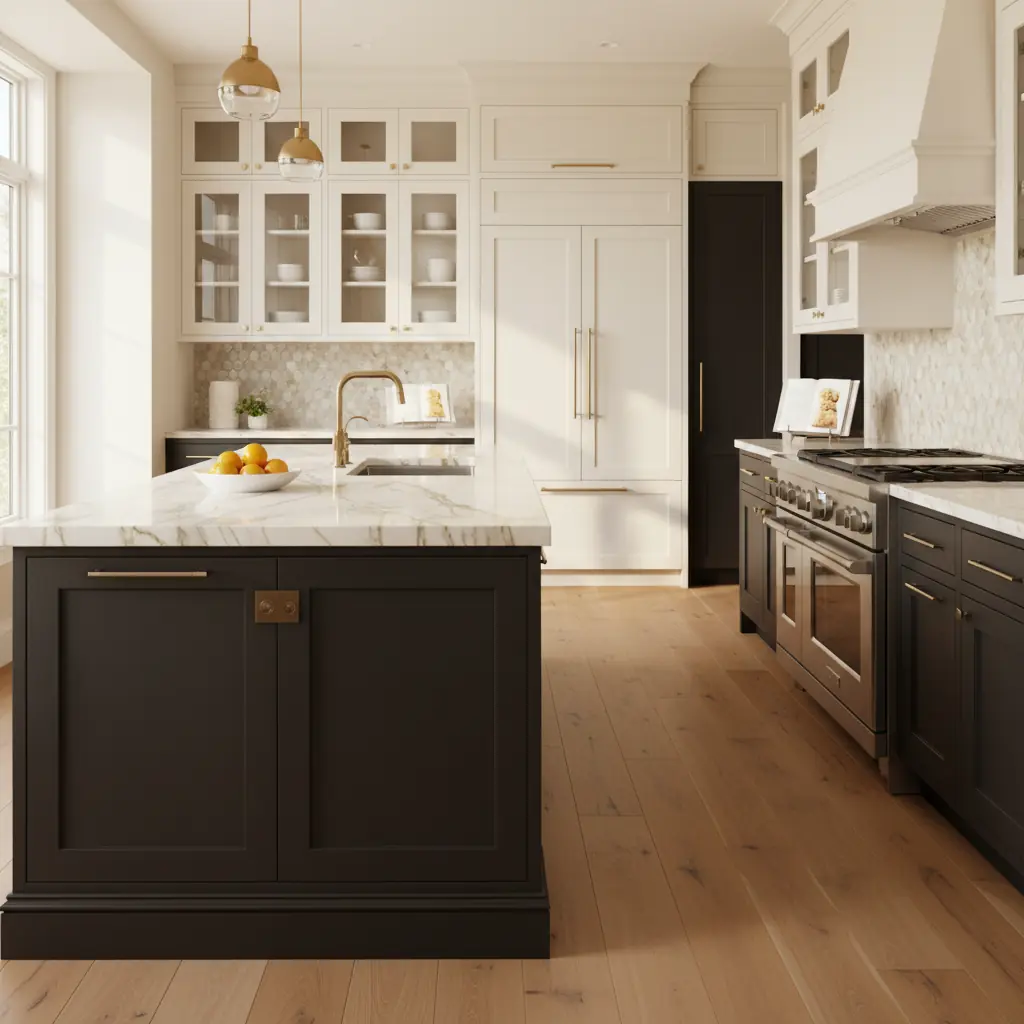
O que é o revestimento de armários de cozinha e o que ele envolve?
O revestimento de armários, também conhecido como recapeamento de armários, é uma reforma cosmética que confere aos seus armários de cozinha existentes uma aparência totalmente nova, sem a demolição e o custo significativos de uma substituição completa. O princípio central é preservar as caixas dos armários existentes – as estruturas montadas nas paredes – e substituir apenas os componentes externos visíveis.
Veja um detalhamento do que o processo geralmente envolve:
1. **Substituição de Portas e Frentes de Gaveta:** Todas as portas e frentes de gaveta existentes são removidas e substituídas por novas. Esta é a parte mais impactante da transformação, pois esses elementos definem em grande parte o estilo do armário. 2. **Aplicação de Lâmina (Veneer):** Uma fina camada de material novo, chamada lâmina (veneer), é aplicada diretamente sobre as estruturas expostas das caixas dos armários existentes. Esta lâmina é cuidadosamente cortada e aderida para combinar com as novas portas e frentes de gaveta, criando uma aparência uniforme e sem emendas. As lâminas podem ser feitas de vários materiais, incluindo: - **Termofólio:** Uma película de vinil durável aplicada com calor e pressão, oferecendo uma ampla gama de cores e estilos, muitas vezes com um preço mais baixo. - **Laminado:** Um material sintético que imita grãos de madeira ou cores sólidas, conhecido por sua durabilidade e facilidade de limpeza. - **Lâmina de Madeira:** Fatias finas de madeira real (por exemplo, maple, cerejeira, carvalho) que oferecem a aparência e o toque natural de armários de madeira maciça. 3. **Renovação de Ferragens:** Novas dobradiças são geralmente instaladas, muitas vezes atualizadas para incluir mecanismos de fechamento suave para uma sensação mais luxuosa. Corrediças de gaveta também podem ser substituídas ou aprimoradas. Finalmente, novos puxadores e maçanetas são instalados, transformando completamente a estética das ferragens. 4. **Atualizações Complementares:** Muitos proprietários optam por incluir melhorias adicionais durante o revestimento, como a adição de novos rodameios, perfis de iluminação ou acabamentos decorativos para elevar ainda mais o visual. Acessórios internos como prateleiras deslizantes ou organizadores de despensa também podem ser integrados.
Um projeto de revestimento típico custa entre R$ 4.000 e R$ 10.000 para uma cozinha de tamanho médio (20-30 pés lineares de armários). O preço varia de acordo com o material da porta — termofólio ou laminado ficam na extremidade inferior (R$ 4 mil-R$ 6 mil), portas de madeira maciça chegam a R$ 8 mil-R$ 10 mil. O prazo é geralmente bem rápido, muitas vezes concluído em 3 a 5 dias de trabalho no local. Isso significa que sua cozinha estará utilizável novamente em uma semana, minimizando a interrupção da sua vida diária. O revestimento profissional de armários custa tipicamente 30-50% menos do que a substituição completa de armários, oferecendo economias significativas sem comprometer um visual fresco e atualizado.
O resultado final pode parecer notavelmente semelhante a armários novos em folha. Com a escolha certa de materiais e instalação profissional, a maioria dos convidados não será capaz de notar a diferença entre armários revestidos e recém-instalados, especialmente se você também atualizar as ferragens, adicionar dobradiças de fechamento suave e instalar iluminação sob os armários.
Quando o revestimento de armários é a escolha inteligente para sua cozinha?
O revestimento é uma opção de reforma altamente estratégica, mas nem sempre é a escolha certa. Ele faz mais sentido em cenários específicos onde suas vantagens realmente se destacam.
### Suas Caixas de Armário Estão Estruturalmente Sólidas
Esta é a regra de ouro do revestimento. Antes mesmo de considerar a estética, você deve inspecionar minuciosamente as caixas dos seus armários existentes. Abra vários armários aleatórios, especialmente os que ficam debaixo da pia, perto da lava-louças ou em áreas de alto tráfego. Procure por:
- **Nenhum dano visível por água:** Aglomerado inchado, descolorido ou esfarelento (especialmente comum em armários antigos feitos deste material) é um sinal de alerta. Danos por água frequentemente levam a mofo e fraqueza estrutural. - **Sem mofo persistente ou cheiros de mofo:** Isso pode indicar problemas ocultos de umidade ou mofo. - **Prateleiras sólidas e estáveis:** Se suas prateleiras cederem significativamente sob cargas normais ou parecerem frágeis, a construção da caixa pode estar comprometida. - **Caixas firmemente presas às paredes:** Armários se desprendendo da parede indicam potenciais problemas de instalação ou fadiga estrutural. - **Juntas intactas:** Verifique os cantos e as juntas das caixas dos armários. Elas estão apertadas e quadradas, ou estão se separando?
Se suas caixas existentes de compensado ou aglomerado estiverem sólidas, secas e não mostrarem sinais de delaminação ou empenamento, elas provavelmente têm muita vida útil restante. Muitas caixas de armário de qualidade, dos anos 80 em diante, foram construídas para durar 30-50 anos, mesmo que suas portas agora pareçam severamente datadas.
### Você Está Satisfeito(a) com o Layout Atual da Sua Cozinha
O revestimento é fundamentalmente uma atualização cosmética. Funciona melhor quando você está perfeitamente satisfeito(a) com a pegada e a organização atuais da sua cozinha. Se você não precisa:
- Mover a pia ou o fogão para um novo local - Adicionar uma ilha ou expandir uma existente - Reconfigurar as fileiras de armários (por exemplo, estender armários até o teto, adicionar despenseiros) - Derrubar paredes para abrir o espaço - Criar mais espaço de bancada deslocando eletrodomésticos
...então não há razão para demolir caixas perfeitamente funcionais. O revestimento permite que você faça uma transição suave de, digamos, carvalho cor de mel dos anos 90 para um estilo shaker moderno branco ou azul-marinho em menos de uma semana, sem a poeira, detritos, desconexões de encanamento ou trabalho elétrico que acompanham uma demolição completa.
### O Orçamento é o Principal Fator Para Sua Reforma
Para muitos proprietários, o orçamento é a razão mais comum e convincente para escolher o revestimento. Se o seu orçamento total de reforma da cozinha estiver na faixa de R$ 15.000 a R$ 20.000, gastar R$ 6.000 em revestimento profissional (em vez de R$ 18.000+ em novos armários) deixa fundos substanciais para outras melhorias críticas que realmente afetam a vida diária e o conforto. Isso permite alocar dinheiro para:
- Bancadas de melhor qualidade (quartzo ou pedra natural vs. laminado) - Um novo e deslumbrante backsplash - Eletrodomésticos atualizados e energeticamente eficientes - **Design** de iluminação aprimorado - Novo piso
A cozinha é um sistema, e os armários são apenas um componente. Otimizar seu orçamento em todos os elementos garante uma reforma coesa e impactante. Proprietários que escolhem o revestimento relatam uma taxa de satisfação média de mais de 85% com suas cozinhas atualizadas, muitas vezes elogiando a rapidez e a relação custo-benefício da transformação. Ferramentas com tecnologia de IA podem até ajudar você a visualizar diferentes estilos e acabamentos no layout existente da sua cozinha, tornando o processo de decisão muito mais suave. Por exemplo, [ferramentas com tecnologia de IA podem até ajudar você a visualizar diferentes estilos e acabamentos](/blog/ai-generated-room-designs-realistic) no layout existente da sua cozinha, tornando o processo de decisão muito mais suave.
Quando você deve considerar a substituição completa dos armários de cozinha?
Embora o revestimento ofereça um valor incrível, há cenários definitivos onde demolir e substituir seus armários não é apenas aconselhável, mas necessário.
### Suas Caixas de Armário Estão Comprometidas
Este é o fator mais crítico. Se as caixas dos seus armários existentes mostrarem sinais significativos de falha estrutural, revesti-las seria um investimento míope e potencialmente um desperdício. Procure por:
- **Danos visíveis ou ocultos por água:** Aglomerado inchado e delaminado, especialmente sob pias ou perto de lava-louças, indica uma estrutura comprometida. Isso pode levar a mofo, pragas e, eventualmente, ao colapso total. - **Infestação de mofo ou pragas:** Se você encontrar crescimento de mofo ou sinais de pragas (como formigas carpinteiras ou cupins) dentro das caixas dos armários, a substituição é essencial para garantir uma cozinha saudável e segura. - **Prateleiras cedendo ou estruturas empenadas:** Se as próprias caixas dos seus armários estiverem visivelmente empenando, torcendo ou tiverem prateleiras que cedem severamente, elas perderam sua integridade estrutural. - **Caixas se desprendendo das paredes:** Isso pode indicar instalação inadequada ou fixadores deteriorados e muitas vezes requer remediação profissional, o que pode se estender à substituição completa.
Revestir caixas danificadas é como pintar uma cerca podre — fica bom por seis meses, mas o problema subjacente inevitavelmente virá à tona, levando a reparos mais caros no futuro.
### Você Está Mudando Significativamente o Layout da Cozinha
Se o layout atual da sua cozinha simplesmente não funciona para o seu estilo de vida, nenhuma quantidade de revestimento cosmético irá corrigir suas falhas fundamentais. A substituição completa é necessária se você estiver planejando alguma destas grandes mudanças de layout:
- **Adicionar ou expandir uma ilha:** Isso geralmente exige o redirecionamento de encanamento ou fiação elétrica, o que novas caixas de armário podem acomodar mais facilmente. - **Mover grandes eletrodomésticos:** Realocar sua geladeira, fogão ou pia exigirá novas configurações de armários para suportá-los e integrar o encanamento/eletricidade. - **Derrubar paredes:** Criar um espaço de conceito aberto removendo paredes quase sempre exige novas fileiras de armários para preencher a área expandida. - **Mudar a forma da cozinha:** Converter uma cozinha corredor para um formato em "L" ou "U", ou expandir uma cozinha pequena para um espaço adjacente, demanda caixas de armário inteiramente novas, projetadas para o novo layout. - **Adicionar recursos personalizados:** Armários despensa embutidos, garagens de eletrodomésticos ou armários de tamanho personalizado para preencher espaços únicos são melhor alcançados com caixas novas e feitas sob medida.
O revestimento funciona apenas com a pegada existente. Qualquer desejo de mudar a "estrutura" da sua cozinha significa que a substituição completa é o caminho a seguir.
### Você Deseja Maior Qualidade ou Recursos Específicos
A substituição completa também abre as portas para aprimorar a qualidade geral, a construção e a personalização dos seus armários. Os níveis de qualidade dos armários impactam significativamente o custo, a durabilidade e os recursos:
- **Armários de Linha (R$ 8 mil-R$ 14 mil):** Pré-fabricados em tamanhos padrão, facilmente disponíveis em grandes lojas. Estilos e acabamentos limitados, mas a opção nova mais econômica. - **Armários Semi-Personalizados (R$ 12 mil-R$ 20 mil):** Oferecem mais opções de tamanhos, acabamentos e acessórios do que os armários de linha. São construídos após a realização do pedido, permitindo alguma personalização. - **Armários Personalizados (R$ 18 mil-R$ 40 mil+):** Construídos especificamente para sua cozinha, oferecendo flexibilidade de **design** ilimitada, tamanhos únicos, materiais premium e recursos sob medida. Estes proporcionam a mais alta qualidade de construção e acabamento, mas vêm com o preço mais alto e os prazos de entrega mais longos.
O prazo para a substituição completa é significativamente mais longo do que para o revestimento: espere de 2 a 4 semanas para a instalação após um prazo de produção dos armários de 3 a 8 semanas. Durante a instalação, sua cozinha fica efetivamente inutilizável – planeje pedir comida ou ter uma estação de cozimento temporária. Embora uma reforma completa da cozinha tenha um ROI médio de 52-56% nacionalmente, a atualização de armários datados, mas funcionais, através do revestimento, pode frequentemente gerar um valor percebido mais alto por um custo inicial menor. No entanto, uma substituição completa bem executada pode oferecer um aumento mais significativo no valor da casa se a cozinha existente for realmente disfuncional ou severamente desatualizada.
Utilizar um [aplicativo de design de interiores com inteligência artificial](/blog/ai-interior-design-apps-compared-2026) como o Habitas pode acelerar drasticamente a fase de **design**, permitindo que você experimente diferentes layouts e estilos de armários em uma fração do tempo que levaria com métodos tradicionais. Isso garante que o investimento substancial em novos armários realmente entregue o resultado que você está imaginando.
Explorando opções de transformação de armários Faça Você Mesmo para proprietários com orçamento limitado
Se o ponto de entrada de R$ 4.000 para o revestimento profissional ainda for muito alto, existem caminhos credíveis e econômicos de "faça você mesmo" para transformar seus armários de cozinha. Essas opções exigem tempo significativo, esforço meticuloso e disposição para aprender, mas podem produzir resultados surpreendentemente profissionais por uma fração do custo.
### Pintura de Armários Faça Você Mesmo
Pintar seus armários é o caminho DIY mais acessível e popular. Um galão de tinta de alta qualidade para armários (como Benjamin Moore Advance, Sherwin-Williams Emerald Urethane Trim Enamel ou Fusion Mineral Paint) custa R$ 55-R$ 75 e pode cobrir mais de 20 portas.
O segredo, no entanto, é a preparação. Uma preparação apressada é a principal razão pela qual os trabalhos de pintura de armários feitos por conta própria parecem amadores e falham prematuramente. O processo exige atenção meticulosa aos detalhes:
1. **Desengorduramento:** Armários acumulam gordura e sujeira. Use um desengordurante forte (como TSP ou um limpador de armários específico) para limpar completamente todas as superfícies. 2. **Lixamento:** Lixe levemente todas as superfícies com lixa de grão 120-180. Isso cria uma "base" para o primer aderir. Não pule esta etapa! 3. **Aplicação de Primer:** Aplique um primer de alta qualidade (por exemplo, Zinsser B-I-N Shellac-Based Primer ou Kilz Adhesion) para garantir que a tinta adira, especialmente em superfícies lisas ou previamente acabadas. Duas camadas finas são geralmente melhores do que uma espessa. 4. **Pintura:** Aplique duas (ou às vezes três) camadas finas da tinta escolhida para armários. Permita um tempo de secagem adequado entre as camadas, muitas vezes 24 horas.
Reserve R$ 200-R$ 400 para um trabalho completo de pintura DIY (tinta, primer, lixa, pincéis de alta qualidade, pequenos rolos de espuma, fita crepe, lonas de proteção). O investimento de tempo é substancial: 3 a 5 dias completos distribuídos em dois fins de semana, considerando os tempos de secagem. Para o melhor acabamento, remova todas as portas e gavetas, rotule tudo cuidadosamente e pinte-as deitadas sobre cavaletes em uma garagem ou oficina bem ventilada. A pintura por spray com um pulverizador HVLP (High Volume Low Pressure) de R$ 50-R$ 100 pode dar o acabamento mais suave e semelhante ao de fábrica, mas exige prática e uma área de pulverização dedicada e livre de poeira. Um trabalho de pintura de armários DIY de qualidade pode economizar aos proprietários mais de R$ 3.500 em comparação com o revestimento profissional, sendo o investimento principal tempo e esforço meticuloso.
### Substituição Apenas das Portas Enquanto Pinta as Estruturas Frontais
Esta opção oferece um meio-termo entre a pintura DIY completa e o revestimento profissional. Ela aborda os componentes mais visíveis e definidores de estilo (as portas), enquanto permite que você lide com a tarefa menos intricada de pintar as estruturas frontais dos armários por conta própria.
Empresas como Cabinet Door World, Barker Door, ou até mesmo marcenarias locais, vendem portas e frentes de gaveta de armários inacabadas em tamanhos padrão e vários estilos (shaker, lisas, com painel elevado). Os preços geralmente variam de R$ 20 a R$ 60 por porta, dependendo do material e do estilo.
A chave aqui é a **medição precisa**. Os tamanhos das portas dos armários variam de fabricante e época, então meça cada porta e frente de gaveta várias vezes. Você também precisará decidir se deseja novas dobradiças (dobradiças com fechamento suave são altamente recomendadas e relativamente baratas). Assim que as novas portas chegarem, você as pinta junto com as estruturas frontais dos armários existentes. Isso proporciona um resultado quase profissional por R$ 800-R$ 1.500 mais sua mão de obra, oferecendo uma atualização significativa em estilo e sensação.
Não se esqueça do poder das novas ferragens! Mesmo com apenas uma pintura, trocar puxadores e maçanetas antigos e manchados por modernos pode refrescar dramaticamente a estética da sua cozinha por R$ 100-R$ 300.
Tomando a decisão informada: uma estrutura prática para seus armários de cozinha
Decidir entre revestir e substituir os armários da sua cozinha é um investimento significativo, tanto em termos de dinheiro quanto de tempo. Para ajudar você a navegar nesta escolha, aqui está uma estrutura prática e passo a passo:
1. **Avalie a Integridade Estrutural Primeiro:** Isso não é negociável. - Abra cinco armários aleatórios, prestando muita atenção aos que estão sob as pias, ao lado das lava-louças e em áreas de alto tráfego. - Inspecione qualquer sinal de dano por água (inchaço, descoloração), pontos moles, cheiro persistente de mofo ou prateleiras instáveis. - Se mais de duas ou três caixas de armário mostrarem comprometimento significativo, incline-se fortemente para a substituição completa. Revestir caixas comprometidas é jogar dinheiro fora.
2. **Avalie Sua Satisfação com o Layout:** - Pergunte-se honestamente: "Estou realmente satisfeito(a) com o fluxo e a funcionalidade do layout atual da minha cozinha?" - Você constantemente deseja que a geladeira estivesse em outro lugar, ou que tivesse mais espaço de bancada em uma área específica? - Se você se pegar dizendo: "Gostaria de poder mover isso..." ou "realmente precisamos adicionar aquilo...", o revestimento não resolverá esses problemas fundamentais de layout. Estes são indicadores claros para a substituição completa. - Se o layout funciona bem, mas a estética está datada, o revestimento é um forte candidato.
3. **Faça as Contas do Orçamento (Holisticamente):** - Obtenha orçamentos detalhados tanto para o revestimento quanto para a substituição completa. - Em seguida, considere o sistema da cozinha _inteira_. Se o revestimento por R$ 6.000 mais novas bancadas por R$ 4.000, um novo backsplash por R$ 2.000 e eletrodomésticos atualizados por R$ 5.000 totalizam R$ 17.000 e lhe dão 90% do que você deseja, essa é uma reforma muito econômica. - Compare isso com gastar R$ 20.000 em novos armários (o que pode ser o limite inferior para boa qualidade), deixando você sem nada para bancadas, backsplash ou eletrodomésticos. Uma cozinha funcional e bonita exige atenção a todos os seus componentes, não apenas aos armários. - Para aqueles que consideram uma reforma completa, explorar como o [**design** de interiores com IA pode ajudar a comparar custos](/blog/ai-interior-design-vs-hiring-cost) com **designers** tradicionais também pode ser benéfico.
4. **Considere Seus Planos Futuros e o Valor de Revenda:** - Você planeja vender sua casa nos próximos 1-3 anos, ou esta é sua casa para sempre? - Se for vender em breve, o revestimento oferece um excelente retorno sobre o investimento, proporcionando um visual fresco e atualizado que atrai compradores sem capitalizar em excesso. - Se você planeja morar lá por muitos anos, investir em armários novos e de maior qualidade para um espaço completamente redesenhado pode valer o custo extra para seu desfrute a longo prazo. - Embora uma reforma completa da cozinha geralmente ofereça um ROI médio nacional de 52-56%, o revestimento estratégico pode frequentemente entregar um valor percebido mais alto em relação ao seu custo menor, tornando-o uma opção atraente para vendedores.
5. **Visualize Antes de Se Comprometer:** - Antes de embarcar em qualquer reforma importante, visualize suas ideias com ferramentas como Habitas para garantir que suas escolhas de **design** estejam alinhadas com sua visão e orçamento. Carregue uma foto de sua cozinha atual e experimente diferentes estilos, cores e acabamentos de armários. - Se você está lutando com o fluxo do ambiente ou problemas de layout que novos armários sozinha não resolverão, uma [ferramenta de arranjo de móveis com IA](/blog/ai-furniture-arrangement-tool) pode ajudar a otimizar seu espaço antes de se comprometer com uma reforma cara.
Em última análise, a melhor escolha depende de uma avaliação cuidadosa da condição atual da sua cozinha, dos seus objetivos de **design**, do seu orçamento e dos seus planos de longo prazo. Com as informações certas, você pode tomar uma decisão confiante que traga nova vida e funcionalidade ao coração da sua casa.
Perguntas Frequentes
### Quanto custa tipicamente o revestimento de armários em comparação com a substituição?
O revestimento profissional de armários para uma cozinha média geralmente custa entre R$ 4.000 e R$ 10.000. Isso é significativamente menos do que a substituição completa de armários, que pode variar de R$ 8.000 para armários de linha até R$ 25.000 ou mesmo R$ 40.000+ para opções semi-personalizadas ou personalizadas. Em média, o revestimento custa 30-50% menos que a substituição, tornando-o uma maneira econômica de atualizar a aparência da sua cozinha.
### Quanto tempo leva o revestimento de armários em comparação com a substituição completa?
O revestimento de armários é um processo muito mais rápido. O trabalho no local para o revestimento geralmente leva de 3 a 5 dias, o que significa que sua cozinha normalmente estará totalmente funcional novamente em uma semana. A substituição completa de armários, no entanto, envolve um cronograma mais longo. Após um prazo de produção dos armários de 3 a 8 semanas, o processo de instalação em si pode levar de 2 a 4 semanas, durante o qual sua cozinha pode ficar em grande parte inutilizável.
### Posso mudar o layout da minha cozinha ou adicionar uma ilha com o revestimento de armários?
Não, o revestimento de armários não permite alterações no layout da sua cozinha. O revestimento envolve manter as caixas dos seus armários existentes em suas posições atuais. Se você deseja mover eletrodomésticos, adicionar uma ilha, reconfigurar as fileiras de armários ou fazer quaisquer mudanças estruturais na pegada da sua cozinha, você precisará optar pela substituição completa dos armários.
### Que tipos de acabamentos e materiais estão disponíveis para o revestimento de armários?
O revestimento de armários oferece uma ampla variedade de acabamentos e materiais para escolher. As opções comuns para novas portas, frentes de gaveta e lâminas incluem:
- **Termofólio:** Uma película de vinil durável e acessível, disponível em muitas cores e estilos (por exemplo, cores sólidas, grãos de madeira). - **Laminado:** Um material sintético conhecido por sua resistência a arranhões e umidade, também disponível em vários padrões e cores. - **Lâmina de Madeira:** Folhas finas de madeira real (como maple, carvalho, cerejeira) que proporcionam a aparência e o toque autênticos de armários de madeira maciça, muitas vezes tingíveis para combinar com a estética desejada. - **Madeira Maciça:** Para um visual premium, você pode escolher novas portas e frentes de gaveta feitas de madeira maciça.
### O revestimento de armários é um bom investimento para o valor de revenda da casa?
Sim, o revestimento de armários pode ser um excelente investimento para o valor de revenda da casa, especialmente se seus armários atuais forem funcionais, mas datados. Ele oferece uma estética fresca e moderna que atrai potenciais compradores sem o custo mais alto e a interrupção de uma reforma completa. Embora uma reforma completa da cozinha tenha um ROI médio nacional de 52-56%, o revestimento pode oferecer um forte retorno em relação ao seu custo inicial mais baixo, tornando-o atraente para aqueles que buscam vender em um futuro próximo.