Scandinavian vs. Japandi: Descubra o Seu Estilo de design Minimalista Ideal
Compare dois dos estilos de design minimalista mais populares e encontre o seu.
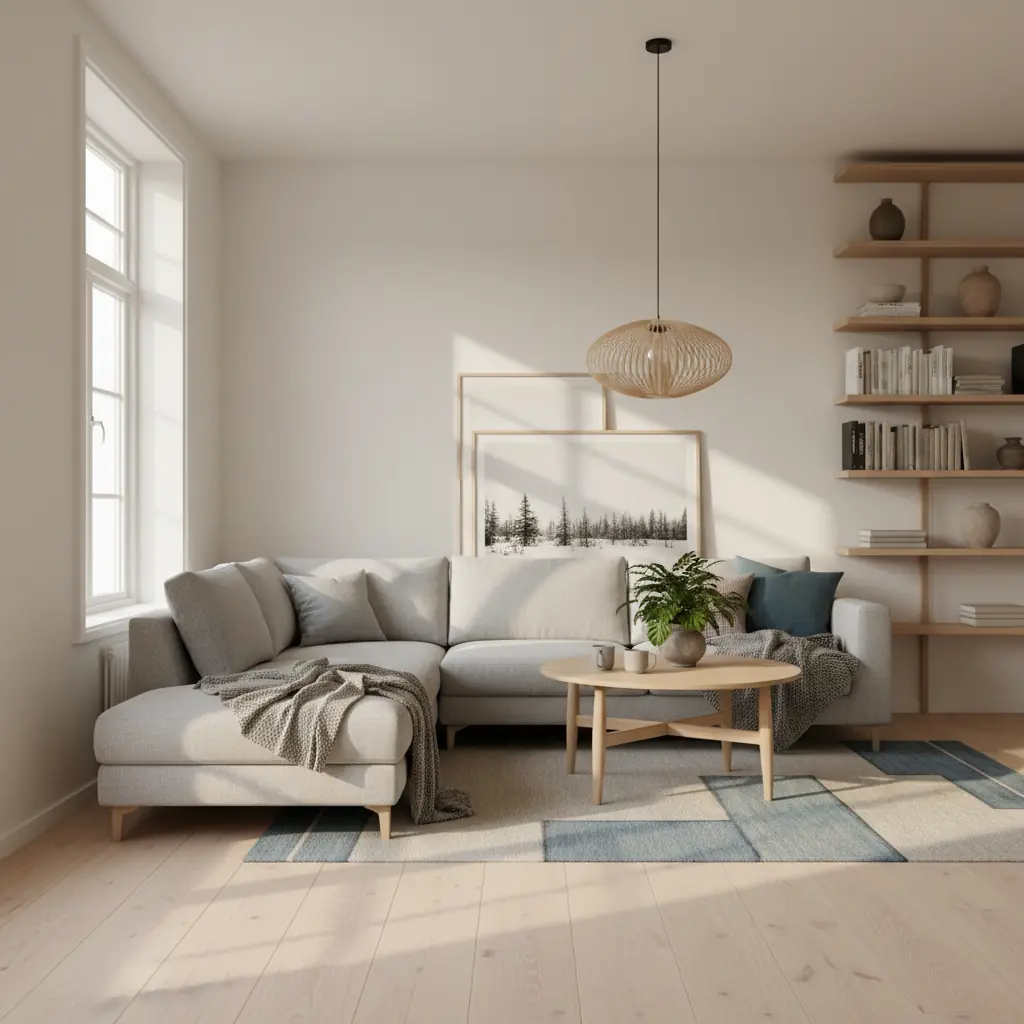
Dois lados da mesma moeda minimalista: Scandinavian vs. Japandi
No cenário em constante evolução do design de interiores, poucos estilos capturaram tanto a imaginação coletiva quanto o Scandinavian e o Japandi. Ambos personificam o desejo moderno por simplicidade, funcionalidade e uma conexão mais profunda com a natureza e o viver intencional. São mais do que apenas escolhas estéticas; representam uma filosofia de vida que valoriza clareza, calma e bem-estar.
À primeira vista, suas semelhanças são marcantes: linhas limpas, espaços despojados e uma ênfase em materiais naturais. Este compromisso compartilhado com o minimalismo frequentemente leva à confusão, tornando desafiador discernir qual estilo realmente se alinha com a sua visão pessoal para um lar tranquilo. No entanto, sob esta semelhança superficial, residem diferenças distintas em suas filosofias subjacentes, paletas de cores, seleção de materiais e impacto atmosférico geral.
Compreender essas distinções sutis é crucial. Não se trata apenas de escolher um estilo de decoração; trata-se de criar um ambiente que realmente ressoe com a paisagem emocional desejada. Você busca brilho otimista e calor acolhedor, ou uma serenidade profunda e introspecção? Sua escolha entre Scandinavian e Japandi moldará como seu espaço se sente, funciona e, finalmente, como ele apoia sua vida diária.
Decifrando a Tonalidade: Quais as diferenças de cor entre o design Scandinavian e Japandi?
A diferença mais imediata e marcante entre o design Scandinavian e Japandi reside em sua abordagem à cor e à luz. Ambos os estilos apreciam a iluminação natural, mas a manipulam de maneiras fundamentalmente diferentes para alcançar humores distintos.
### Scandinavian: O Brilho do Céu Nórdico
O design Scandinavian é sinônimo de espaços claros e arejados. Sua paleta é uma resposta direta aos longos e escuros invernos dos países nórdicos, visando maximizar cada raio de luz natural. Pense em uma mistura otimista de brancos nítidos, cinzas suaves e pastéis suaves como azuis claros, verdes-menta e rosa empoeirado. Essas cores refletem a luz pelo ambiente, fazendo com que os espaços pareçam maiores, mais abertos e revigorantes.
Tons de madeira clara, como bétula, freixo e carvalho claro, são fundamentais, contribuindo com calor sem escurecer a estética geral. Têxteis frequentemente introduzem padrões sutis ou texturas delicadas em tonalidades claras semelhantes, reforçando a sensação de calma e brilho expansivo. A impressão geral é de alegria sem esforço, uma tela limpa que convida à positividade e ao conforto – uma manifestação direta do conceito "hygge".
### Japandi: A Profundidade da Terra e da Sombra
O Japandi, por outro lado, abraça um esquema de cores mais sóbrio e contemplativo. Embora ainda minimalista, ele se inclina para tons mais profundos, ricos e frequentemente mais monocromáticos. Inspirado na estética tradicional japonesa, incorpora neutros terrosos: carvões quentes, marrons ricos, verdes-floresta profundos, terracota suave e off-whites sofisticados. Essas cores criam uma atmosfera mais íntima e serena, incentivando a introspecção e a contemplação silenciosa.
O contraste é usado intencionalmente, mas de forma sutil. Tons de madeira mais escura como nogueira, teca ou carvalho tingido são predominantes, frequentemente combinados com brancos cremosos ou cinzas suaves para definir espaços sem rupturas bruscas. A inclusão do preto como cor de destaque é comum, usado com moderação para profundidade e definição em estruturas de móveis, arte ou objetos decorativos. Este uso deliberado de sombra e profundidade está enraizado na filosofia japonesa de _yin e yang_, reconhecendo que a verdadeira beleza muitas vezes surge da interação entre luz e escuridão. Ele cultiva uma atmosfera que parece profundamente enraizada, serena e intencionalmente suave.
Que materiais e texturas definem cada estilo minimalista?
Tanto o Scandinavian quanto o Japandi celebram a beleza dos materiais naturais, mas suas escolhas e a forma como os exibem divergem significativamente, refletindo suas influências culturais e filosofias únicas. Esta diferença na seleção e acabamento dos materiais impacta profundamente a experiência tátil e visual de um espaço.
### Scandinavian: Suavidade, Uniformidade e Funcionalidade
O design Scandinavian prioriza a funcionalidade, durabilidade e acessibilidade, frequentemente manifestando-se em materiais que são robustos e esteticamente limpos.
- **Madeiras:** Madeiras de cor clara são o rei. Bétula, pinho, freixo e carvalho claro são favorecidos por suas tonalidades pálidas e grãos finos. Essas madeiras são tipicamente tratadas para manter um acabamento suave e uniforme, muitas vezes laqueadas, branqueadas ou levemente oleadas para realçar seu brilho natural. - **Têxteis:** Suavidade e conforto são fundamentais. Fibras naturais como lã, algodão e linho são populares, usadas para mantas, almofadas, tapetes e estofamento. As texturas são sutis – pense em tricôs grossos, algodões nítidos ou feltros macios. Os padrões são geralmente formas geométricas simples ou cores sólidas e lisas. - **Outros Materiais:** Vidro, cerâmica (frequentemente lisa, branca ou de cor clara) e às vezes metais polidos (como aço escovado ou cromo) são incorporados por suas linhas limpas e qualidades reflexivas, contribuindo ainda mais para a sensação de brilho e arejamento.
A ênfase está na perfeição da simplicidade e na beleza inerente de materiais de alta qualidade, sem adornos, que são feitos para durar e servir a um propósito prático. Essa preferência por materiais naturais é um grande atrativo para os proprietários; uma pesquisa recente mostrou que **85% dos proprietários priorizam materiais naturais em seu design de interiores** por seus benefícios percebidos para a saúde e estéticos, um valor central para o design Scandinavian.
### Japandi: Abraçando o Wabi-Sabi e a Autenticidade Bruta
O design Japandi eleva o conceito de materiais naturais integrando a filosofia japonesa do _wabi-sabi_ – a apreciação da beleza na imperfeição, transitoriedade e processos naturais. Isso se traduz em uma preferência por materiais com caráter, profundidade e uma história.
- **Madeiras:** Madeiras mais escuras e ricas são preferidas, como nogueira, teca e frequentemente carvalho recuperado ou rústico. Essas madeiras podem apresentar grãos visíveis, nós ou até mesmo ligeiras irregularidades, celebrando seu estado natural. Os acabamentos são tipicamente foscos ou levemente oleados, permitindo que a textura bruta se destaque. - **Têxteis:** Têxteis crus, texturizados e frequentemente feitos em tear manual são centrais. Linho, cânhamo, algodão cru e juta são comuns, muitas vezes em seus estados naturais, não tingidos ou em tons terrosos profundos. Espere ver irregularidades, tecelagens desiguais e uma sensação de artesanato. - **Outros Materiais:** Pedra (especialmente bruta ou não polida), concreto, bambu e cerâmicas feitas à mão com formas orgânicas e esmaltes imperfeitos são frequentemente usados. A beleza reside em sua qualidade tátil, sua conexão com a terra e suas imperfeições únicas que contam uma história de criação e desgaste natural. Metais, se usados, tendem a ser mais escuros, como bronze ou preto fosco.
Essa abordagem se afasta conscientemente da perfeição produzida em massa, favorecendo peças únicas e artesanais que transmitem uma sensação de história e presença. A incorporação de elementos de design biofílico, que enfatiza a conexão dos ocupantes com a natureza, também é uma característica fundamental do Japandi. Você pode explorar isso mais a fundo em nosso [guia de design biofílico](/blog/biophilic-design-guide).
Quais filosofias essenciais impulsionam o design Scandinavian e Japandi?
Além da estética, o verdadeiro coração do Scandinavian e Japandi reside em suas filosofias orientadoras, que influenciam profundamente cada escolha de design e a atmosfera geral de um espaço.
### Filosofia Scandinavian: Hygge, Lagom e design Democrático
O design Scandinavian está profundamente enraizado em princípios que priorizam o bem-estar humano, a comunidade e um estilo de vida equilibrado.
- **Hygge:** Este conceito dinamarquês amplamente reconhecido se traduz em uma sensação de contentamento aconchegante e bem-estar através do desfrute das coisas simples da vida. No design, isso significa criar espaços quentes, convidativos e confortáveis que promovam a conexão e o relaxamento. Iluminação suave, têxteis aconchegantes e assentos confortáveis são essenciais. - **Lagom:** Uma filosofia sueca que significa "na medida certa" – nem muito, nem pouco. Este conceito impulsiona o aspecto minimalista, incentivando o consumo consciente e evitando o excesso. Cada item em uma casa Scandinavian é escolhido por seu propósito e beleza, contribuindo para um ambiente despojado e sereno. - **design Democrático:** Um princípio fundamental que enfatiza o design bonito, funcional e durável que é acessível a todos, não apenas aos ricos. Este compromisso com a qualidade e a longevidade significa que as peças são feitas para durar, frequentemente projetadas com linhas limpas e apelo atemporal, refletindo uma abordagem responsável aos recursos e ao consumo.
A sensação geral em uma casa Scandinavian é de calma otimista, conforto alegre e elegância prática. É um espaço projetado para viver, para a família e para encontrar alegria no dia a dia.
### Filosofia Japandi: Wabi-Sabi, Mono no Aware e Princípios Zen
O design Japandi inspira-se fortemente na antiga estética japonesa e nas práticas espirituais, particularmente no Budismo Zen, cultivando um profundo senso de tranquilidade e conexão com o mundo natural.
- **Wabi-Sabi:** Como mencionado, esta é a pedra angular. Ele celebra a imperfeição, a transitoriedade e a beleza do envelhecimento natural. Trata-se de encontrar graça em rachaduras, apreciar a pátina envelhecida da madeira e valorizar itens feitos à mão com suas irregularidades inerentes. Encoraja a abandonar o desejo pela perfeição impecável e abraçar o caráter autêntico de objetos e espaços. - **Mono no Aware:** Este sutil conceito japonês fala da suave melancolia e apreciação nostálgica pela natureza transitória das coisas. No design, ele se traduz em uma estética que reconhece a passagem do tempo e a beleza da impermanência, frequentemente vista no uso de materiais naturais que envelhecem graciosamente. - **Princípios Zen:** A ênfase no minimalismo, espaços despojados e design proposital é profundamente influenciada pelo Budismo Zen. Ele visa criar ambientes que promovam a atenção plena, a introspecção e uma sensação de ordem pacífica. Os espaços são frequentemente projetados com um forte equilíbrio visual e harmonia, usando o espaço negativo como um elemento de design em si.
Uma casa Japandi exala uma solenidade silenciosa, uma profunda sensação de calma e um convite à presença consciente. É um espaço projetado para a reflexão, para apreciar o artesanato e para encontrar beleza na simplicidade e no ciclo natural da vida.
Móveis e Decoração: Moldando Espaço e Função
A seleção de móveis e elementos decorativos é onde a aplicação prática da filosofia de cada estilo se torna mais aparente, influenciando tanto o apelo visual quanto a funcionalidade de um cômodo.
### Móveis Scandinavian: Forma, Função e Conforto
Os móveis Scandinavian são renomados por suas linhas limpas, formas orgânicas e um compromisso inabalável com a funcionalidade e o conforto. As peças são frequentemente versáteis, leves e projetadas para espaços menores, refletindo uma abordagem pragmática da vida.
- **Silhuetas:** Espere formas elegantes e despojadas com bordas suavemente curvas e pernas afiladas. As influências do mid-century modern são fortes, com designs icônicos que priorizam a ergonomia e a experiência do usuário. - **Materiais:** Madeiras claras (freixo, bétula, carvalho claro) são predominantes, frequentemente combinadas com estofamento simples em fibras naturais como algodão ou lã. Metais são geralmente polidos ou escovados, contribuindo para uma estética limpa. - **Peças Chave:** Sofás são convidativos e frequentemente de perfil baixo, mesas são minimalistas e cadeiras são clássicos ergonomicamente projetados (pense em Eames, Aalto, Wegner). As soluções de armazenamento são integradas e discretas, projetadas para minimizar a desordem. - **Decoração:** A decoração é escassa e proposital. Cerâmicas cuidadosamente escolhidas, vasos de vidro, mantas macias e obras de arte simples adicionam calor e personalidade sem sobrecarregar o espaço. A ênfase é na qualidade em vez da quantidade.
### Móveis Japandi: Perfil Baixo, Artesanato e Essencialismo
Os móveis Japandi compartilham o ethos minimalista, mas se distinguem por uma maior ênfase no artesanato, nas formas robustas e na conexão com a terra. Sua estética frequentemente se inclina para perfis mais baixos, promovendo uma sensação de solidez e calma.
- **Silhuetas:** Embora também com linhas limpas, os móveis Japandi frequentemente apresentam formas mais robustas, às vezes com ângulos mais agudos ou bases mais pesadas. Assentos e camas de perfil baixo são comuns, criando uma conexão mais próxima com o chão e uma sensação de amplitude acima. - **Materiais:** Madeiras mais escuras, muitas vezes recuperadas (nogueira, teca, carvalho escuro) são favorecidas, destacando seu grão e textura naturais. Os têxteis são frequentemente linho cru ou cânhamo, adicionando uma sensação tátil e terrosa. Elementos de pedra ou concreto podem ser incorporados em mesas ou bancos. - **Peças Chave:** As peças de mobiliário são frequentemente substanciais e construídas para durar, com encaixes visíveis e uma sensação artesanal. Camas plataforma de perfil baixo, mesas de jantar de madeira maciça e assentos minimalistas que priorizam o conforto através da forma, em vez de estofamento excessivo, são característicos. O armazenamento é frequentemente oculto ou sutilmente integrado aos móveis, mantendo a serenidade visual. - **Decoração:** A decoração é extremamente seletiva e significativa, frequentemente destacando artesanatos. Cerâmica feita à mão, delicadas tigelas de cerâmica, um único galho em um vaso simples, ou fibras naturais cuidadosamente selecionadas para mantas. Cada item é escolhido por sua beleza intrínseca e capacidade de evocar um momento tranquilo de apreciação, refletindo a estética de [espaços analógicos e cômodos sem tecnologia](/blog/analog-spaces-tech-free-rooms).
Ao considerar móveis, lembre-se de que mobiliar uma sala de estar em um estilo Japandi de alta qualidade pode custar em média **$8.000-$15.000**, refletindo a ênfase em peças artesanais e de qualidade para herança, enquanto uma configuração Scandinavian comparável pode variar de **$6.000-$12.000**, destacando seu design um pouco mais acessível e frequentemente produzido em massa, mas ainda de alta qualidade.
Como a iluminação difere no design Scandinavian vs. Japandi?
A iluminação desempenha um papel crucial, mas distinto, na formação da atmosfera dos interiores Scandinavian e Japandi. Não se trata apenas de iluminação, mas de criar um ambiente e acentuar elementos de design.
### Iluminação Scandinavian: Maximizando e Difundindo a Luz
Dadas as suas origens em regiões com luz do dia limitada, o design Scandinavian é hábil em maximizar e difundir a luz para criar espaços brilhantes, alegres e uniformemente iluminados.
- **Luz Natural:** Grandes janelas, tratamentos de janela mínimos (ou tecidos leves e transparentes) e paredes de cores claras são todos empregados para inundar os cômodos com luz natural. - **Iluminação Artificial em Camadas:** Uma característica marcante do design Scandinavian é a iluminação em camadas. Isso inclui: - **Luz Ambiente:** Frequentemente de luminárias de teto, fornecendo iluminação geral. Essas luminárias são frequentemente declarações de design em si, apresentando formas orgânicas, materiais naturais ou formas minimalistas. - **Iluminação de Tarefa:** Luminárias de chão e de mesa fornecem luz focada para leitura ou trabalho, muitas vezes com cabeças ajustáveis. - **Iluminação de Destaque:** Lâmpadas menores ou velas criam focos de calor e aconchego, contribuindo para a sensação "hygge". - **Qualidade da Luz:** A luz é tipicamente quente, suave e difusa para evitar sombras duras e criar um brilho convidativo. Cúpulas de lâmpadas são frequentemente feitas de materiais naturais ou vidro fosco para suavizar a luz.
### Iluminação Japandi: Poços de Luz e Sombra Propositais
A iluminação Japandi, influenciada pela estética tradicional japonesa, é mais deliberada e escultural, usando a luz para destacar áreas específicas e criar contrastes dramáticos de luz e sombra.
- **Luz Natural:** Embora valorizada, a luz natural pode ser filtrada através de telas de papel de arroz, persianas de bambu ou elementos arquitetônicos cuidadosamente posicionados para criar uma luz mais suave e difusa e padrões de sombra interessantes. - **Iluminação Artificial Mínima:** A iluminação artificial é geralmente mais suave e estrategicamente posicionada. Em vez de uma iluminação geral brilhante, o Japandi favorece a criação de focos de luz propositais. - **Iluminação de Baixo Nível:** Luminárias de chão, de mesa e lanternas de papel japonesas tradicionais (lâmpadas Akari são um exemplo clássico) são comuns, muitas vezes emitindo um brilho suave e quente. - **Acentuação:** A iluminação é usada para destacar características arquitetônicas específicas, uma obra de arte ou uma parede texturizada, em vez de iluminar amplamente todo o cômodo. - **Qualidade da Luz:** A luz é frequentemente mais quente e suave, mas a interação entre luz e sombra é crucial. Cantos mais escuros não são evitados; são abraçados como elementos que contribuem para a atmosfera contemplativa do cômodo. O foco está em criar uma sensação de drama tranquilo e refúgio pacífico.
Qual estilo minimalista é o certo para você? Considerações práticas
Decidir entre Scandinavian e Japandi não é apenas uma questão de preferência estética; trata-se de alinhar seu espaço de vida com seu estilo de vida, necessidades emocionais e até mesmo as condições de luz natural de sua casa.
### Escolha Scandinavian se você deseja:
- **Uma atmosfera otimista, clara e arejada:** Se você anseia por um lar que pareça inspirador, espaçoso e cheio de luz natural, o design Scandinavian é a sua combinação ideal. É perfeito para neutralizar espaços menores ou áreas com luz natural limitada, pois sua paleta ilumina ativamente os cômodos. - **Uma vibe familiar e acolhedora:** As casas Scandinavian são inerentemente convidativas e práticas, projetadas para uma vida confortável e cotidiana. Sua ênfase na durabilidade e facilidade de manutenção a torna adequada para lares movimentados. - **Uma sensação de aconchego alegre (Hygge):** Se a sua definição de conforto envolve texturas macias, iluminação quente e um ambiente relaxado que incentiva reuniões e prazeres simples, o Scandinavian irá satisfazer. - **Versatilidade:** As linhas limpas e a paleta neutra do design Scandinavian o tornam altamente adaptável. Ele combina bem com várias cores e estilos de destaque, permitindo atualizações fáceis ao longo do tempo.
Este estilo funciona excepcionalmente bem em salas de estar projetadas para interação social, cozinhas claras que incentivam a criatividade culinária e quartos de crianças que se beneficiam de um ambiente aberto, estimulante, mas calmo.
### Escolha Japandi se você deseja:
- **Uma profunda sensação de retiro e tranquilidade:** Se o seu objetivo principal é criar um santuário onde você possa realmente relaxar, meditar e encontrar a paz interior, a atmosfera contemplativa do Japandi é incomparável. - **Apreciação pelo artesanato e imperfeição natural:** Se você valoriza itens únicos, feitos à mão, celebra a beleza das texturas brutas e é atraído por objetos com uma história, o Japandi ressoará profundamente. - **Um foco na vida consciente e no essencialismo:** Para aqueles que preferem um espaço altamente curado, onde cada item serve a um propósito e contribui para uma sensação de serenidade, a abordagem disciplinada do Japandi ao minimalismo é ideal. - **Contraste dramático e simplicidade sofisticada:** Se você aprecia a interação de luz e sombra, a riqueza de tons mais escuros e uma elegância mais refinada e discreta, o Japandi oferece uma estética atraente.
O Japandi se destaca em quartos projetados para sono reparador e introspecção, salas de meditação, home offices serenos ou espaços de convivência destinados a noites tranquilas e conexão profunda.
### É possível misturar Scandinavian e Japandi? A Abordagem Híbrida
Absolutamente! A beleza desses dois estilos é sua base minimalista compartilhada, tornando-os excelentes candidatos para uma abordagem híbrida "Scandipandi". Essa fusão permite que você escolha os melhores elementos de cada um para criar um espaço verdadeiramente único que atenda precisamente às suas necessidades.
Por exemplo, você pode adotar as paredes claras e arejadas e o ambiente geral luminoso do design Scandinavian, mas introduzir elementos Japandi como uma mesa de centro de madeira escura e baixa, vasos de cerâmica feitos à mão ou uma manta de linho cru texturizada. Inversamente, um cômodo com uma paleta terrosa inspirada no Japandi pode ser iluminado com alguns detalhes de madeira clara, um tapete Scandinavian macio ou uma peça marcante de iluminação nórdica moderna.
A chave para uma mistura bem-sucedida é manter o equilíbrio e a intenção. Evite sobrecarregar o espaço com muitos elementos concorrentes. Em vez disso, deixe um estilo ser dominante enquanto o outro fornece detalhes cuidadosos. O objetivo geral permanece o minimalismo, a beleza natural e a vida intencional, apenas adaptados ao seu gosto pessoal.
Não importa qual estilo ou mistura você esteja inclinado, visualizar essas mudanças em seu espaço real é inestimável. Ferramentas como o Habitas permitem que você carregue uma foto do seu cômodo e gere variantes de design nos estilos Scandinavian e Japandi em segundos. Essa visualização rápida, que leva apenas alguns instantes em comparação com as **2-4 semanas** que um designer tradicional pode levar para renders conceituais, permite que você escolha com confiança a estética que realmente se parece com o seu lar. Você pode até experimentar diferentes [designs de cômodos gerados por IA para ver o quão realistas eles são](/blog/ai-generated-room-designs-realistic) antes de se comprometer com quaisquer mudanças.
Em última análise, o melhor estilo é aquele que lhe traz mais alegria e atende às suas necessidades diárias. Tanto o Scandinavian quanto o Japandi oferecem um caminho para um lar mais sereno e intencional, cada um com seu sabor único. A decisão é sua, guiada pela sua intuição e pelas poderosas ferramentas de visualização à sua disposição.
Perguntas Frequentes
### Quais são as principais diferenças entre as estéticas Scandinavian e Japandi?
As principais diferenças residem em sua abordagem à cor, materiais e humor geral. O design Scandinavian favorece espaços claros, brilhantes e arejados, com foco em brancos, madeiras claras e pastéis suaves, visando uma sensação otimista e aconchegante (Hygge). O Japandi, embora também minimalista, usa uma paleta mais profunda e sóbria de tons terrosos, madeiras mais escuras e celebra as imperfeições naturais (Wabi-Sabi), criando uma atmosfera contemplativa e serena com uso intencional da sombra.
### Posso combinar os estilos Scandinavian e Japandi na minha casa?
Sim, absolutamente! Muitos designers defendem uma abordagem "Scandipandi", misturando elementos de ambos os estilos. Seus princípios minimalistas compartilhados, ênfase em materiais naturais e funcionalidade os tornam altamente compatíveis. Você pode começar com uma base Scandinavian (paredes claras, móveis funcionais) e introduzir toques Japandi (peças de madeira mais escuras, cerâmicas texturizadas, móveis de perfil baixo) para adicionar profundidade e calor, criando uma estética equilibrada e única.
### Quais são os materiais comuns usados no design Japandi que diferem do Scandinavian?
Enquanto ambos usam materiais naturais, o Japandi frequentemente incorpora madeiras mais escuras e ricas, como nogueira, teca ou carvalho recuperado, muitas vezes com acabamentos foscos ou crus que destacam o grão e as imperfeições naturais. Também favorece têxteis altamente texturizados como linho cru ou cânhamo, pedra bruta, concreto e cerâmicas feitas à mão com formas orgânicas e imperfeitas, tudo celebrando a filosofia do _wabi-sabi_. O Scandinavian, em contraste, prefere madeiras mais claras (bétula, pinho, carvalho claro) com acabamentos suaves e uniformes e têxteis mais macios, frequentemente uniformes.
### Como Scandinavian e Japandi abordam a desorganização e a organização?
Ambos os estilos são inerentemente minimalistas e enfatizam espaços despojados, mas com nuances ligeiramente diferentes. O design Scandinavian consegue isso através de móveis altamente funcionais com armazenamento integrado e uma abordagem "menos é mais" que prioriza objetos essenciais e bonitos. O Japandi leva isso um passo adiante, abraçando uma filosofia de essencialismo onde cada item é profundamente significativo e cuidadosamente curado, frequentemente apresentando armazenamento oculto e uma tranquilidade visual que se estende ao espaço negativo, incentivando uma profunda sensação de ordem e calma.
### Um estilo é mais caro de ser alcançado do que o outro?
O custo pode variar muito dependendo da qualidade do material e das escolhas do designer. Geralmente, ambos os estilos priorizam qualidade e artesanato. No entanto, o design Japandi, com sua forte ênfase em peças artesanais, materiais recuperados e móveis de perfil baixo feitos sob medida, pode às vezes tender a um investimento ligeiramente maior, particularmente para itens únicos e exclusivos. O design Scandinavian oferece uma gama mais ampla de peças acessíveis, de alta qualidade e produzidas em massa, o que pode, às vezes, torná-lo mais econômico para alcançar um visual coeso sem sacrificar a qualidade. Por exemplo, mobiliar uma sala de estar em um estilo Japandi de alta qualidade pode custar em média **$8.000-$15.000**, enquanto uma configuração Scandinavian comparável pode variar de **$6.000-$12.000**.