Abrace a Imperfeição: Seu Guia para o design de Interiores Wabi-Sabi
Entenda a filosofia de design wabi-sabi e como aplicar seus princípios de imperfeição, envelhecimento natural e materiais honestos para criar interiores profundamente serenos.
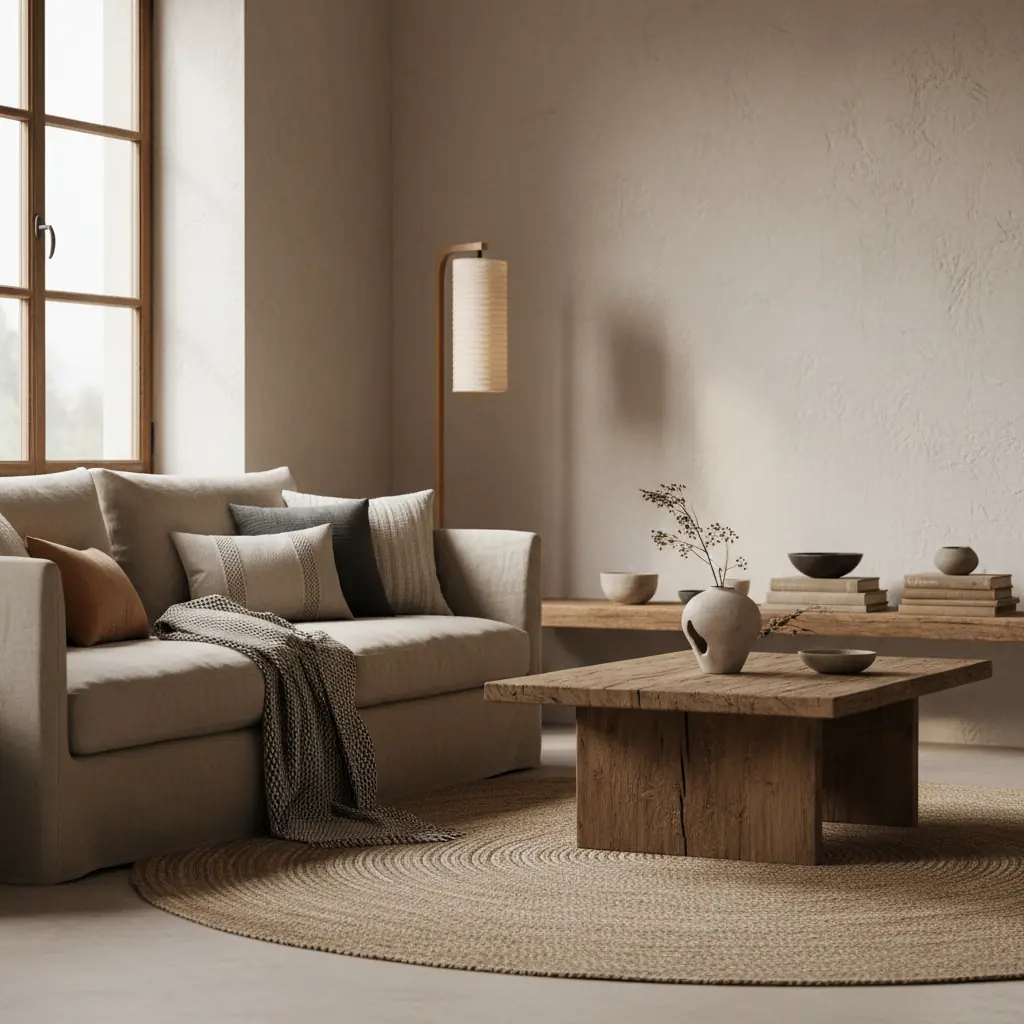
Qual é a filosofia central por trás do design Wabi-Sabi?
Wabi-sabi é mais do que apenas uma estética; é uma profunda filosofia japonesa enraizada em três conceitos budistas centrais: _wabi_ (transitoriedade, simplicidade rústica, quietude), _sabi_ (beleza que vem com a idade, o desgaste e a progressão natural), e a compreensão abrangente de que nada dura, nada está acabado e nada é perfeito. No contexto do design de interiores, isso se traduz em uma profunda apreciação por materiais que envelhecem com graça, superfícies que contam uma história através do desgaste, objetos que carregam as marcas únicas de sua criação e espaços que parecem intimamente humanos em vez de produzidos em massa.
Isso não é meramente uma tendência passageira de decoração; é uma visão de mundo conscientemente aplicada aos nossos ambientes de vida. Uma casa wabi-sabi não busca a perfeição polida e muitas vezes estéril vista em uma revista de luxo. Em vez disso, ela aspira à beleza tranquila e despretensiosa de uma xícara de cerâmica bem amada, à suavidade reconfortante de uma toalha de mesa de linho amaciada por anos de lavagem, ou a um piso de madeira profundamente marcado com as histórias da família que o pisa. Compreender os fundamentos filosóficos é primordial antes de tentar aplicar os princípios wabi-sabi, pois o verdadeiro wabi-sabi não pode ser comprado ou replicado instantaneamente — ele deve ser cultivado ao longo do tempo, abraçado através de uma vida consciente e visto no caráter honesto de objetos e espaços. Ele nos pede para desacelerar, observar e encontrar beleza no transitório, no imperfeito e no autêntico.
Wabi-Sabi vs. Minimalismo: Qual a Diferença?
Wabi-sabi é frequentemente, e erroneamente, confundido com o minimalismo, mas as duas filosofias divergem significativamente em seus princípios centrais e resultados estéticos. O minimalismo, em sua essência, é sobre redução: menos objetos, linhas mais limpas, uma abundância de espaço vazio e uma tendência à precisão, uniformidade e uma clareza visual fria, muitas vezes austera. Ele visa uma curadoria deliberada e remoção para destacar formas essenciais.
Wabi-sabi, ao contrário, não é sobre ter menos por ter. É sobre ter objetos que possuem honestidade intrínseca, que exibem abertamente sua natureza e que evoluem lindamente ao longo do tempo. Embora um espaço wabi-sabi possa parecer simples, não é devido a um mandato de redução, mas sim a uma preferência por qualidade, autenticidade e peças com alma.
Considere a seguinte comparação: Um ambiente minimalista pode apresentar uma parede branca perfeitamente lisa e imaculada, uma mesa de aço usinado com bordas impecáveis e um único vaso geometricamente perfeito. Um ambiente wabi-sabi, por outro lado, pode abraçar uma parede de gesso com marcas visíveis de desempenadeira e sutis variações tonais, uma mesa de madeira esculpida à mão exibindo seus nós naturais e grãos intrincados, e uma tigela de cerâmica assimétrica criada por um artesão local, com um esmalte irregular e leves instabilidades. Ambos os ambientes podem conter um número semelhante de objetos, mas a qualidade da atenção, a experiência tátil e a conexão emocional subjacente são totalmente diferentes. O minimalismo frequentemente _edita_ para alcançar a perfeição; wabi-sabi _aceita_ e celebra a imperfeição como parte inerente da beleza. Essa distinção crucial altera o que você busca ao selecionar materiais, móveis e objetos decorativos. Você não está procurando a opção mais minimalista; você está buscando a mais genuína e cheia de alma.
Quais são os materiais essenciais para uma casa Wabi-Sabi?
O cerne do design wabi-sabi reside em sua reverência por materiais naturais e honestos que revelam abertamente seu processo e melhoram com a idade. Estes não são apenas elementos; são personagens na história de sua casa, desenvolvendo uma pátina única e aprofundando sua beleza ao longo do tempo.
### Cerâmicas e Olaria Cruas
Cerâmicas cruas e sem esmalte são a quintessência do wabi-sabi. Elas exibem a textura pura da argila, as sutis impressões das mãos do artesão e as variações orgânicas que ocorrem durante a queima. Cada peça é única, frequentemente apresentando pequenas imperfeições, formas assimétricas ou um acabamento irregular que adiciona caráter. Cerâmicas de alta qualidade, feitas por artesãos, ou móveis de linho natural podem representar um investimento significativo, com um vaso de cerâmica feito à mão custando entre US$ 50 e US$ 500, mas sua beleza duradoura e sua história são inestimáveis. Estes são objetos feitos para serem usados, não apenas admirados, acolhendo pequenas lascas ou rachaduras como parte de sua narrativa em evolução.
### Madeira Não Acabada ou Patinada
A madeira é outra pedra angular, especialmente quando não é acabada, é levemente oleada ou recuperada. O objetivo é deixar a beleza inerente da madeira transparecer — seu grão, nós e variações naturais de cor. Com o tempo, a madeira não acabada desenvolve uma pátina rica; ela escurece onde as mãos a tocam frequentemente e pode clarear onde a luz solar incide consistentemente. A madeira de demolição, recuperada de antigos celeiros ou estruturas, é particularmente valorizada por sua história visível, imperfeições e caráter profundo. Essa abordagem se alinha com os princípios de sustentabilidade, já que relatórios indicam que até 60% do lixo doméstico provém de móveis e têxteis descartados, destacando o valor de escolher peças duráveis e atemporais que ganham caráter em vez de se degradarem.
### Têxteis Naturais
Fibras naturais como linho, cânhamo, algodão e lã são essenciais por suas qualidades táteis e pela forma como envelhecem. O linho, em particular, é adorado por suas belas rugas e sua maciez crescente a cada lavagem. Esses têxteis devem estar em seus estados naturais, não branqueados ou minimamente tingidos, permitindo que sua textura crua e suas sutis variações de cor falem por si mesmas. Eles convidam ao toque e proporcionam uma sensação de conforto e autenticidade.
### Pedra e Gesso
Para superfícies como bancadas, pisos ou paredes, pedra natural (como esteatita, travertino ou mármore não polido) ou gesso de cal são ideais. A esteatita, por exemplo, é conhecida por desenvolver uma magnífica pátina ao longo de anos de uso, mostrando marcas e um sutil escurecimento que realçam seu caráter em vez de diminuí-lo. Tintas de cal ou minerais para paredes criam um acabamento suave e fosco com variações tonais naturais, evitando a aparência plana e uniforme das tintas látex padrão. Esses materiais criam uma sensação de enraizamento e atemporalidade.
### Metais Forjados à Mão
Metais, se usados, devem ser modestos e carregar as marcas de sua criação. Ferro forjado à mão ou latão envelhecido, com suas sutis irregularidades e acabamentos em evolução, são preferidos em relação ao cromo ou aço inoxidável altamente polidos e perfeitamente usinados. A leve irregularidade de uma superfície martelada ou a pátina em evolução do latão adiciona autenticidade.
A chave em todos esses materiais é a durabilidade, a honestidade e a capacidade de envelhecer com graça. Imperfeições não são defeitos a serem escondidos ou substituídos; são evidências de uma vida vivida, de um objeto sendo usado e de uma história se desenrolando.
Descobrindo a Paleta de Cores Wabi-Sabi: Tons Terrosos Suaves
A paleta de cores wabi-sabi é inteiramente extraída da natureza em seus estados mais suaves, desgastados e orgânicos. Não são cores selecionadas de um catálogo de tintas vibrantes; são os tons que surgem quando os materiais naturais são deixados para serem eles mesmos. O efeito geral é profundamente calmante, criando uma quietude visual que permite que texturas, formas e o caráter sutil dos objetos ocupem o centro do palco. Estudos mostram que incorporar elementos e cores naturais em espaços de vida pode reduzir os níveis de estresse em até 15% e melhorar a função cognitiva, tornando o wabi-sabi uma escolha ideal para criar um santuário tranquilo.
Pense em:
- **Cinzas Quentes:** A cor de pedras de rio, concreto ou gesso envelhecido. - **Marrons Suaves:** Da terra seca, madeira natural e linho não branqueado. - **Argila e Terracota:** Tons de cerâmica, ligeiramente dessaturados. - **Pedra e Areia:** Brancos claros, naturais, arenosos e beges suaves. - **Musgo Seco e Verde Sálvia:** Verdes sutis e dessaturados encontrados na natureza. - **Carvão e Preto Suave:** A profundidade de metal envelhecido ou rocha vulcânica, usado com moderação como acentos. - **Brancos Não Branqueados e Off-Whites:** Nunca brancos puros ou clínicos, sempre com um subtom quente e sutil, muitas vezes capturando lindamente a luz ambiente.
Crucialmente, evite qualquer coisa brilhante, altamente saturada ou abertamente sintética. Isso significa nada de cores primárias, nada de acabamentos de alto brilho e nada de branco puro e marcante que pareça fabricado. Mesmo os tons mais claros em uma paleta wabi-sabi possuem um calor natural e uma leve variação, o que contribui para a sensação orgânica. Se você estiver pintando paredes, procure opções de cal ou tinta mineral. Essas tintas tradicionais são celebradas por criar variação tonal natural e um belo acabamento fosco e gessado que interage com a luz de uma forma suave e nuanceada, muito distante da uniformidade plana das tintas látex padrão. Com uma plataforma de IA como a Habitas, você pode experimentar várias texturas e tons terrosos, visualizando como cerâmicas sem esmalte ou linho natural ficariam em seu espaço real antes de fazer uma compra. Ferramentas como um [gerador de paleta de cores AI](/blog/ai-color-palette-generator) podem ajudar você a explorar essas combinações suaves e naturais.
Aplicando os Princípios Wabi-Sabi, Cômodo por Cômodo
Integrar o wabi-sabi em sua home é sobre cultivar uma atmosfera, não apenas decorar. Veja como aplicar esses princípios em seus espaços de convivência:
### Sala de Estar: Conforto na Autenticidade
Na sala de estar, priorize o conforto e as formas naturais. Escolha um sofá com capas de linho natural que aceitem as rugas com graça, talvez em um tom de aveia ou cinza suave. Uma mesa de centro de madeira esculpida à mão com veios visíveis e sutis imperfeições torna-se um ponto focal, contando uma história através de sua própria existência. Em vez de conjuntos combinando, use vasos de cerâmica individuais — cada um coletado ao longo do tempo, talvez de diferentes artesãos — como elementos decorativos primários. Um único galho delicadamente curvo em um vaso terroso pode fazer uma declaração profunda. A iluminação deve ser quente, baixa e difusa, utilizando abajures de linho ou papel para lançar um brilho suave e ambiente, em vez de luz dura e direta. Evite tecidos sintéticos, superfícies excessivamente brilhantes e desordem excessiva. Lembre-se, uma pesquisa recente mostrou que 78% dos proprietários de imóveis buscam mais calma e serenidade em seus ambientes de vida, um sentimento perfeitamente encapsulado pelo wabi-sabi.
### Quarto: Um Santuário de Simplicidade
O quarto wabi-sabi é um verdadeiro santuário. A cama em si deve ser simples: uma estrutura de madeira de perfil baixo, idealmente recuperada ou levemente acabada, que ancora o espaço. Roupas de cama de linho em tons suaves como aveia, cinza claro ou branco não branqueado são essenciais por seu conforto tátil e beleza envelhecida. Minimize os acessórios; um único galho escultural em um vaso de cerâmica sobre uma mesa de cabeceira diz muito mais do que uma infinidade de objetos decorativos. A luz natural deve ser priorizada, talvez suavizada por cortinas de linho translúcido. Concentre-se nas texturas cruas de um tapete de pele de carneiro no chão ou uma manta de lã tecida na cama. Para mais ideias sobre como se conectar com a natureza em casa, explore nosso [guia de design biofílico](/blog/biophilic-design-guide).
### Cozinha e Área de Jantar: A Função Encontra a Forma
Na cozinha, o wabi-sabi celebra a utilidade e a beleza dos objetos cotidianos. Prateleiras abertas exibem cerâmicas do dia a dia, utensílios de madeira e vidraria soprada à mão, permitindo que suas formas e materiais sejam apreciados. Bancadas em esteatita natural ou madeira recuperada desenvolverão uma pátina única ao longo do tempo, cada arranhão e marca adicionando ao seu caráter. Uma grande mesa de jantar esculpida à mão torna-se o coração do home, convidando à reunião e exibindo as marcas de inúmeras refeições compartilhadas. Evite armários elegantes e produzidos em massa; opte por acabamentos simples de madeira sem adornos ou gesso natural. A beleza aqui vem diretamente dos próprios objetos — sua forma honesta, material e evidência de uso — não de como são meticulosamente arranjados ou escondidos.
### Banheiro: Refúgio Terroso
Para banheiros, considere uma pia de cuba de pedra natural, um banquinho de madeira simples para toalhas e saboneteiras de cerâmica feitas à mão. Opte por azulejos não polidos ou paredes lavadas com cal para manter a estética suave e tátil. Armazenamento minimalista, mas autêntico, mantém a desordem afastada sem recorrer a soluções excessivamente elegantes. O princípio permanece consistente: cada objeto deve ser honesto sobre seu material e propósito, e o espaço geral deve evocar uma sensação de calma, em vez de ser excessivamente curado ou ostentoso. Incorporar até mesmo uma única [melhor planta para design de interiores](/blog/best-plants-for-interior-design) pode elevar essa sensação natural.
Além dos Objetos: Luz, Espaço e Conexão
Wabi-sabi se estende além das escolhas de materiais; ele considera profundamente a qualidade da luz e o uso deliberado do espaço negativo. A luz natural é primordial, idealmente entrando por janelas sem adornos ou suavizada por um linho simples e transparente. Sombras não são falhas, mas parte integrante da experiência visual, adicionando profundidade e uma sensação de passagem do tempo. O espaço negativo não é vazio; é considerado e proposital, permitindo que os poucos objetos escolhidos respirem e chamem a atenção. Ele promove uma sensação de quietude e contemplação. Essa abordagem frequentemente leva à criação de [espaços analógicos](/blog/analog-spaces-tech-free-rooms) onde o foco está na presença e nas texturas do mundo real.
Por que o design Wabi-Sabi é Mais Relevante do que Nunca em 2026
Em uma cultura cada vez mais definida pela perfeição digital — fotos filtradas, imagens geradas por IA, curadoria algorítmica e a busca implacável pela impecabilidade — o wabi-sabi oferece um contraponto profundo e necessário. O imperfeito, o feito à mão e o autenticamente envelhecido tornaram-se verdadeiros luxos precisamente porque são raros e oferecem um antídoto fundamental para nossas vidas hiperdigitais. Uma caneca de cerâmica feita à mão em um mundo de produtos perfeitos de máquina carrega um significado que transcende sua função; ela incorpora artesanato, história e um toque humano.
O design wabi-sabi também se alinha inerentemente com os valores emergentes de sustentabilidade e consumo consciente. Escolher materiais que envelhecem com graça significa substituir menos, reduzir o desperdício e diminuir nossa pegada ambiental. Valorizar a pátina significa que não descartamos itens apenas porque mostram desgaste; em vez disso, valorizamos as histórias que essas marcas contam. Apreciar o artesanato significa apoiar artesãos individuais e pequenas empresas em vez da produção em massa, promovendo uma conexão mais profunda com os itens que trazemos para nossos lares.
Além disso, em uma era de estimulação constante e consumo excessivo, a tranquilidade e as qualidades meditativas de um espaço wabi-sabi oferecem um respiro muito necessário. Ele nos encoraja a encontrar beleza na simplicidade, a abraçar o ciclo natural de decadência e renovação e a cultivar um senso de gratidão pelo momento presente. Embora ferramentas como Habitas possam ajudar você a visualizar como esses princípios se traduzem em seus cômodos específicos, usando recursos como [designs de ambientes gerados por IA realistas](/blog/ai-generated-room-designs-realistic), o trabalho mais profundo do wabi-sabi é uma prática pessoal — aprender a ver a beleza profunda onde muitas vezes fomos ensinados a ver falhas. Visualizar um conceito de ambiente wabi-sabi com uma ferramenta de IA como Habitas pode levar apenas alguns minutos, em comparação com as horas ou até dias necessários para mood boards tradicionais ou consultas com designers, tornando a jornada para um lar mais sereno surpreendentemente acessível.
Perguntas Frequentes
### O design wabi-sabi é caro para implementar?
Embora o wabi-sabi enfatize materiais naturais, de alta qualidade e muitas vezes feitos por artesãos, ele não precisa ser necessariamente caro. A filosofia valoriza a autenticidade e a história de um objeto em vez de seu preço de novo. Você pode investir mais em algumas peças chave, como uma mesa de madeira esculpida à mão ou um sofá de linho natural, mas equilibrar isso com achados acessíveis em mercados de pulgas, antiquários ou até mesmo reaproveitando itens existentes. O foco é na qualidade e no caráter, não na quantidade ou em rótulos de luxo. Abraçar projetos DIY, como paredes lavadas com cal ou criar suas próprias peças de cerâmica, também pode reduzir custos enquanto aumenta a autenticidade.
### O wabi-sabi pode funcionar em uma casa moderna ou contemporânea?
Com certeza. Wabi-sabi é uma filosofia, não um estilo rigoroso. Seus princípios de materiais naturais, cores suaves e apreciação pela imperfeição podem temperar lindamente a elegância da arquitetura moderna. Introduzir um elemento de madeira recuperada, uma peça de cerâmica de textura áspera ou um têxtil de linho pode adicionar calor, alma e uma sensação de enraizamento a um espaço minimalista ou contemporâneo. O contraste entre as linhas limpas modernas e as formas orgânicas do wabi-sabi pode criar um ambiente visualmente dinâmico e profundamente convidativo. Trata-se de encontrar harmonia, não de aderir estritamente a uma única estética.
### Qual a melhor forma de começar a decorar no estilo wabi-sabi?
A melhor forma de começar é desordenando com intenção, mantendo apenas itens que possuem significado ou beleza honesta. Em seguida, concentre-se em sua paleta de materiais: troque têxteis sintéticos por linho ou lã natural, introduza algumas peças de cerâmica feitas à mão e procure móveis feitos de madeira não acabada ou recuperada. Comece com uma paleta de cores neutras e terrosas para suas paredes. Priorize a luz natural e mantenha os tratamentos de janela simples. Em vez de comprar muitos itens novos, concentre-se em adquirir uma ou duas peças verdadeiramente autênticas que ressoem com você, e permita que o espaço evolua organicamente. Lembre-se, o wabi-sabi é cultivado, não criado instantaneamente.
### Como o wabi-sabi difere do design Japandi?
Embora ambos os estilos se inspirem na estética japonesa e compartilhem pontos em comum (materiais naturais, simplicidade, paletas suaves), Japandi é uma fusão. Ele combina o calor rústico e imperfeito do wabi-sabi com as linhas limpas, a funcionalidade e, às vezes, o minimalismo mais frio do design Scandinavian. O Japandi frequentemente tem uma sensação mais refinada e polida do que o puro wabi-sabi, que se inclina mais para o cru, sem adornos e visivelmente envelhecido. O Japandi pode abraçar junções elegantes e artesanato preciso ao lado de texturas naturais, enquanto o wabi-sabi celebra imperfeições visíveis e formas orgânicas de forma mais aberta.
### O wabi-sabi significa que minha home tem que parecer 'velha' ou desgastada?
De forma alguma. Embora o wabi-sabi celebre o envelhecimento natural e a pátina, isso não significa intencionalmente desgastar itens para fazê-los parecer velhos. Trata-se de apreciar a progressão natural dos materiais e as marcas genuínas de uso, em vez de fabricar uma aparência envelhecida. Uma tigela de cerâmica nova, feita à mão, que mostra a marca do artesão é wabi-sabi, mesmo que seja nova em folha. Uma mesa de madeira levemente oleada que desenvolve uma rica pátina ao longo de décadas de refeições em família é wabi-sabi. É sobre honestidade e autenticidade, permitindo que os materiais expressem sua verdadeira natureza em vez de forçar um visual "envelhecido" artificial.